
Quick Medical Summary: Acute pediatric nausea and vomiting stem primarily from viral gastroenteritis, acute otitis media, foodborne pathogens, or motion sickness. Because infants and young children have higher metabolic rates and fluid turnover, dehydration develops rapidly. First-line clinical management prioritizes the “sips-and-wait” fractional oral rehydration solution (ORS) protocol (5 mL every 5–10 minutes) rather than OTC antiemetics, alongside gentle evidence-based therapies including P6 acupressure and weak ginger or chamomile teas. Seek immediate emergency pediatric care for red flags: bilious (green) vomiting, projectile vomiting in infants under 3 months, sunken fontanelles with absent tears, lethargy, or progressive lower right abdominal pain indicative of acute appendicitis.
Few parenting experiences are as distressing as watching your young child battle sudden nausea and vomiting. Whether triggered by a viral stomach bug circulating at school, motion sickness on a road trip, food sensitivity, or emotional anxiety before an exam, an upset tummy leaves children miserable and parents desperate for safe, immediate comfort.
When an adult feels queasy, reaching for over-the-counter antiemetics is second nature. However, the pediatric gastrointestinal tract and developing nervous system require vastly different care. Many adult medications are contraindicated in children, carry risks of unwanted sedation, or mask critical signs of dehydration.
Evidence-based pediatric medicine emphasizes a supportive approach: protecting hydration, easing intestinal spasms, calming the central vomiting reflex, and providing emotional comfort. Below is an authoritative clinical guide exploring safe natural remedies, oral rehydration science, modern nutrition guidelines, and the vital red-flag symptoms that demand prompt medical care.

Emergency Triaging: Red-Flag Symptoms Every Parent Must Know
Before preparing any herbal tea or home remedy, your primary responsibility is clinical triaging. Most pediatric nausea stems from self-limiting acute viral gastroenteritis (rotavirus or norovirus). However, vomiting can also signal surgical emergencies, increased intracranial pressure, or severe bacterial infections.
Seek immediate emergency medical care (call 911 or visit the pediatric emergency department) if your child displays any of the following critical red flags:
- Signs of Severe Dehydration: No wet diapers or urination for over 6 to 8 hours, absence of tears when crying, dry, cracked lips and sticky tongue, sunken eyes, a sunken fontanelle in infants under 18 months, or marked lethargy and unresponsiveness.
- Bilious or Bloody Emesis: Vomit that is neon green or dark green (indicating bile from an intestinal obstruction) or vomit containing bright red blood or dark “coffee-ground” granular matter.
- Severe, Localized Abdominal Pain: Extreme abdominal tenderness, pain that causes the child to double over, or pain migrating from the navel to the lower right abdomen (a hallmark sign of acute appendicitis).
- Post-Traumatic Vomiting: Nausea or repetitive vomiting developing after a fall or head impact (indicating potential concussion or intracranial hemorrhage).
- Neurological Red Flags: Stiff neck, extreme photophobia (pain from bright light), high fever accompanied by a non-blanching purple rash, confusion, or seizures.
- Projectile Vomiting in Newborns: Forceful, projectile vomiting in infants under 12 weeks after every feed, suggesting hypertrophic pyloric stenosis.
The Infant Honey Warning: Never give honey—raw, pasteurized, or baked—to any infant under 12 months. Honey can contain dormant spores of Clostridium botulinum, which can germinate in an infant’s immature digestive tract and cause life-threatening infant botulism paralysis.
The Physiology of Pediatric Nausea: Why Kids Dehydrate Rapidly
Nausea is a complex neurobiological defense mechanism coordinated by the brain’s Chemoreceptor Trigger Zone (CTZ) in the area postrema of the brainstem. Lacking a complete blood-brain barrier, the CTZ samples circulating toxins and inflammatory cytokines directly from the bloodstream.
When gut cells encounter viral pathogens, enterochromaffin cells in the intestinal lining release large surges of serotonin (5-HT). This serotonin binds to 5-HT3 receptors on the vagus nerve, firing rapid signals to the brainstem to induce subjective nausea and retrograde gastrointestinal contractions.
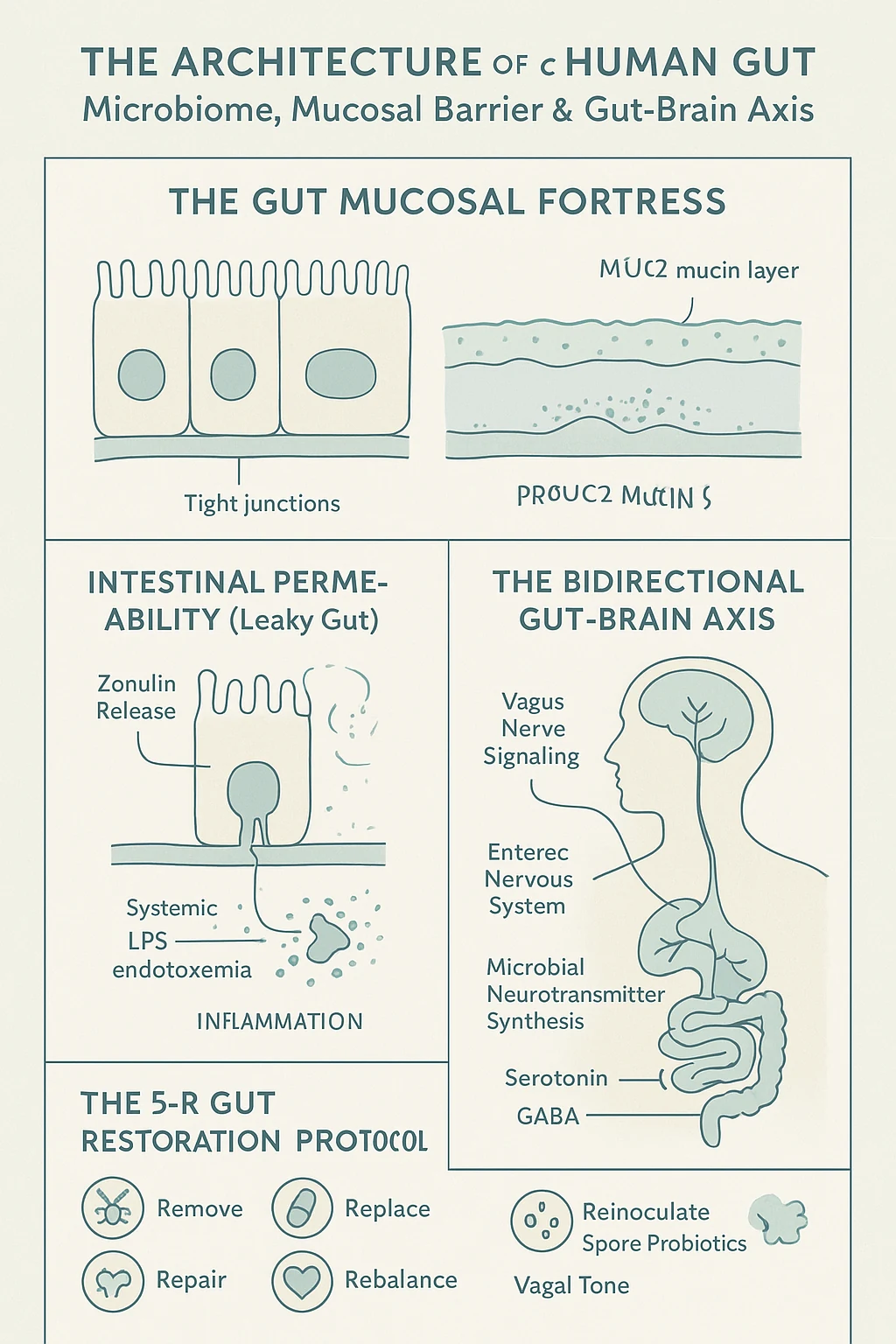
Children dehydrate much faster than adults during an illness due to three biological factors:
- Higher Water Turnover: Infants and young children consist of up to 70–75% body water and lose fluids rapidly through fever, rapid breathing, and emesis.
- Immature Renal Conservation: Pediatric kidneys cannot concentrate urine or conserve sodium and potassium as efficiently as mature adult kidneys during fluid loss.
- Reactive Vagal Reflexes: Distress, crying, and fear amplify autonomic nausea signaling, creating a cyclical reflex loop.
Hydration First: The Gold-Standard Oral Rehydration Protocol
When a child is vomiting, offering large glasses of plain water or sweet juices is counterproductive. As outlined in the CDC and American Academy of Pediatrics clinical guidelines on oral rehydration therapy (PMID: 14627948), hypoosmolar oral rehydration solutions (ORS) with precise 1:1 sodium-to-glucose ratios leverage SGLT-1 co-transporters to force cellular fluid uptake even during active mucosal inflammation.
The Danger of Plain Water and High-Sugar Drinks
Drinking large quantities of plain water when an inflamed stomach loses electrolytes flushes sodium out of the vascular system, risking dilutional hyponatremia. Conversely, standard apple juice and sodas contain high osmolalities (sugar concentrations of 10–12%). Concentrated sugars pull water from the bloodstream into the gut lumen through osmotic pressure, worsening diarrhea and triggering renewed vomiting.
The Sips-and-Wait Rule: Fractional Oral Rehydration
The key to fluid retention is fractional dosing. Filling the stomach with even a few ounces stretches gastric mechanoreceptors and triggers immediate emesis. Follow this pediatrician-tested protocol:
- Step 1 (Gastric Rest): After vomiting occurs, rest the stomach completely for 20 to 30 minutes. Do not push liquids right away.
- Step 2 (Micro-Dosing): Using a clean medicine syringe or spoon, offer exactly 5 to 10 mL (1 to 2 teaspoons) of an Oral Rehydration Solution (ORS) every 5 minutes.
- Step 3 (Paced Volume Escalation): If tolerated for 30 consecutive minutes without nausea, increase to 15 mL (1 tablespoon) every 10 minutes. Within 2 hours, transition back to small regular sips.
5 Proven Natural Remedies to Soothe Kids’ Nausea
Once fractional hydration is underway, specific botanical compounds and non-pharmacological therapies can calm gastrointestinal hypersensitivity safely:
1. Fresh Ginger Root (Zingiber officinale)
Ginger is the most rigorously researched botanical antiemetic in clinical medicine. In a landmark randomized, double-blind, placebo-controlled pediatric clinical trial on ginger for acute gastroenteritis (PMID: 33876452), children receiving standardized ginger extract experienced a 20% absolute reduction in vomiting episodes and significantly fewer missed school days compared to placebo.

Pediatric Preparation: Commercial ginger ales contain virtually no real ginger. Instead, simmer 3 to 4 thin slices of fresh peeled ginger root in 2 cups of water for 10 minutes. Strain thoroughly and cool to room temperature. For children over age 1, sweeten lightly with a teaspoon of pure maple syrup or honey. Offer 1 to 2 tablespoons at a time, or freeze into small ice chips for slow sucking.
2. German Chamomile Tea (Matricaria chamomilla)
Chamomile is a gentle pediatric carminative and antispasmodic. Rich in therapeutic flavonoids including apigenin, luteolin, and bisabolol, chamomile relaxes smooth intestinal muscles by modulating calcium channels, easing cramping that precedes nausea.
Apigenin also binds to GABA-A receptors in the central nervous system, providing a mild calming effect that reduces the anxiety and fear children feel when ill. Steep 1 organic chamomile tea bag in 6 ounces of hot water for 5 minutes, cool until lukewarm, and offer in small spoonfuls.
3. Acupressure on the P6 (Neiguan) Point
For children who cannot tolerate oral liquids or who suffer from travel sickness, acupressure provides drug-free relief. The Pericardium 6 (P6 or Neiguan) point is located on the inner forearm, three finger-widths below the wrist crease between the two central flexor tendons.
Clinical trials in pediatric oncology and emergency settings confirm that applying firm, circular pressure to P6 for 2 to 3 minutes significantly decreases nausea severity. Elastic pediatric acupressure wristbands (like Sea-Bands) maintain continuous gentle pressure passively, making them ideal for car rides or recovery.
4. Electrolyte Ice Pops (Popsicles)
When a sick child refuses to sip from a cup, homemade electrolyte ice pops are invaluable. Cold temperatures cause mild local vasoconstriction in the throat, numbing a sensitive gag reflex, while licking a popsicle physically prevents gulping fluids too quickly.
Freeze unflavored or lightly flavored pediatric electrolyte solution into silicone molds. A single 2-ounce popsicle delivers water, sodium, and potassium over 15 to 20 minutes without distressing the stomach.
5. Ambient Aromatherapy: Lemon & Mint Vapor
Olfactory stimulation connects directly to the limbic system and vomiting center. Inhaling the crisp scent of freshly cut lemon or diffused organic lemon oil has been proven in clinical settings to suppress acute nausea.
Essential Oil Safety Warning: Never apply peppermint oil, menthol balms, or eucalyptus directly to the face, chest, or nose of infants or toddlers under 3 years old. Concentrated menthol can trigger reflexive laryngospasm and breathing distress. Instead, place a single drop of lemon oil on a cotton pad on a distant nightstand for gentle room diffusion.
Rethinking the BRAT Diet: Modern Pediatric Nutrition Guidelines
For decades, parents were told to feed sick children only the BRAT diet—Bananas, Rice, Applesauce, and Toast. While these foods are bland, the American Academy of Pediatrics (AAP) and pediatric gastroenterologists have systematically updated these guidelines.
A prolonged strict BRAT diet is deficient in protein, zinc, healthy fats, and bioavailable micronutrients. The damaged intestinal lining needs amino acids and cellular energy to regenerate its enterocytes. Keeping a recovering child on dry toast and applesauce for multiple days actually prolongs diarrhea and delays healing.
The Early Tolerant Refeeding Model
Once a child has stopped vomiting for 4 to 6 hours and tolerates fluids, pediatricians recommend early, self-regulated refeeding with gentle, nutrient-dense whole foods:
- Warm Bone Broth with a Pinch of Salt: Supplies natural collagen, glycine, and sodium to soothe the gut lining without heavy digestive effort.
- Cooked Oatmeal with Mashed Banana: Delivers soluble fiber (beta-glucan and pectin) that absorbs excess intestinal fluid and supports healthy gut bacteria.
- Plain Organic Greek Yogurt: Supplies easily digestible protein and live cultures (such as Lactobacillus rhamnosus GG), which clinical studies show can shorten viral gastroenteritis duration.
- Steamed Carrots or Sweet Potatoes: Gentle on gut motility and rich in potassium and beta-carotene.
- Foods to Avoid During Recovery: Greasy fried items, heavily spiced meals, sugary baked treats, and excessive cow’s milk (which can provoke temporary secondary lactose intolerance).
Recommended Pediatric Nausea & Hydration Essentials
These three parent-trusted, pediatrician-approved products provide reliable, drug-free relief and rapid electrolyte stabilization during acute childhood stomach bugs and travel:
1. Sea-Band Child Acupressure Wristbands
100% drug-free, non-drowsy nausea relief specifically contoured for smaller wrists. Clinically proven to stimulate the P6 Neiguan acupoint, calming car sickness, motion sickness, and stomach distress naturally.
2. Traditional Medicinals Organic Chamomile Tea
Pharmacopoeial-grade organic chamomile flower infusion. Naturally caffeine-free with high essential oil content to ease painful gastrointestinal spasms, relax nervous tummies, and encourage peaceful rest.
3. Pedialyte Electrolyte Powder Packs
Formulated to medical standard oral rehydration ratios. Delivers the precise balance of sodium, potassium, and glucose necessary to activate cellular hydration transporters without worsening stomach upset.
Related Clinical & Digestive Guides
- Pediatric Surgical Emergency: Appendicitis Symptoms: 5 Critical Signs You Need the ER Immediately
- Microbiome Barrier Defense: The Complexity of the Gut: Microbiome, Mucosal Immunity & Digestion
- Bowel Regularity & Fiber: Natural Remedies for Constipation: 7 Clinically Proven Ways to Restore Regularity
- Functional Gut Disorders: What Is IBS? Myths, Facts, Low-FODMAP Diet & Natural Therapies
- Hepatic Clearance & Recovery: Liver Health Essentials: Phase I & II Detox Science, Silymarin & Protocols
Frequently Asked Questions (FAQ)
How long does typical stomach flu nausea last in young children?
In uncomplicated viral gastroenteritis, acute vomiting typically peaks within the first 12 to 24 hours and subsides significantly by 36 hours. Mild loose stools or low appetite may persist for 3 to 7 days as the intestinal lining regenerates. If active vomiting continues past 24 hours, contact your pediatrician promptly.
What should I do if my child completely refuses to drink electrolyte solutions?
Children frequently dislike the salty taste of oral rehydration fluids. Try freezing the solution into homemade ice pops, chilling it icy cold in the refrigerator, or serving it with a colorful silly straw. You can also mix unflavored Pedialyte 50/50 with steeped, cooled chamomile tea or a splash of white grape juice.
Can I give over-the-counter nausea medications like Dramamine to my child?
Dimenhydrinate (Dramamine) is approved for children aged 2 and older strictly for motion sickness prevention, but it should not be routinely administered for viral gastroenteritis without a doctor’s explicit direction. Antihistamines cause significant sedation that can obscure worsening lethargy—a critical clinical sign of severe dehydration.
When is it safe for my child to return to daycare or school after vomiting?
Standard pediatric guidelines require children to be completely free of vomiting and diarrhea for at least 24 full hours without medication before returning to classroom or group childcare environments. Furthermore, the child should be tolerating normal meals and demonstrating energetic, baseline behavior.
Medical & Pediatric Disclaimer: This article is intended strictly for educational and informational purposes and does not substitute for professional pediatric medical advice, diagnosis, or emergency care. Every child’s medical condition is unique. Always consult your pediatrician or primary healthcare provider regarding any illness or persistent symptoms. If your child exhibits any signs of severe dehydration, extreme abdominal pain, or neurological impairment, seek emergency medical care immediately.