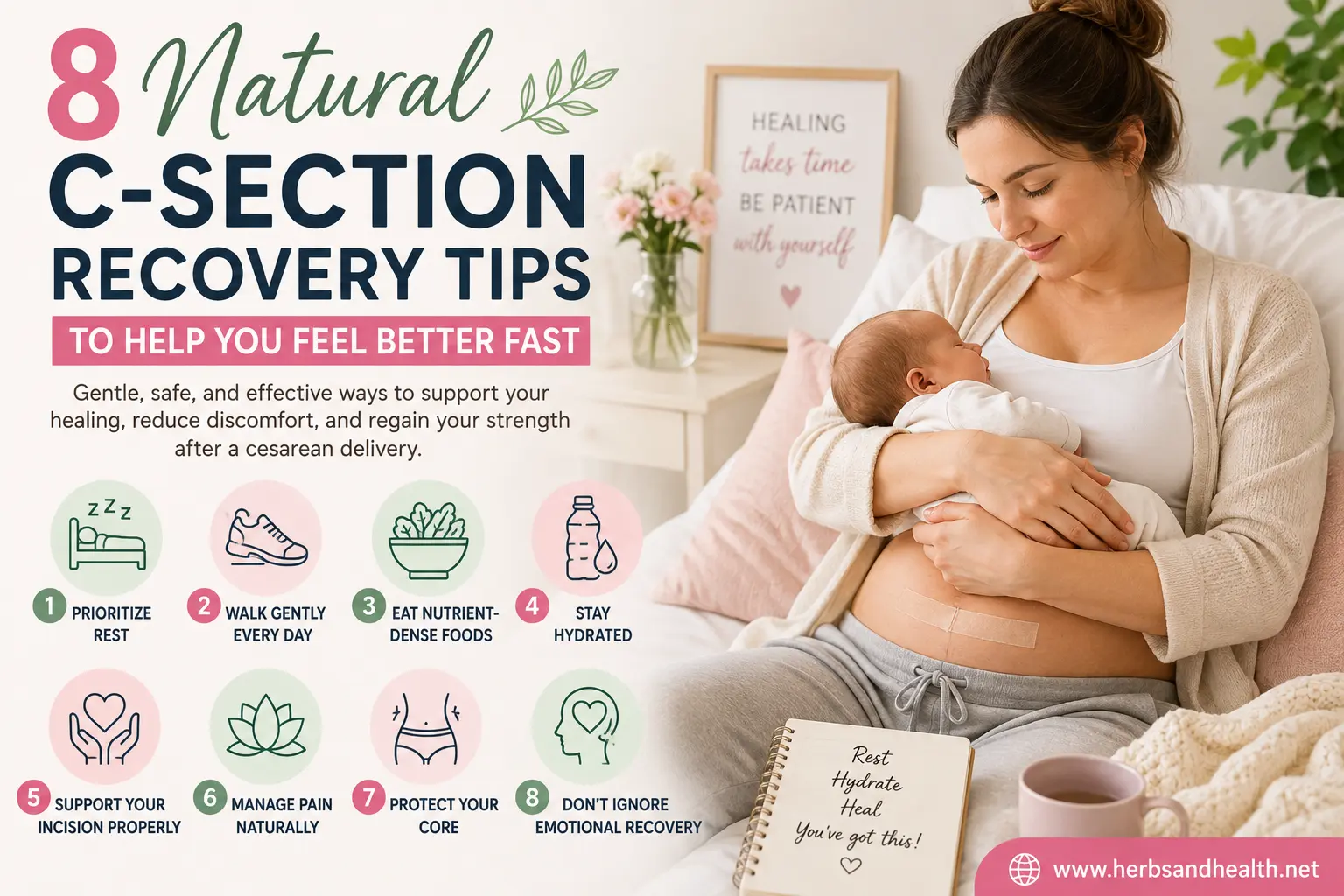
Bringing a new baby into the world is an incredible experience, but recovering from a cesarean section (C-section) takes time, patience, and proper self-care. A C-section is a major abdominal surgery, and while your body is designed to heal, the recovery process can be physically and emotionally demanding.
Many new mothers experience soreness, fatigue, swelling, limited mobility, and discomfort during the first several weeks after surgery. Fortunately, alongside your healthcare provider’s recommendations, healthy lifestyle habits and natural recovery strategies can help support healing, improve comfort, and restore your strength.
This guide explores eight natural C-section recovery tips backed by current medical guidance. These suggestions are intended to complement—not replace—the advice of your obstetrician or healthcare team.
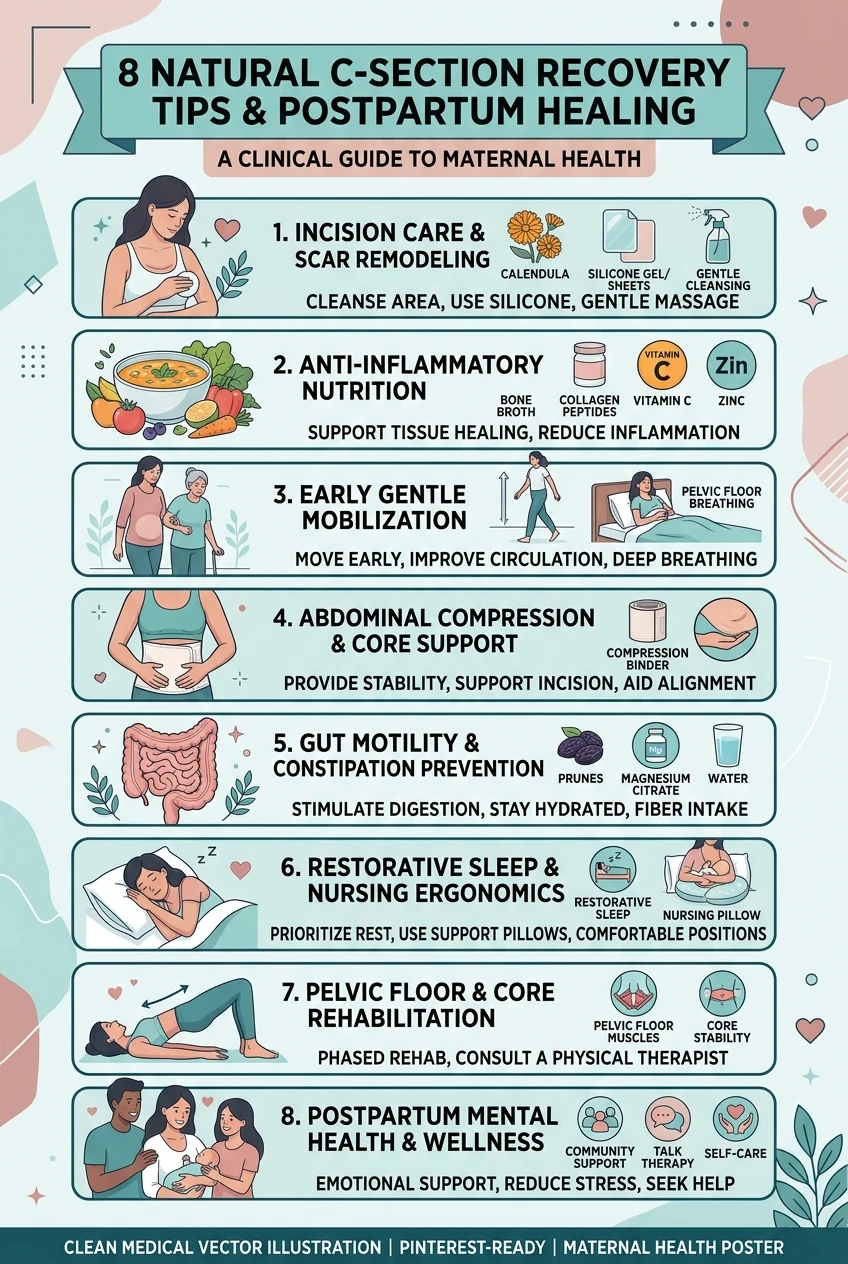
Evidence-Based Clinical Summary
Cesarean delivery (C-section) is a major abdominal surgery requiring transverse incisional entry through multiple distinct anatomical layers: epidermis, dermis, subcutaneous adipose tissue, rectus sheath fascia, parietal peritoneum, and the uterine myometrium. Complete recovery follows three overlapping biological phases: acute inflammation (days 1–6), fibroblastic cellular proliferation with collagen deposition (weeks 2–6), and tensile remodeling lasting up to 12 months. Evidence-based post-surgical rehabilitation pairs early gentle ambulation with targeted micronutrition (glycine, proline, bioavailable iron, and zinc), ergonomic abdominal splinting, and medical-grade silicone scar compression.
Understanding C-Section Recovery
A cesarean section involves delivering a baby through surgical incisions in the abdomen and uterus. Because multiple layers of tissue need to heal, recovery generally takes longer than after a vaginal birth.
Although every woman’s experience is different, many people can expect:
- Pain or tenderness around the incision
- Abdominal swelling
- Fatigue
- Mild vaginal bleeding (lochia)
- Difficulty standing fully upright during the first few days
- Temporary postoperative constipation or gas pain
- Emotional ups and downs
Most women begin feeling significantly better within six to eight weeks, but complete internal healing may continue for several months.
What Happens During the First Few Weeks?
First Week
The first several days are often the most challenging. Walking, sitting up, coughing, laughing, and lifting may feel uncomfortable. Your healthcare team will encourage gentle movement soon after surgery to reduce the risk of blood clots.
Weeks Two to Four
Pain gradually improves, although fatigue often remains. Many mothers begin moving around more comfortably while continuing to protect the incision.
Weeks Five to Eight
Most women notice increased energy, improved mobility, and reduced soreness. However, heavy lifting and strenuous exercise are usually still restricted until cleared by a healthcare provider.
1. Prioritize Rest Whenever Possible
Healing requires energy. Your body is recovering from surgery while also adjusting to caring for a newborn, producing breast milk (if breastfeeding), and coping with interrupted sleep.
Although getting uninterrupted rest may seem impossible with a new baby, try to rest whenever opportunities arise.
Helpful strategies include:
- Sleep when your baby sleeps.
- Accept help from family or friends.
- Delay nonessential household chores.
- Keep frequently used baby supplies nearby.
- Limit unnecessary visitors during the early recovery period.
Remember that resting is part of the healing process—not a sign of weakness.
2. Walk Gently Every Day
While rest is essential, complete bed rest is generally not recommended after a C-section unless specifically instructed by your healthcare provider. According to the clinical consensus guidelines established by the Enhanced Recovery After Surgery (ERAS) Society and published in the American Journal of Obstetrics and Gynecology (PubMed PMID: 30849354), early gentle ambulation within 6 to 12 hours post-surgery significantly reduces the incidence of postoperative venous thromboembolism (blood clots), accelerates return of gastrointestinal function, and shortens hospital stays without increasing wound complications.
Gentle walking offers several benefits:
- Improves circulation
- Reduces the risk of blood clots
- Supports bowel function
- Helps relieve gas pain
- Promotes gradual return of strength
- May improve mood
Start with short walks around your home before progressing to outdoor walks as your comfort improves.
Avoid pushing yourself to the point of pain or exhaustion.
3. Eat Nutrient-Dense Foods That Support Healing
Your body requires extra nutrients and metabolic substrates to repair severed fascial tissue, rebuild blood volume, and support healing. In a landmark clinical review published in Alternative Medicine Review (PubMed PMID: 14653765), researchers demonstrated that optimal collagen synthesis, cellular proliferation, and tensile wound strength require targeted dietary intake of amino acids (arginine, proline, and glycine), zinc, and ascorbic acid (vitamin C), which function as essential enzymatic cofactors during the fibroblastic phase of deep tissue healing.
Focus on meals that include:
Protein
Protein is essential for wound healing.
Good sources include:
- Eggs
- Chicken
- Turkey
- Fish
- Greek yogurt
- Cottage cheese
- Lentils
- Beans
- Tofu
Vitamin C
Vitamin C supports collagen production, which plays an important role in healing surgical incisions.
Excellent sources include:
- Oranges
- Strawberries
- Kiwi
- Bell peppers
- Broccoli
Iron
Blood loss during delivery may increase iron needs.
Iron-rich foods include:
- Lean beef
- Spinach
- Lentils
- Chickpeas
- Pumpkin seeds
Zinc
Zinc supports tissue repair and immune function.
Foods rich in zinc include:
- Seafood
- Nuts
- Seeds
- Whole grains
- Beans
Eating balanced meals throughout the day helps maintain energy while supporting recovery.
4. Stay Hydrated
Hydration is often overlooked after surgery, yet it plays a vital role in recovery.
Drinking enough fluids helps:
- Prevent constipation
- Support circulation
- Maintain healthy skin
- Promote breast milk production (if breastfeeding)
- Improve overall well-being
Water is the best choice, but other hydrating options include:
- Herbal teas approved by your healthcare provider
- Milk
- Broth-based soups
- Water-rich fruits such as watermelon and oranges
Aim to sip fluids consistently throughout the day rather than drinking large amounts all at once.
5. Care for Your Incision Properly
Clinical Scar Management
Mepitac Medical-Grade Soft Silicone Scar Tape & Sheets
Once the incision is fully epithelialized and sutures or steri-strips have resolved, clinical dermatologists recommend medical-grade silicone sheets. Silicone creates an occlusive micro-environment that normalizes hydration, decreases capillary hyperemia, and down-regulates excessive fibroblast collagen production to flatten and soften surgical scars.
Your incision needs time to heal.
General care recommendations include:
- Keep the area clean and dry.
- Wear loose, breathable clothing.
- Avoid tight waistbands that rub against the incision.
- Follow your healthcare provider’s bathing instructions.
- Watch for signs of infection.
Do not apply creams, oils, herbal products, or ointments to the incision unless your healthcare provider specifically recommends them.
Signs of Healthy Healing
Your incision may feel:
- Slightly firm
- Mildly itchy
- Tender
- Pink as it heals
Warning Signs
Contact your healthcare provider if you notice:
- Increasing redness
- Swelling
- Warmth
- Pus or drainage
- Opening of the incision
- Fever
- Increasing pain instead of gradual improvement
6. Manage Pain Naturally Alongside Medical Advice
Botanical Comfort & Tissue Relief
Earth Mama Organic Herbal Sitz Bath Compresses & Soaks
Formulated with USDA certified organic herbs including witch hazel leaf, white oak bark, calendula flowers, and peppermint leaf. These botanical brew pouches can be used for gentle warm compresses on surrounding perineal and aching lower pelvic muscles to calm postpartum inflammation and soothe soreness.
Pain control allows you to move more comfortably, care for your baby, and recover more effectively.
In addition to prescribed medications, some natural comfort measures include:
Use a Pillow for Support
Hold a pillow over your abdomen when:
- Coughing
- Sneezing
- Laughing
- Standing up
This technique provides gentle support to the incision.
Gentle Position Changes
Avoid sudden twisting movements.
Roll onto your side before sitting up from bed whenever possible.
Warm Showers
Once approved by your healthcare provider, warm showers may help relax tense muscles.
Avoid soaking in a bathtub until your provider says it’s safe.
Deep Breathing
Slow breathing exercises may reduce muscle tension and encourage relaxation.
7. Protect Your Core During Recovery
Post-Surgical Ergonomic Support
Chongerfei 3-in-1 Postpartum Support Abdominal Compression Binder
Engineered specifically for post-laparotomy and cesarean stabilization, an adjustable medical binder splints weakened rectus abdominis muscles, stabilizes incision edges during coughing or sneezing, and provides gentle proprioceptive feedback to improve upright postural alignment without placing downward pressure on the pelvic floor.
Although you may feel eager to regain abdominal strength, your core muscles need time to heal.
For the first several weeks:
Avoid:
- Sit-ups
- Heavy lifting
- High-impact exercise
- Intense abdominal workouts
Instead, focus on:
- Gentle walking
- Good posture
- Controlled breathing
- Pelvic floor exercises if approved
Once cleared by your healthcare provider, a postpartum physical therapist can help you safely rebuild core strength.
8. Don’t Neglect Emotional Recovery
Physical healing is only one part of recovery.
Hormonal changes, sleep deprivation, pain, and adjusting to life with a newborn can all affect emotional well-being.
Many mothers experience:
- Mood swings
- Anxiety
- Feeling overwhelmed
- Tearfulness
- Difficulty sleeping
These feelings are common during the first two weeks after birth.
However, persistent sadness, hopelessness, severe anxiety, or difficulty bonding with your baby may be signs of postpartum depression or anxiety.
Talk to your healthcare provider promptly if emotional symptoms become overwhelming.
Seeking help is an important part of recovery.
Foods That May Support Healing
| Food | Potential Benefit |
|---|---|
| Salmon | Omega-3 fatty acids and protein |
| Eggs | Protein and choline |
| Greek yogurt | Protein and probiotics |
| Spinach | Iron and vitamin C |
| Berries | Antioxidants |
| Beans | Fiber and protein |
| Oats | Fiber and sustained energy |
| Citrus fruits | Vitamin C |
| Nuts | Healthy fats and zinc |
| Sweet potatoes | Vitamin A and fiber |
Tips for Preventing Constipation After a C-Section
Constipation is common after surgery due to pain medications, reduced movement, and hormonal changes.
- Drink plenty of water.
- Eat fiber-rich foods.
- Walk daily.
- Include fruits and vegetables with meals.
- Follow your provider’s recommendations regarding stool softeners if prescribed.
Avoid straining during bowel movements.
Activities to Avoid During Recovery
Until cleared by your healthcare provider, avoid:
- Lifting anything heavier than your baby
- Intense exercise
- Swimming
- Hot tubs
- Driving if advised not to
- Sexual intercourse until approved
- Heavy household chores
- High-impact sports
Following these restrictions helps protect healing tissues.
When Should You Contact Your Healthcare Provider?
Seek medical advice immediately if you experience:
- Fever over 100.4°F (38°C)
- Heavy vaginal bleeding
- Severe abdominal pain
- Increasing redness or drainage from the incision
- Chest pain
- Difficulty breathing
- Pain or swelling in one leg
- Foul-smelling vaginal discharge
- Persistent vomiting
These symptoms may indicate complications requiring prompt medical attention.
Similar neuroendocrine shifts and thermoregulatory fluctuations occur across major female life stages; review our comprehensive clinical guide to 13 signs of menopause and therapeutic botanicals for hormone-balancing insights. Furthermore, it is vital to distinguish normal postoperative incisional soreness from acute surgical emergencies; review our diagnostic overview on appendicitis symptoms and acute abdominal pain differentiation for red-flag warning signs.
Related Clinical Postpartum & Recovery Guides
- Boosting Iron Naturally: Plant-Based Remedies for Anemia, Postpartum Blood Loss & Fatigue
- Oncology & Skin Healing: Evidence-Based Barrier Restoration & Tissue Recovery
- Essential Oils Guide: Safe Aromatherapy & Topical Dilution Ratios for Relaxation
- Moringa Leaves Guide: Nutrient Density, Lactation Support & Micronutrients
- Vitamin B12 Guide: Cellular Energy, Nerve Repair & Post-Surgical Healing
Frequently Asked Questions
How long does C-section recovery take?
Most women recover significantly within six to eight weeks, although complete healing may take several months.
When can I start exercising?
Light walking is usually encouraged soon after surgery, but more strenuous activities should wait until your healthcare provider gives approval.
Can I climb stairs?
Many women can climb stairs carefully after returning home, but frequent trips should be minimized during the first few days if possible.
What should I eat after a C-section?
Focus on protein-rich foods, fruits, vegetables, whole grains, and plenty of fluids to support healing and bowel function.
Is it normal to feel numb around the incision?
Yes. Temporary numbness near the incision is common and often improves gradually over time, although some altered sensation may persist.
Can I sleep on my side?
Many women find side sleeping more comfortable once they can move without excessive pain. Use pillows for additional support if needed.
How can I reduce the appearance of my scar?
Follow your healthcare provider’s wound care instructions. Once the incision has fully healed, they may recommend scar management options if appropriate.
When should I worry about my incision?
Increasing pain, redness, swelling, drainage, fever, or the incision opening are reasons to contact your healthcare provider promptly.
Key Takeaways
- A C-section is major surgery that requires time and patience to heal.
- Rest and gentle movement are equally important during recovery.
- Eating nutrient-rich foods and staying hydrated support tissue repair.
- Proper incision care helps reduce the risk of infection.
- Avoid strenuous activity until medically cleared.
- Emotional recovery deserves as much attention as physical healing.
- Contact your healthcare provider if you notice warning signs such as fever, heavy bleeding, or changes to your incision.
Conclusion
Recovering from a C-section is a gradual process, but small daily habits can make a meaningful difference. Prioritizing rest, nourishing your body with healthy foods, staying hydrated, walking gently, caring for your incision, and protecting your core all contribute to a smoother recovery.
Every mother’s healing journey is unique. While natural recovery strategies can improve comfort and support overall wellness, they should always complement the personalized guidance provided by your healthcare team. Be patient with yourself, ask for help when needed, and celebrate each step forward as your body heals and adapts to life with your new baby.