The Quick Phytochemical Summary
How Herbal Teas Downregulate Stress: Unlike pharmaceutical sedatives, therapeutic herbal infusions utilize plant flavonoids (such as apigenin in chamomile and chrysin in passionflower) that gently bind to central GABA-A neuroreceptors in the brain. This naturally slows racing thoughts, relaxes neuromuscular tension, and promotes restorative slow-wave sleep without morning grogginess or dependence.
In This Nervous System Reset Guide:
The Science of Botanical GABA Modulation
When chronic psychological stress or sensory overload activates the sympathetic nervous system (“fight-or-flight”), cortisol and adrenaline flood the bloodstream. The brain’s natural counterbalance is gamma-aminobutyric acid (GABA), an inhibitory neurotransmitter that dampens neuronal excitability.
Several medicinal herbs contain active polyphenols, volatile monoterpenes, and lignans that cross the blood-brain barrier and enhance GABAergic tone. Drinking a warm, freshly steeped herbal infusion also stimulates the vagus nerve via warm esophageal sensation, triggering a parasympathetic (“rest-and-digest”) cascade within 15 minutes.
The 7 Most Effective Calming Herbal Blends
These 7 botanicals represent the most thoroughly researched caffeine-free nervines available:
- Passionflower (Passiflora incarnata) — Best for Racing Thoughts: Rich in vitexin and chrysin, passionflower is clinically documented to reduce generalized anxiety scores comparable to low-dose benzodiazepines without motor impairment.
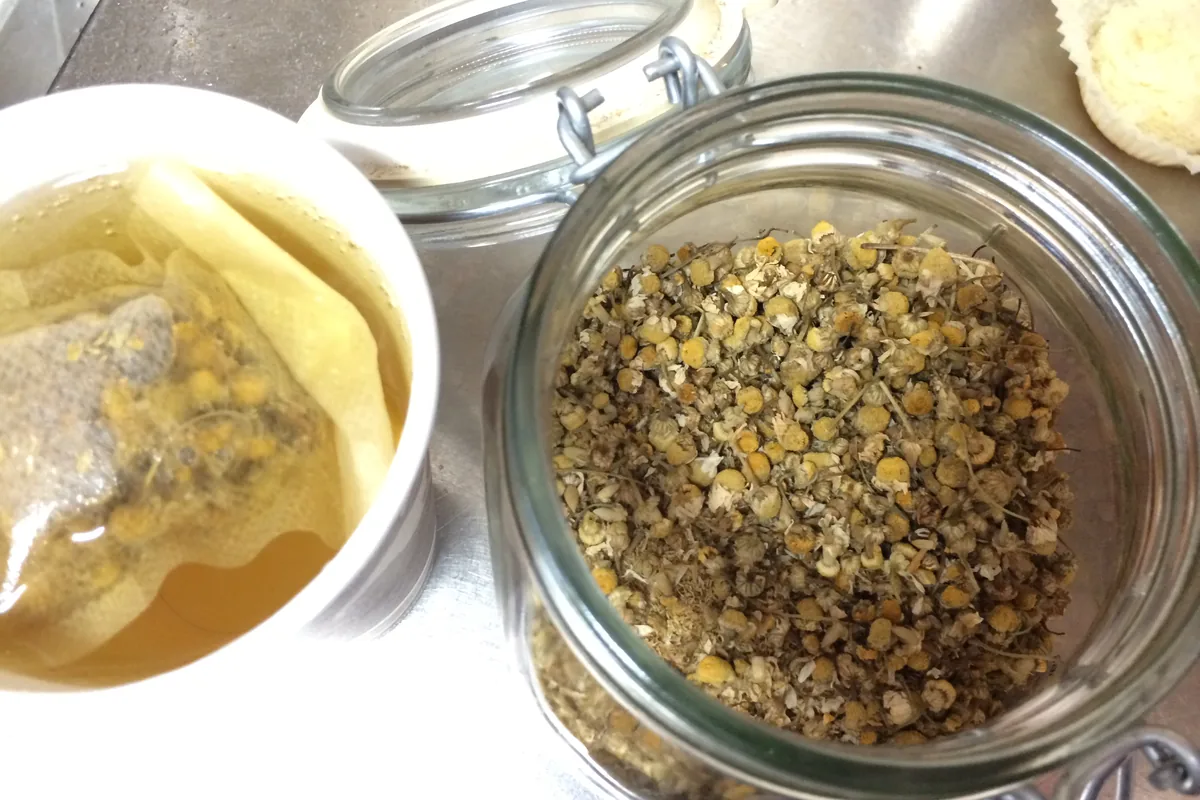
- German Chamomile (Matricaria chamomilla) — Best for Muscle Relaxation: Contains high concentrations of apigenin, an antioxidant that binds directly to benzodiazepine receptors in the amygdala, gently inducing sleepiness.
- Lemon Balm (Melissa officinalis) — Best for Daytime Jitters: Contains rosmarinic acid, which inhibits the enzyme GABA transaminase (the enzyme that destroys GABA), preserving your brain’s natural calming reserves.
- Ashwagandha Root (Withania somnifera) — Best for Cortisol Reduction: An adaptogen with withanolides that regulate the hypothalamic-pituitary-adrenal (HPA) axis, flattening evening cortisol spikes for deeper REM recovery.
- Valerian Root (Valeriana officinalis) — Best for Severe Insomnia: A potent botanical whose valerenic acid increases GABA release; best taken 45 minutes before turning off bedroom lights.
- Holy Basil / Tulsi (Ocimum sanctum) — Best for Mental Fatigue: An Ayurvedic adaptogen that reduces mental exhaustion while maintaining clear, tranquil focus during high-pressure work days.
- French Lavender (Lavandula angustifolia) — Best for Aromatherapeutic Calming: Packed with linalool and linalyl acetate, lavender tea works both through digestive absorption and aromatic olfactory stimulation.
Herb Comparison Matrix (Onset, Potency & Best Time)
| Herb Blend | Active Phytochemical | Calming Potency | Best Time to Drink |
|---|---|---|---|
| Passionflower | Chrysin, Vitexin | High (Mental quiet) | 1 hour before bed |
| German Chamomile | Apigenin, Bisabolol | Moderate (Physical ease) | Evening or post-dinner |
| Lemon Balm | Rosmarinic Acid | Moderate (Daytime calm) | Late afternoon / Workdays |
| Valerian Root | Valerenic Acid | Very High (Sleep onset) | 30-45 mins before sleep |
The “Covered Brew” Rule: Preserving Volatile Terpenes
Most people prepare herbal tea improperly, allowing the most therapeutic components to escape into the kitchen air. Follow these non-negotiable infusion rules:
- Water Temperature: Bring water to a boil, then wait 60 seconds (aiming for 195°F to 205°F / 90°C to 95°C). Boiling water directly scorched delicate flower petals.
- Always Cover the Mug: The calming compounds in lavender, lemon balm, and chamomile are volatile essential oils. If you brew in an open mug, they evaporate with the steam. Cover your cup with a saucer while it steeps for 8 to 10 minutes.
- Combine Strategically: Blending equal parts Chamomile and Passionflower creates a synergistic effect that addresses both somatic physical tension and mental rumination.
Learn more about botanical safety in our detailed guide on who should NOT take Ashwagandha and our overview of the proven health benefits of drinking daily herbal teas.
Frequently Asked Questions
Will calming herbal teas cause grogginess the next morning?
No. Unlike synthetic prescription sleep medications that suppress normal sleep architecture, herbal teas support your body’s natural transition into non-REM sleep and are metabolized cleanly overnight.
Can I drink chamomile or passionflower tea during the daytime?
Yes. In daytime doses (1 cup), chamomile and lemon balm promote mental tranquility without causing involuntary drowsiness, making them excellent coffee replacements during stressful work hours.
Are these herbal teas safe to combine with anxiety medications?
If you are currently prescribed SSRIs, benzodiazepines, or sedative medications, speak with your physician or pharmacist before regularly drinking potent nervines like Valerian root or Passionflower to avoid additive sedative effects.