

Quick Medical Summary: Bipolar disorder is a chronic, recurrent neuropsychiatric condition defined by dramatic shifts in mood, energy, and cognitive activity, oscillating between depressive despair and manic or hypomanic elevation. Conventional mood stabilizers (lithium, valproate, lamotrigine) and second-generation antipsychotics represent the mandatory frontline standard of medical care. However, published clinical trials in translational psychiatry demonstrate that targeted adjunctive nutritional compounds, most notably high-EPA omega-3 fatty acids, N-acetylcysteine (NAC), and magnesium bisglycinate, can substantially reduce neuroinflammation, buffer glutamate excitotoxicity, and mitigate residual depressive symptoms. Crucially, natural protocols must be calibrated with rigorous caution: stimulating botanicals like St. John’s Wort and high-dose SAMe are strictly contraindicated due to their verified potential to induce destabilizing manic switches.
Understanding Bipolar Neurobiology: Circadian Clocks, Mitochondria & Glutamate
Bipolar disorder affects roughly 2% to 3% of the global population, categorized clinically into Bipolar I (defined by at least one full manic episode), Bipolar II (characterized by major depressive episodes alternating with hypomania), and Cyclothymic Disorder. Historically viewed merely as a “chemical imbalance,” contemporary neuroimaging and molecular genetics reveal that bipolar disorder is rooted in distinct neurobiological and physiological disruptions:
1. Severe Circadian Rhythm Fragility: Individuals with bipolar disorder possess inherent genetic variations in CLOCK and ARNTL (BMAL1) genes. Their suprachiasmatic nucleus, the master circadian pacemaker in the hypothalamus, is exceptionally sensitive to disruption. A single night of sleep deprivation, transmeridian travel, or late-night blue-light exposure can destabilize the internal biological clock, rapidly precipitating an acute manic or depressive relapse.
2. Mitochondrial Dysfunction & Oxidative Stress: Post-mortem cerebral tissue examinations and magnetic resonance spectroscopy reveal impaired mitochondrial electron transport chain (Complex I) activity in the prefrontal cortex and hippocampus. When mitochondria fail to produce cellular adenosine triphosphate (ATP) efficiently, excessive reactive oxygen species (ROS) leak into neurons, damaging delicate lipid membranes and depleting endogenous antioxidants like glutathione.
3. Excitatory/Inhibitory Neurotransmitter Dysregulation: During manic episodes, central nervous system levels of excitatory glutamate and dopamine surge uncontrollably, overwhelming the inhibitory brake of GABA (gamma-aminobutyric acid). This hyper-glutamatergic state drives psychomotor agitation, flight of ideas, and sleep loss. Conversely, in depressive phases, blunted monoaminergic signaling and prefrontal disconnection trigger profound emotional paralysis and cognitive fatigue, mechanisms that parallel patterns analyzed in our clinical guide on anxiety root causes and natural coping strategies.
Evidence-Backed Nutritional Adjuncts: High-EPA Omega-3s & NAC
While natural remedies can never replace prescribed mood-stabilizing pharmaceuticals, several well-researched compounds have demonstrated statistically significant clinical benefits when used as add-on (adjunctive) therapies under strict psychiatric supervision:
1. High-EPA Omega-3 Fatty Acids (Eicosapentaenoic Acid)
Omega-3 polyunsaturated fatty acids are fundamental structural components of neuronal lipid bilayers. In multiple systematic reviews and landmark double-blind clinical trials published in the Archives of General Psychiatry (PubMed PMID: 10327903), high-dose omega-3 fatty acid supplementation demonstrated robust clinical efficacy in alleviating bipolar depression and stabilizing cell membrane signaling.
Crucially, clinical trials confirm that formulas with a predominant ratio of EPA to DHA (at least 2:1 or higher, providing 1,000 to 2,000 mg of pure EPA daily) are responsible for the mood-stabilizing benefit. EPA displaces inflammatory arachidonic acid from neuronal membranes, dampening inflammatory cytokine cascades (IL-6, TNF-α) and modulating intracellular second-messenger systems without destabilizing manic mood switches.
2. N-Acetylcysteine (NAC): Replenishing Cellular Glutathione
N-Acetylcysteine is a modified amino acid that serves as the rate-limiting precursor to glutathione, the central nervous system’s master intracellular antioxidant. In a landmark randomized, double-blind, placebo-controlled trial published in Biological Psychiatry (PubMed), clinical researchers led by Dr. Michael Berk evaluated 2,000 mg daily of adjunctive NAC in patients with bipolar disorder over 24 weeks.
The findings were remarkable: participants receiving adjunctive NAC demonstrated profound, statistically significant reductions on the Montgomery-Åsberg Depression Rating Scale (MADRS) and the Bipolar Depression Rating Scale (BDRS). By reversing chronic neuroinflammation, buffering excess extracellular glutamate via glial cystine-glutamate antiporters, and protecting cortical mitochondria, NAC provides targeted relief for treatment-resistant depressive phases.
For high-potency, third-party verified EPA concentrations that match clinical psychiatric trial protocols:
Nordic Naturals essential Omega (1280 mg Omega-3s)
Delivers concentrated, wild-caught omega-3s in true triglyceride form for optimal cellular bioavailability. Standardized with high EPA to DHA ratios to support neuronal membrane fluidity, dampen neuroinflammation, and support emotional baseline stability.
- Friend of the Sea certified non-GMO wild-caught deep-sea fish
- Superior triglyceride form for up to 70% greater cellular absorption
- Third-party tested for mercury, heavy metals, and environmental toxins
3. Circadian Biology & Interpersonal Social Rhythm Therapy (IPSRT)
Because the biological clock is uniquely hypersensitive in bipolar disorder, Interpersonal and Social Rhythm Therapy (IPSRT) represents one of the most powerful non-pharmacological interventions in modern psychiatric medicine:
- Rigid Sleep-Wake Anchoring: Arising and going to bed at the exact same minute seven days a week stabilizes the master circadian pacemaker. Even a two-hour sleep shift on weekends can trigger acute mood instability.
- Morning High-Lux Natural Light: Exposing your retinas to 20 to 30 minutes of natural outdoor sunlight within 30 minutes of waking sets the Cortisol Awakening Response (CAR) and initiates the 14-hour biological countdown toward evening melatonin release.
- Evening Blue-Light Blockade: Artificial light from screens and LED bulbs suppresses pineal melatonin secretion by up to 80%. Wearing amber-tinted blue-light blocking glasses after sunset preserves restorative slow-wave sleep.
- Scheduled Social Rhythms: Consuming meals and engaging in social activities at consistent intervals anchors secondary peripheral circadian clocks in the liver, gut, and skeletal muscle.
4. Secondary Neurological Minerals: Magnesium Bisglycinate & Inositol
Beyond omega-3s and antioxidants, specific neurological minerals modulate membrane excitability and intracellular second-messenger signaling:
Magnesium Bisglycinate: Magnesium acts as nature’s physiological “cork” on the excitatory NMDA receptor, preventing calcium from flooding neurons and driving anxious irritability. Chelated with calming glycine, magnesium bisglycinate delivers superior gastrointestinal tolerability, helping relax somatic muscle tension and supporting restorative sleep architecture without morning lethargy, a mechanism also detailed in our comprehensive guide on calming your mind naturally with proven botanicals.
Myo-Inositol: Inositol is an isomer of glucose that plays an integral role in the phosphoinositide (PI) second-messenger system, the identical biochemical pathway modulated by prescription lithium. While high doses require psychiatric monitoring, adjunctive inositol can support emotional stability, particularly in individuals experiencing concurrent panic symptoms or obsessive rumination.
For pure, pharmaceutical-grade N-acetylcysteine to replenish neuronal glutathione and buffer glutamate signaling:
NOW Supplements NAC 600 mg with Selenium & Molybdenum
Clinically dosed N-acetylcysteine combined with essential trace mineral cofactors selenium and molybdenum. Supports endogenous glutathione synthesis, protects cortical mitochondria from oxidative stress, and modulates central glutamate exchange.
- Pure free-form N-acetyl-L-cysteine for optimal biological utilization
- Enriched with molybdenum and selenium to facilitate hepatic sulfur clearance
- Non-GMO, vegan-friendly, and manufactured under strict cGMP standards
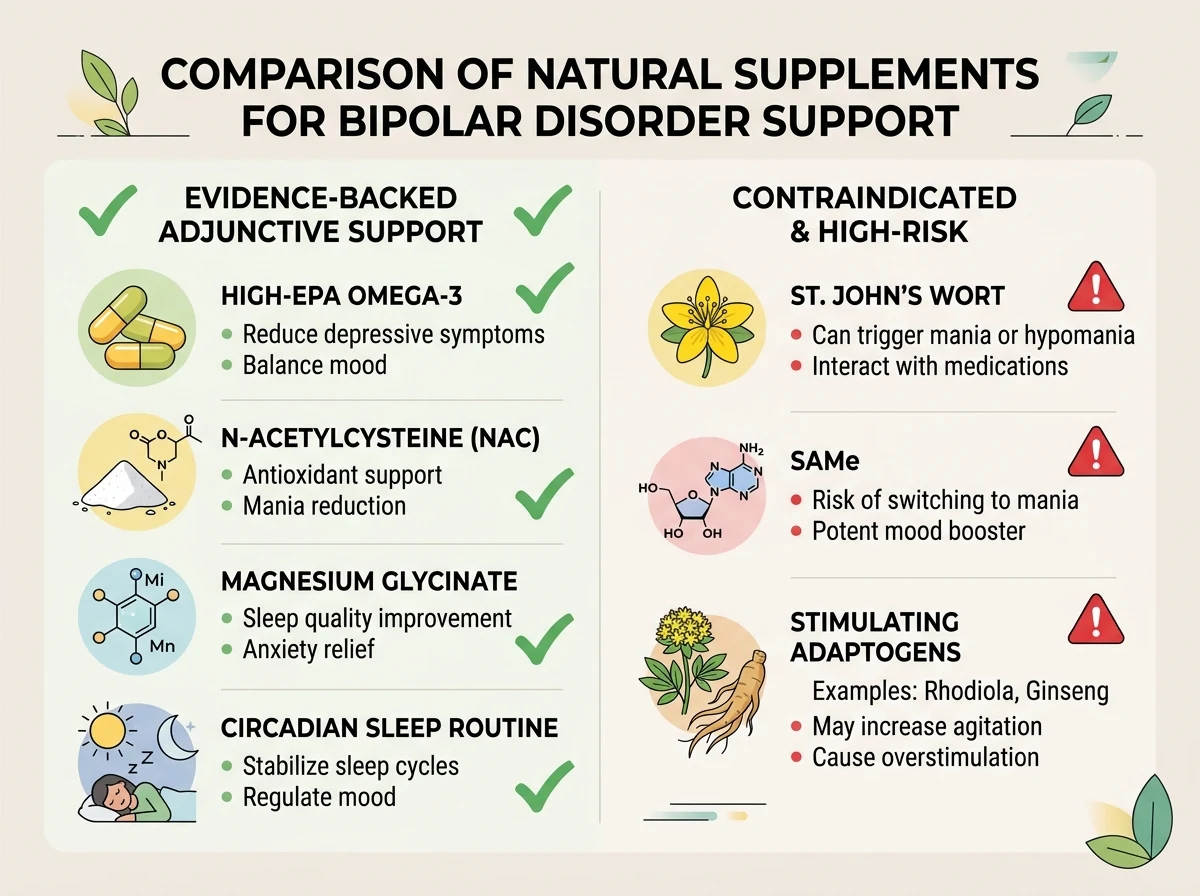
Critical Safety Warnings: Botanicals That Trigger Manic Switches
In bipolar disorder, botanical safety is paramount. Several popular herbal supplements that are beneficial for unipolar depression can trigger catastrophic manic switches, rapid cycling, or psychotic episodes in individuals with bipolar neurochemistry:
- St. John’s Wort (Hypericum perforatum): A potent monoamine reuptake inhibitor. Clinical case reports extensively document that St. John’s Wort triggers severe hypomania, full-blown mania, and rapid cycling. Additionally, it induces cytochrome P450 (CYP3A4) liver enzymes, dangerously reducing blood levels of prescribed mood stabilizers and antipsychotics.
- S-Adenosylmethionine (SAMe): While widely utilized for unipolar depression, SAMe donates methyl groups that accelerate monoamine synthesis. In bipolar patients, SAMe carries a documented high risk of precipitating manic switching and agitation.
- Rhodiola Rosea & Stimulating Adaptogens: Highly stimulating adaptogens that enhance central catecholaminergic activity can provoke insomnia, racing thoughts, and hypomanic irritability.
- High-Dose Antidepressant Herbs: Any botanical that excessively boosts synaptic dopamine, norepinephrine, or serotonin should never be used without direct psychiatric oversight. Individuals navigating co-occurring attention or focus challenges should explore non-stimulant strategies discussed in our review of natural remedies for ADHD and attention management.
Clinical Comparison Table: Adjunctive Nutritional Compounds
This clinical matrix outlines the primary targets, evidence levels, and manic switch risks of complementary adjuncts evaluated in translational psychiatry:
| Nutritional Compound | Primary Mechanism | Standard Daily Dosage | Clinical Evidence Target | Manic Switch Risk |
|---|---|---|---|---|
| High-EPA Omega-3 | Membrane fluidity & cytokine reduction | 1,000–2,000 mg pure EPA | Bipolar depression alleviation | Extremely Low (Safe) |
| N-Acetylcysteine (NAC) | Glutathione synthesis & glutamate buffer | 1,000–2,000 mg daily | Depressive phases & executive clarity | Extremely Low (Safe) |
| Magnesium Bisglycinate | NMDA blockade & somatic GABA support | 200–400 mg elemental Mg | Sleep continuity & anxiety reduction | Zero Risk |
| Myo-Inositol | Phosphoinositide second-messenger support | 2,000–6,000 mg daily | Adjunctive mood & panic regulation | Low (Requires MD monitoring) |
| IPSRT / Circadian Therapy | Suprachiasmatic nucleus synchronization | Consistent wake times & morning light | Relapse prevention & rhythm stabilization | Zero Risk (Foundational) |
| St. John’s Wort | Triple monoamine reuptake inhibition | Avoid completely | Contraindicated in bipolar illness | High (Dangerous Manic Risk) |
For clean, hypoallergenic magnesium chelation to support neuromuscular relaxation and restorative sleep:
Pure Encapsulations Magnesium (Glycinate)
Highly absorbable chelated magnesium bound to amino acid glycine. Formulated to calm somatic nervous system hyperarousal, block NMDA receptor excitotoxicity, and promote deep restorative sleep without gastrointestinal upset.
- Hypoallergenic formula free from gluten, artificial additives, and allergens
- Gentle on the digestive tract with optimal intestinal absorption
- Supports healthy GABAergic neurotransmission and neuromuscular ease
Related Clinical Guides & Neurochemical Protocols
Explore complementary research-backed guides from our neurology and emotional health library:
- Anxiety & Somatic Calm: Anxiety Relief Guide: HPA-Axis Balancing & Calming Botanicals
- Clinical Stress Protocols: Calm Your Mind: Natural Remedies for Anxiety & Chronic Stress
- Executive Functioning: Natural Remedies for ADHD: Nutrition, Nootropics & Focus Strategies
- Cognitive Clarity: Daily Tea & L-Theanine: Preserving Brain Connectivity & Focus
- Memory Loss Staging: Amnesia Explained: 6 Types, Root Causes & Synaptic Recovery
- Neurodegenerative Trends: Alzheimer’s Mortality Data, Neuropathology & Prevention
Frequently Asked Questions (Clinical FAQ)
Can natural remedies completely replace prescribed bipolar medications?
No. Bipolar disorder is a severe medical condition requiring prescription mood stabilizers (such as lithium or lamotrigine) to prevent life-threatening manic episodes and depressive relapse. Natural compounds should only ever be utilized as adjunctive (complementary) support under direct psychiatric supervision.
What is the most scientifically supported supplement for bipolar depression?
High-EPA omega-3 fatty acids (at least 1,000 mg to 2,000 mg pure EPA daily) and N-acetylcysteine (NAC, 1,000 to 2,000 mg daily) possess the strongest double-blind, randomized controlled trial evidence for mitigating depressive severity without provoking manic switches.
Why is sleep disruption so dangerous in bipolar disorder?
Sleep loss destabilizes the suprachiasmatic nucleus and spikes central dopamine and noradrenaline levels, acting as the single most common biological trigger for manic switching. Maintaining rigid wake times and eliminating evening blue light is essential for long-term mood stability.
Are herbal teas like chamomile or lemon balm safe for people with bipolar disorder?
Yes. Gentle, non-stimulating nervines such as organic chamomile, lemon balm, and passionflower act as mild GABA-A modulators, promoting evening relaxation without elevating monoamine levels or risking manic induction.
What should I do before introducing any new supplement?
Always bring your proposed supplement plan to your treating psychiatrist. Certain natural compounds can interact with renal clearance or hepatic enzymes (CYP450) that metabolize mood stabilizers, making professional oversight indispensable.
Medical Disclaimer: This article is intended strictly for educational and scientific informational purposes. It does not constitute psychiatric or medical diagnosis, advice, or treatment. Bipolar disorder is a serious psychiatric condition requiring ongoing clinical supervision by a board-certified psychiatrist or licensed physician. Never discontinue or adjust prescribed mood-stabilizing medications based on online information.