Editorial & Clinical Summary: Attention Deficit Hyperactivity Disorder (ADHD) is a neurodevelopmental wiring characterized by differences in dopamine and norepinephrine catecholamine signaling across prefrontal cortical networks. Integrative complementary protocols focus on targeted micronutrient optimization—most notably high-EPA omega-3 fatty acids, elemental zinc, serum ferritin, and magnesium-B6 cofactors—combined with clinically validated botanical nootropics like Bacopa monnieri and Rhodiola rosea to enhance synaptic plasticity, cognitive stamina, and executive functioning.
Living with Attention Deficit Hyperactivity Disorder (ADHD) is often described as having a Ferrari engine for a brain with bicycle-grade brakes. It is not a lack of intelligence, willpower, or effort; rather, ADHD is a distinct neurodevelopmental wiring characterized by differences in how the brain regulates attention, processes rewards, and manages executive function.
At the neurological core of ADHD lies altered transmission of two critical neurotransmitters: dopamine (which governs motivation, sustained interest, and working memory) and norepinephrine (which regulates mental alertness and impulse control). When these chemical messengers are cleared too quickly from prefrontal synapses, focusing on routine tasks can feel physically exhausting, while engaging in high-stimulation activities triggers effortless hyperfocus.
While prescription stimulant and non-stimulant medications remain a standard frontline option, ADHD frequently co-occurs with other distinct neurodivergent profiles—most notably within the spectrum explored in our clinical guide to Autism Spectrum Disorder support levels and diagnostic criteria. Furthermore, chronic executive frustration often triggers secondary autonomic hyperarousal, making integrative protocols discussed in our natural anxiety relief guide an invaluable companion. Below is your evidence-grounded clinical guide to natural ADHD support: foundational brain nutrients, botanical nootropics, dopamine-friendly nutrition, and behavioral structure.
The 4 Foundational Micronutrients for ADHD Brain Chemistry
Your brain requires specific enzymatic cofactors to synthesize, package, and utilize dopamine. Clinical research highlights four essential nutrients that are frequently deficient in children and adults with ADHD:
1. Omega-3 Fatty Acids (EPA & DHA)
The human brain is roughly 60% fat by dry weight, with omega-3 long-chain polyunsaturated fatty acids forming the structural backbone of neuronal cell membranes. High levels of eicosapentaenoic acid (EPA) and docosahexaenoic acid (DHA) keep cell membranes fluid, allowing dopamine receptors to bind efficiently.
In a landmark systematic review and meta-analysis published in the Journal of the American Academy of Child & Adolescent Psychiatry (PubMed), omega-3 fatty acid supplementation demonstrated statistically significant improvements in ADHD clinical symptom severity, working memory, and sustained attention. Crucially, research indicates that formulas with a high EPA-to-DHA ratio (at least 2:1, delivering 1,000 to 2,000 mg of combined EPA/DHA daily) produce the most pronounced clinical benefits.
2. Zinc: The Dopamine Co-Factor
Zinc is an indispensable mineral that regulates over 300 enzymatic processes. In the brain, zinc acts as a necessary cofactor for the conversion of dietary amino acids into active dopamine, while directly modulating dopamine transporter (DAT) activity. Numerous pediatric studies have demonstrated that children with ADHD exhibit significantly lower serum and red blood cell zinc levels compared to neurotypical controls. Supplementing with 15 to 30 mg of elemental zinc (or age-appropriate pediatric doses) has been shown to reduce impulsivity and hyperactivity.
3. Iron & Ferritin: Fueling Tyrosine Hydroxylase
Iron is the essential rate-limiting cofactor for tyrosine hydroxylase (for targeted dietary strategies, explore our guide on boosting iron naturally for fatigue and cellular vitality)—the primary enzyme that transforms the amino acid L-tyrosine into L-DOPA, the immediate precursor to dopamine. Multiple peer-reviewed investigations have revealed that children with ADHD frequently suffer from low serum ferritin (stored iron), even when routine hemoglobin counts appear normal on a standard CBC test. For clinical strategies on optimizing bioavailable non-heme mineral cofactors without gastrointestinal distress, review our guide to plant-based iron and mineral absorption. Correcting ferritin levels under medical supervision noticeably improves restless motor behaviors and cognitive stamina.
4. Magnesium & Vitamin B6
Magnesium is nature’s neurological stabilizer, acting as a natural gatekeeper for excitatory NMDA receptors. When magnesium levels are suboptimal, sensory stimulation can overwhelm the nervous system, leading to irritability, muscle twitching, and nocturnal restlessness. Vitamin B6 (pyridoxine) works synergistically with magnesium to facilitate the enzymatic decarboxylation of L-DOPA into dopamine. Combining magnesium glycinate (200–400 mg) with vitamin B6 creates a gentle, calming foundation that softens sensory overload and supports restful sleep.
Top 4 Botanical Nootropics for Cognitive Stamina
Beyond baseline minerals, specific botanical nootropics modulate cerebral blood flow and neurotransmitter longevity:
1. Bacopa Monnieri (Brahmi)
Revered in Ayurvedic medicine for centuries as a premier brain tonic, Bacopa contains bioactive saponins called bacosides. Research indicates that bacosides enhance synaptic transmission, repair damaged neuronal dendrites, and protect against oxidative stress in the hippocampus. In clinical trials published in Advances in Mind-Body Medicine (PubMed PMID: 24682000), standardized Bacopa monnieri extract taken daily by children with ADHD for 12 weeks significantly alleviated inattention symptoms and enhanced working memory.
2. L-Theanine (from Green Tea)
L-theanine is a unique amino acid found almost exclusively in green tea leaves. It crosses the blood-brain barrier to stimulate alpha brainwave activity (8–12 Hz), fostering a state of calm, centered focus while blunting the physical jitters and cardiovascular strain of stimulant medications. For a detailed clinical breakdown of green tea catechins and neural connectivity, see our analysis on daily tea consumption and brain protection.
L-theanine is an amino acid capable of crossing the blood-brain barrier to promote relaxed mental clarity. It blocks glutamate receptors while elevating GABA and dopamine levels, generating Alpha Brain Waves (8–12 Hz). When paired with a protein-rich breakfast, L-theanine creates a state of “calm focus” without daytime drowsiness or nervous agitation.
3. Pycnogenol (French Maritime Pine Bark Extract)
Derived from the bark of Pinus pinaster, Pycnogenol is rich in proanthocyanidins with exceptionally high antioxidant potency. In European randomized controlled trials, pediatric patients taking 1 mg per kg of body weight daily showed marked reductions in hyperactivity, improved visual-motor coordination, and decreased urinary catecholamine excretion compared to placebo groups.
4. Rhodiola Rosea
This high-altitude Arctic adaptogen inhibits the breakdown of monoamine neurotransmitters (dopamine, norepinephrine, and serotonin). It is especially valuable for adults with ADHD who experience chronic executive burnout, mid-day brain fog, or sluggish cognitive tempo under sustained workload pressure.
The “Dopamine-First” Nutrition Blueprint & Gut-Brain Axis
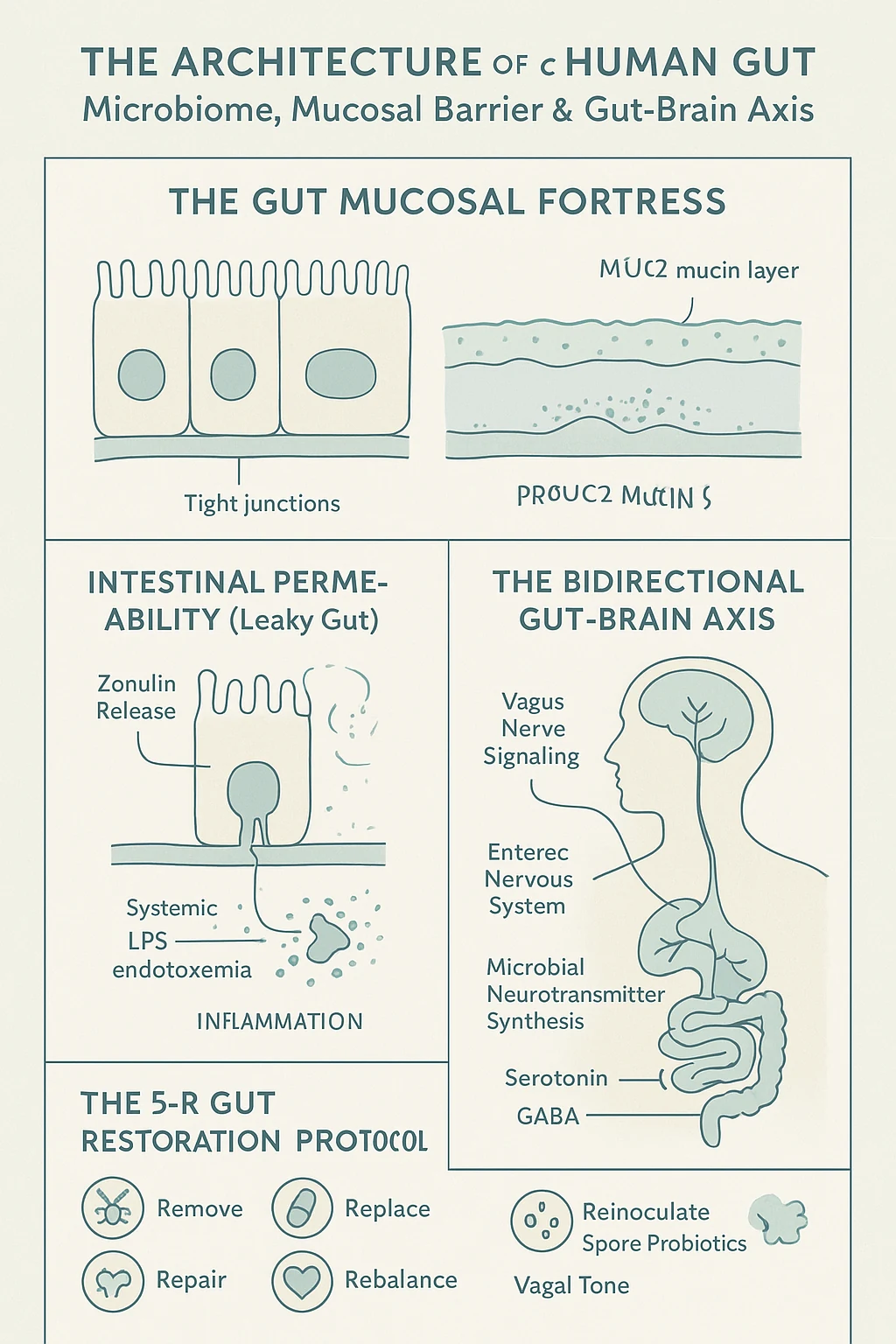
Because over 50% of the body’s dopamine and 90% of serotonin are synthesized in the gastrointestinal tract, gut microbiome dysbiosis and food sensitivities exert a direct epigenetic influence on executive function. Children and adults with ADHD frequently experience chronic enteric dysmotility, nausea, or visceral hypersensitivity, issues addressed in our pediatric protocol on natural remedies for childhood nausea and hydration. Implementing a low-inflammatory, whole-food dietary structure stabilizes blood glucose and fuels prefrontal neurotransmission:
What goes on your plate directly dictates the raw materials available to your central nervous system. Strategic dietary adjustments can make a profound difference in daily symptom control:
- Prioritize a High-Protein Breakfast: Dopamine cannot be synthesized from thin air; it requires the essential amino acid L-tyrosine. Starting the morning with eggs, Greek yogurt, clean protein shakes, or pumpkin seeds delivers a sustained supply of tyrosine to the brain, preventing mid-morning dopamine crashes.
- Eliminate Synthetic Food Dyes & Preservatives: The landmark Southampton Study published in The Lancet revealed that artificial food colorings (especially Red No. 40, Yellow No. 5, and Yellow No. 6) alongside sodium benzoate preservative induce statistically significant spikes in hyperactivity and inattention in children. Choose naturally colored whole foods whenever possible.
- Anchor Complex Carbohydrates: Simple refined sugars and high-fructose corn syrup trigger rapid glucose spikes followed by reactive hypoglycemia. These sudden blood sugar plunges cause emergency surges in adrenaline, mimicking and exacerbating temper tantrums, emotional volatility, and impulsivity. Opt for sweet potatoes, oats, berries, and quinoa to ensure steady glucose delivery to the prefrontal cortex.
Behavioral Architecture: Structuring the Environment for Success
Because executive function is impaired from within, successful ADHD management relies heavily on externalizing executive controls into your physical environment:
| Technique | How It Works | Why the ADHD Brain Responds |
|---|---|---|
| The Pomodoro Sprint (25/5) | Work with intense focus for 25 minutes, followed by a mandatory 5-minute movement break. | Eliminates the overwhelming feeling of open-ended time and creates urgency. |
| “Body Doubling” | Work or study in the physical or virtual presence of another focused person. | Triggers social accountability and mirrors executive focus in the mirror neuron system. |
| Sensory Diet | Use weighted lap pads, textured fidgets, or balance disc cushions while seated. | Satisfies the cerebellum’s demand for proprioceptive sensory input without disruptive fidgeting. |
| Vigorous Morning Cardio | Engage in 20–30 minutes of high-intensity aerobic exercise (biking, jumping, running). | Stimulates immediate brain-derived neurotrophic factor (BDNF) and spikes morning dopamine. |
| Visual Timers & Alarms | Use analog countdown clocks (like Time Timer) where remaining time is visually depicted in red. | Overcomes “time blindness” by making the abstract concept of time visually tangible. |
Recommended Natural Focus & Nervous System Essentials
These three clinically validated, third-party tested nutritional supplements provide pure, bioavailable support for cognitive function, neurotransmitter balance, and calm attention:
1. Nordic Naturals Ultimate Omega
Wild-caught, non-GMO omega-3 fish oil delivering high concentrations of active EPA and DHA in the superior triglyceride form. Third-party purity tested to support neuronal membrane fluidity, working memory, and cognitive focus.
2. Doctor’s Best Suntheanine L-Theanine
Patented pure L-theanine that stimulates alpha brain wave activity to promote alert, relaxed focus without drowsiness or stimulant jitters. An ideal morning companion for busy minds seeking centered productivity.
3. ChildLife Liquid Zinc Plus (Kid-Friendly)
Delicious natural mango-strawberry flavored liquid zinc formulated for easy absorption by children and teens. Essential for dopamine enzymatic synthesis, immune resilience, and neurological regulation without artificial colors.
Related Clinical Guides & Neurodevelopmental Protocols
Explore complementary research-backed guides from our neurology and pediatric wellness library:
- Neurodevelopmental Support: Autism Spectrum Disorder: Diagnostic Pathways & Sensory Accommodations
- Autonomic Calming: Anxiety Relief Guide: HPA-Axis Balancing & Calming Botanicals
- Stress Neurochemistry: Calm Your Mind: Natural Remedies for Anxiety & Chronic Stress
- Mood Regulation: Natural Treatments for Bipolar Disorder: Evidence-Informed Therapies
- Cognitive Alertness: Daily Tea & L-Theanine: Preserving Brain Connectivity & Focus
- Mineral Absorption: Plant-Based Iron & Minerals: 7 Herbs for Blood Health & Absorption
- Pediatric Digestion: Natural Remedies for Kids with Nausea & Digestive Sensitivity
Frequently Asked Questions (FAQ)
Can natural remedies completely replace prescription ADHD medication?
For individuals with mild symptoms or those who experience severe adverse side effects from pharmaceuticals, a comprehensive natural protocol combining high-dose Omega-3s, mineral repletion, and behavioral coaching can provide substantial, life-changing improvements. However, for moderate to severe ADHD, natural tools often work best as complementary therapies alongside medical supervision, frequently enabling lower prescription dosages and reducing afternoon medication crashes.
How long does it take for Omega-3 supplements to show noticeable results?
Unlike stimulant medications that act within 45 minutes, omega-3 fatty acids require time to physically incorporate into neuronal cell membranes. Clinical trials demonstrate that consistent daily dosing for 8 to 12 weeks is required before statistically significant improvements in attention and impulse control become apparent.
Should I have ferritin and zinc levels tested before supplementing?
Yes, ideally. While safe baseline doses of zinc (15 mg) and omega-3s are generally well-tolerated, iron should never be supplemented blindly. Iron accumulates in bodily tissues and can cause toxic organ damage if given to someone with normal iron stores. Always request a full iron panel including serum ferritin from your pediatrician or primary care provider before beginning iron therapy.
Is caffeine helpful or harmful for people with ADHD?
Because caffeine stimulates central nervous system dopamine and adenosine pathways, many adults with ADHD naturally self-medicate with coffee to spark focus. However, excessive caffeine can trigger anxiety, disrupt restorative sleep, and spike cortisol. If using caffeine, pair it with L-theanine (such as in ceremonial green tea) to promote smooth, jitter-free focus.
Medical Disclaimer: This guide is intended strictly for educational and informational purposes and does not constitute medical diagnosis, advice, or treatment. ADHD is a recognized medical condition requiring individualized clinical management. Always consult a board-certified psychiatrist, pediatrician, or healthcare provider before introducing new dietary supplements, especially if currently taking prescription medications.