
As devoted dog parents, nothing warms our hearts more than seeing our canine companions thriving with boundless energy, a radiant shiny coat, and vibrant health. While high-quality commercial kibble and wet foods provide a convenient nutritional baseline, many modern dog owners are discovering the transformative power of fresh, nutrient-dense whole foods.
Incorporating safe, unseasoned whole foods into your dog’s bowl as healthy snacks or meal toppers delivers living enzymes, natural antioxidants, bioavailable moisture, and gentle prebiotic fibers that processed dry kibble often lacks. But with so much conflicting advice online—and very real dangers surrounding toxic human ingredients—knowing exactly what is safe for your pup can feel daunting.
Below is your complete, veterinarian-aligned master guide to the 31 healthiest foods for dogs, organized by category, complete with their canine health benefits and safe preparation rules.
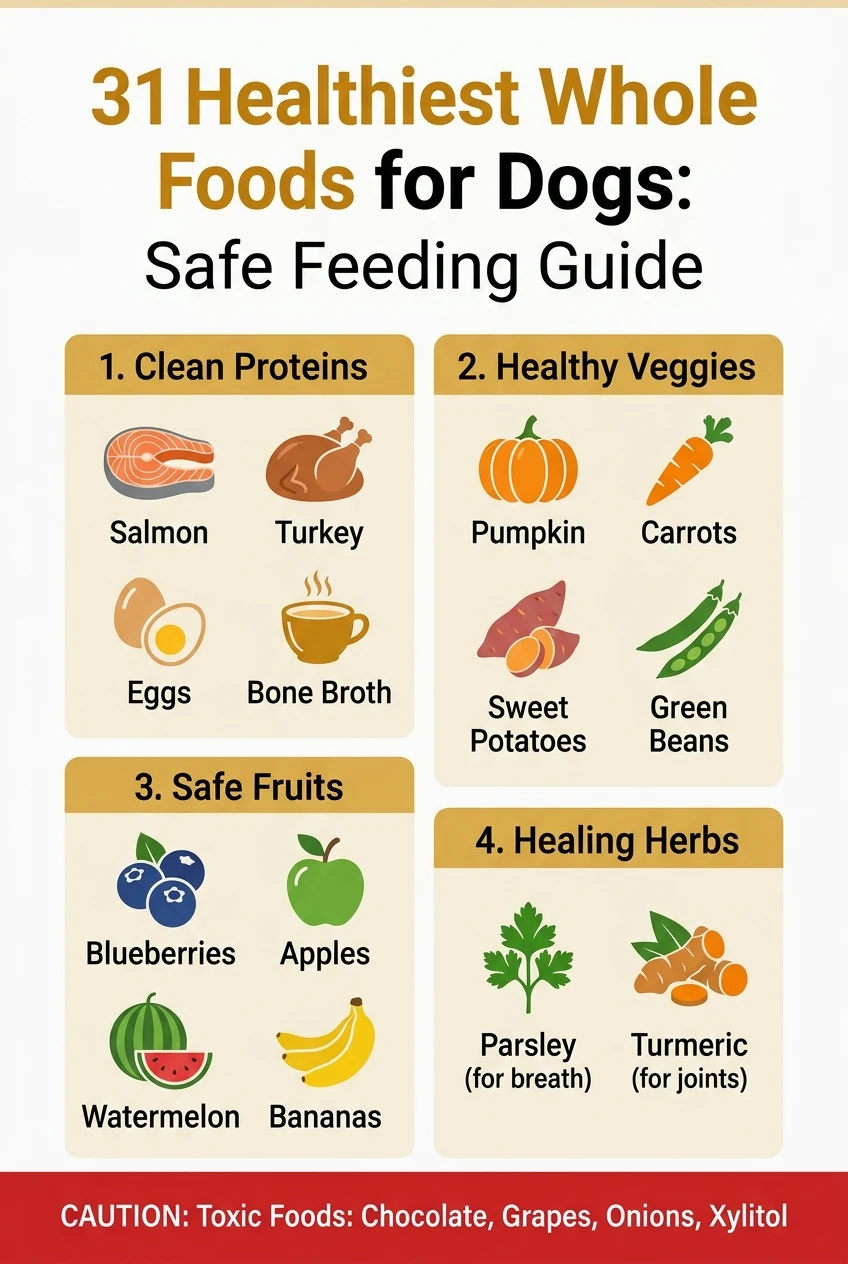
📋 Veterinary Nutrition Summary & Safe Feeding Key Takeaways
- Whole Food Synergy: Incorporating 10% to 20% fresh whole foods (cooked lean proteins, steamed fibrous vegetables, and antioxidant berries) into standard commercial kibble provides bioactive enzymes, phytonutrients, and live polyphenols.
- Anti-Inflammatory Lipids: Long-chain marine omega-3 fatty acids (EPA and DHA from wild salmon and sardines) downregulate pro-inflammatory eicosanoids, preserving canine joint cartilage and cognitive agility.
- Prebiotic Gut Diversity: Dog-safe prebiotic fibers (pumpkin, steamed carrots, inulin from dandelion greens) nourish beneficial canine bifidobacteria, firming stool and preventing dysbiosis.
- The Golden 10% Rule: Fresh food additions, treats, and meal toppers should never exceed 10% of your dog’s total daily caloric allowance to prevent disrupting complete and balanced AAFCO nutritional profiles.
Category 1: Clean Proteins & Healthy Fats (Foods 1 to 7)
Dogs are facultative carnivores whose bodies thrive on high-quality animal proteins and anti-inflammatory essential fatty acids.
- 1. Cooked Wild Salmon: Packed with bioavailable long-chain marine Omega-3 fatty acids (EPA and DHA). Peer-reviewed veterinary trials published in the American Journal of Veterinary Research (PubMed PMID: 22087720) demonstrate that dietary EPA and DHA significantly reduce synovial prostaglandin concentrations, improving weight-bearing comfort in dogs with osteoarthritis. Salmon also repairs dermal lipid barriers; for holistic topical strategies to soothe canine and human dermal flaking, see our guide on relieving dry, itchy skin and restoring barrier hydration. Always serve thoroughly cooked and deboned; never raw.
- 2. Plain Boiled Chicken Breast: An ultra-lean, highly digestible source of protein that provides essential amino acids for lean muscle maintenance. Perfect for dogs recovering from upset stomachs.
- 3. Lean Turkey: A light, hypoallergenic poultry option rich in phosphorus and B vitamins. Ensure it is skinless, unseasoned, and free of onion or garlic powders.
- 4. Plain Cooked Eggs: Nature’s complete multivitamin. Eggs provide high-bioavailability protein, riboflavin, selenium, and lutein. Cooked scrambled or hard-boiled eggs make an outstanding weekly meal topper.
- 5. Canned Sardines in Water: Small forage fish that sit low on the ocean food chain, meaning virtually zero heavy metal accumulation. A single sardine provides a massive burst of Omega-3s, calcium, and coenzyme Q10 for heart support.
- 6. Simmered Bone Broth: Rich in natural collagen, gelatin, glycine, and glucosamine. Bone broth lubricates aching canine joints, repairs delicate gut linings, and encourages sick or dehydrated dogs to drink fluids.
- 7. Plain Low-Fat Cottage Cheese: A gentle dairy treat offering easy-to-digest calcium, protein, and mild probiotics. Excellent for hiding pills, provided your dog is not strictly lactose intolerant.
Category 2: Digestive Vegetables & Fiber (Foods 8 to 15)
Vegetables supply vital phytonutrients, soluble fibers, and hydration that nourish beneficial gut bacteria and maintain ideal stool consistency.
- 8. Pure 100% Canned Pumpkin: The undisputed gold standard of canine digestive aids. Rich in soluble fiber, a spoonful of pure pumpkin resolves mild diarrhea by absorbing excess water and relieves constipation by softening stool. Ensure it is 100% pure pumpkin, never sugary spiced pie filling.
- 9. Baked Sweet Potatoes: Loaded with dietary fiber, vitamin B6, vitamin C, and beta-carotene. Sweet potatoes offer a gentle, steady release of energy for active dogs.
- 10. Steamed or Raw Carrots: Low in calories and high in fiber and vitamin A. Chewing on whole chilled carrots cleans tartar off teeth and gums while providing a satisfying, crunchy chew session.
- 11. Crisp Green Beans: Veterinarians frequently recommend green beans for overweight dogs on a diet. They fill up the stomach with fiber, iron, and vitamins K and C with almost zero calories.
- 12. Steamed Broccoli Florets: Contains sulforaphane, a potent cellular antioxidant. Feed in moderation (under 10% of the daily bowl) as excessive amounts of raw cruciferous veggies can cause harmless gas.
- 13. Lightly Cooked Spinach: Loaded with iron, lutein, and magnesium. Steaming spinach breaks down natural oxalates, making its mineral profile easily accessible to your pup.
- 14. Fresh Zucchini: High in moisture and gentle on sensitive digestions. Finely grated raw or steamed zucchini is an effortless way to hydrate dry kibble.
- 15. Sweet Green Peas: Fresh, frozen, or steamed peas supply plant protein, thiamine, and lutein for eye support. Avoid canned peas with added sodium.
Category 3: Antioxidant Superfruits (Foods 16 to 23)
Fresh fruits serve as nature’s high-value training treats, offering clean hydration and free-radical defense.
- 16. Fresh Blueberries: The ultimate canine brain superfood. Veterinary clinical research published in Veterinary Record (PubMed PMID: 29402517) confirms that dietary polyphenol and anthocyanin supplementation significantly elevates canine plasma antioxidant capacity, protecting working and aging dogs from exercise-induced oxidative stress and neurocognitive decline.
- 17. Crisp Apple Slices (Core & Seeds Removed): Rich in vitamin C and prebiotic pectin fiber. Always remove the apple core and seeds, as seeds contain trace cyanide compounds.
- 18. Seedless Watermelon: At 92% pure water content, chilled cubes of seedless watermelon are the perfect refreshing treat to prevent canine heat stroke during summer hikes.
- 19. Ripe Bananas: High in potassium, vitamin B6, and prebiotic fructooligosaccharides. Because bananas contain natural fruit sugars, serve in 1-to-2 inch coin portions as high-value rewards.
- 20. Fresh Strawberries: Contain an enzyme called malic acid, which helps naturally brighten and whiten dog teeth, alongside high vitamin C.
- 21. Sweet Cantaloupe: A hydrating melon loaded with beta-carotene that supports ocular health and a glossy coat.
- 22. Fresh or Unsweetened Cranberries: Helps prevent bacteria from adhering to the bladder wall, supporting dogs prone to urinary tract discomfort.
- 23. Seedless Blackberries & Raspberries: Packed with ellagic acid and anthocyanins that reduce systemic inflammation. Feed in small handfuls as a dessert topper.
Category 4: Gentle Grains & Super-Seeds (Foods 24 to 27)
Unless your dog has a clinically diagnosed grain allergy, whole ancient grains and seeds offer exceptional gut-soothing benefits:
- 24. Cooked Plain Oatmeal: Abundant in soluble beta-glucan fiber. A warm bowl of plain water-cooked oatmeal soothes the bowels and supports dogs with dry, itchy seasonal skin.
- 25. Steamed Brown Rice: Complex carbohydrates that digest smoothly, providing gentle fuel for dogs recovering from gastrointestinal bouts.
- 26. Chia Seeds: Tiny seeds that absorb up to 10 times their weight in water, providing sustained hydration and rich plant-based ALA Omega-3s. Sprinkle half a teaspoon over wet food.
- 27. Shelled Hemp Hearts: Boasts an ideal 3:1 ratio of Omega-6 to Omega-3 fatty acids, promoting rapid skin healing and joint comfort.
Category 5: Dog-Safe Healing Herbs & Superchargers (Foods 28 to 31)
Herbal medicine offers profound gentle support for canine digestion and hepatic filtration. Incorporating pet-safe botanical allies like dandelion root for liver and kidney detoxification provides natural inulin fiber and gentle diuretic cleansing. To ensure your pet’s daily diet meets all micronutrient demands without deficiencies, review our clinical guide on which essential vitamins and cofactors support mammalian longevity.
Herbalism is not just for humans. Certain gentle culinary botanicals offer remarkable preventive wellness for our pets:
- 28. Fresh Flat-Leaf Parsley: A natural breath freshener rich in chlorophyll that purifies the mouth and provides mild urinary tract flushing. (Note: Use curly or Italian flat-leaf parsley; avoid toxic spring parsley).
- 29. Golden Turmeric (Curcumin): One of nature’s most potent natural anti-inflammatories. When warmed with a healthy fat, turmeric significantly eases stiffness in arthritic canine hips and elbows.
- 30. Fresh Grated Ginger: Stimulates gastric motility, expels painful gas, and prevents motion sickness during long car rides. A pinch of grated fresh ginger in food works wonders.
- 31. Extra Virgin Organic Coconut Oil: Rich in medium-chain triglycerides (MCTs), particularly lauric acid. Coconut oil improves nutrient absorption, combats yeast on paws, and produces a mirror-like shine on the fur coat.
The Critical 10% Rule & Safe Feeding Practices
To keep your dog’s nutrition balanced, holistic veterinarians recommend following The 10% Treat Rule:
At least 90% of your dog’s daily caloric intake should come from a nutritionally complete and balanced diet. Fresh whole food toppers, healthy snacks, and safe treats should never exceed the remaining 10% of their total daily calories. This prevents nutrient imbalances while delivering all the living bio-nutrients fresh foods offer.
URGENT: The “Deadly 7” Foods You Must NEVER Feed Your Dog
While the 31 foods above are celebrated for canine health, certain human foods contain compounds that are rapidly toxic or fatal to dogs: In addition to food toxins, pet parents must remain vigilant regarding toxic botanical hazards around the home; review our pet toxicity checklist in our care guide on snake plant air purification and pet safety.
| Toxic Food | Why It Is Dangerous | Potential Medical Outcome |
|---|---|---|
| Grapes & Raisins | Contains tartaric acid toxic to canine renal tubules | Acute, sudden kidney failure (even from 1 or 2 grapes) |
| Onions, Garlic, Chives & Leeks | Contain N-propyl disulfide that attacks red blood cells | Hemolytic anemia and cellular oxygen starvation |
| Chocolate, Coffee & Caffeine | Contain methylxanthines (theobromine & caffeine) | Heart arrhythmias, severe seizures, death |
| Xylitol (Birch Bark Sweetener) | Triggers a massive, uncontrolled insulin surge | Fatal hypoglycemia and acute liver necrosis within hours |
| Macadamia Nuts | Unknown toxin that impairs canine motor function | Limb weakness, tremors, hypothermia, paralysis |
| Avocado Pit & Skin | Choking hazard; skin contains persin fungicidal toxin | Intestinal blockage, vomiting, myocardial damage |
| Cooked Bones | Cooking makes bones brittle and splintery | Perforation of the stomach wall or esophageal laceration |
Recommended Canine Nutrition & Digestion Essentials
If you want the benefits of fresh whole foods without spending hours chopping and prepping in the kitchen, here are three highly rated, vet-recommended canine staples:
Native Pet Organic Pumpkin Powder for Dogs
100% USDA organic dehydrated pumpkin and prebiotic pumpkin seed. Instantly rehydrates into pure pumpkin puree to stop diarrhea and relieve constipation.
Zesty Paws Wild Alaskan Salmon Oil Liquid
Pure, wild-caught salmon oil rich in EPA and DHA Omega-3s. A few pumps directly onto dry food eliminates itchy skin, stops shedding, and promotes a brilliant coat.
Blue Buffalo Health Bars Natural Crunchy Biscuits
Baked with real wholesome oatmeal, pumpkin, and cinnamon. Free of corn, wheat, soy, and artificial preservatives. The perfect wholesome daily reward.
Related Clinical Nutrition & Household Wellness Guides
- Snake Plant Care & Indoor Safety: Air Purification & Pet Toxicity Protocols
- Which Vitamins Are You Missing? Essential Micronutrients & Cellular Health
- Dandelion Root Healing Science: Hepatic Detoxification & Digestive Support
- Skin Barrier & Coat Relief: Dermal Hydration & Soothing Botanicals
- 10 Science-Backed Home Remedies: Evidence-Based Natural Solutions
Frequently Asked Questions
Can I feed my dog fresh whole foods every day?
Yes! In fact, adding as little as 10% to 20% fresh whole foods (such as steamed broccoli, blueberries, or a spoonful of pumpkin) to your dog’s daily kibble bowl has been shown in veterinary studies to significantly lower oxidative stress and improve longevity.
Should vegetables be served raw or cooked?
While raw carrots and cucumber slices make great crunchy dental treats, most vegetables (like sweet potatoes, pumpkin, broccoli, and spinach) should be lightly steamed, pureed, or baked. Dogs have shorter digestive tracts than humans; cooking breaks down tough plant cellulose walls, allowing them to absorb nutrients effortlessly.
What is the best food for a dog with an upset stomach?
The veterinary gold standard is a bland diet consisting of boiled white chicken breast (skinless, no seasoning) paired with plain white rice or a dollop of pure pumpkin puree for 48 to 72 hours.
Veterinary Disclaimer: This article is intended for educational purposes only and does not replace personalized professional veterinary diagnosis, dietary prescription, or medical treatment. Always consult your veterinarian before making significant modifications to your pet’s diet, especially if your dog has diabetes, pancreatitis, or chronic renal disease.