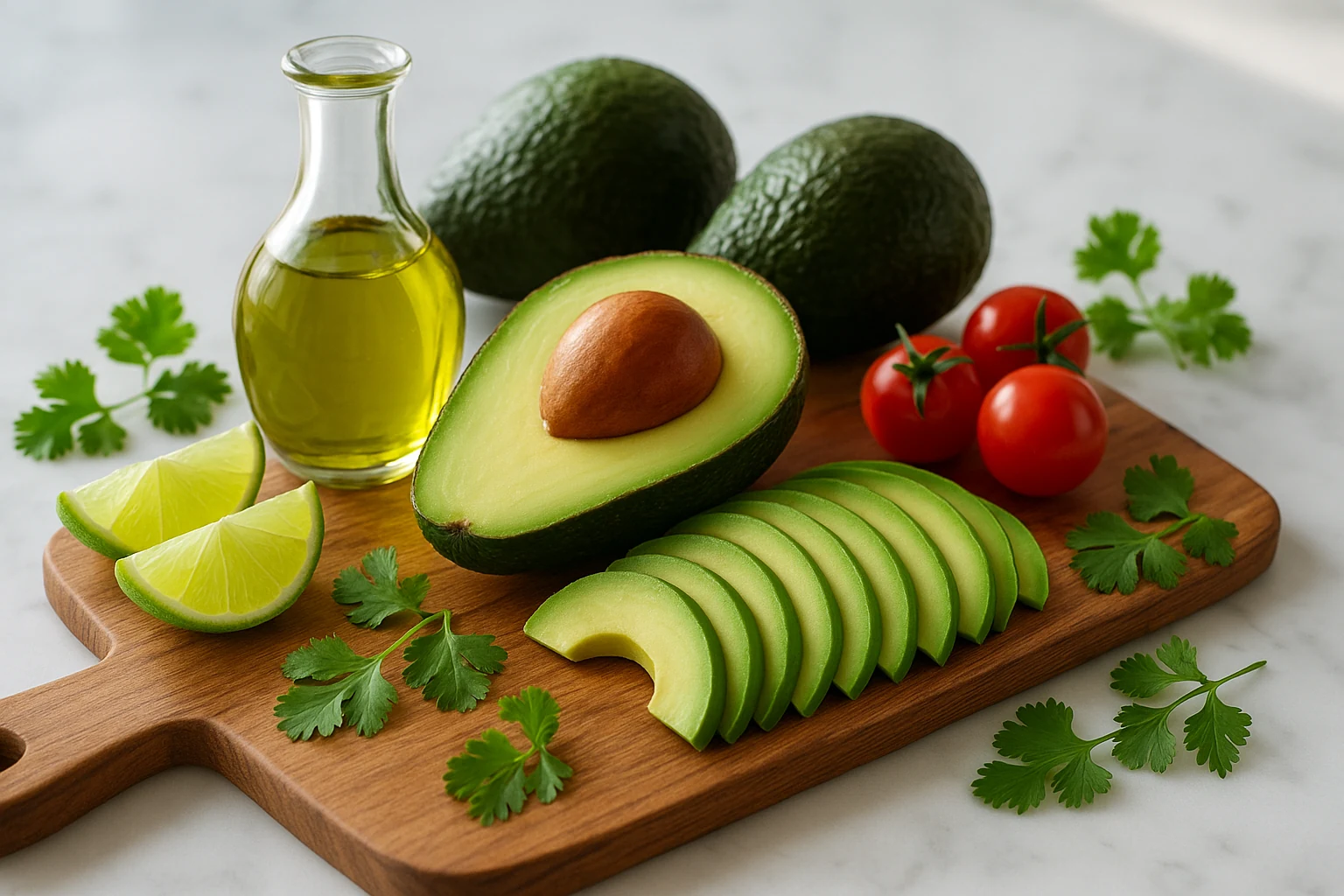
For decades, nutritional advice warned people with cardiovascular concerns to stay away from anything high in fat. Butter was banished, egg yolks were discarded, and rich foods were viewed with suspicion. But modern nutritional science has completely upended that outdated narrative—and standing proudly at the center of this healthy fat revolution is the humble, creamy avocado.
Once considered an exotic indulgence, avocados have become a global dietary staple. But beyond their irresistible velvety texture on morning toast, clinical research has confirmed a remarkable fact: incorporating just one fresh avocado into your daily diet can dramatically improve your cholesterol profile and shield your heart from arterial disease.
Whether you are actively working to bring your LDL numbers down, looking to reduce arterial inflammation, or simply searching for a delicious way to nourish your body, here is everything you need to know about the science, health benefits, and culinary secrets of avocados.
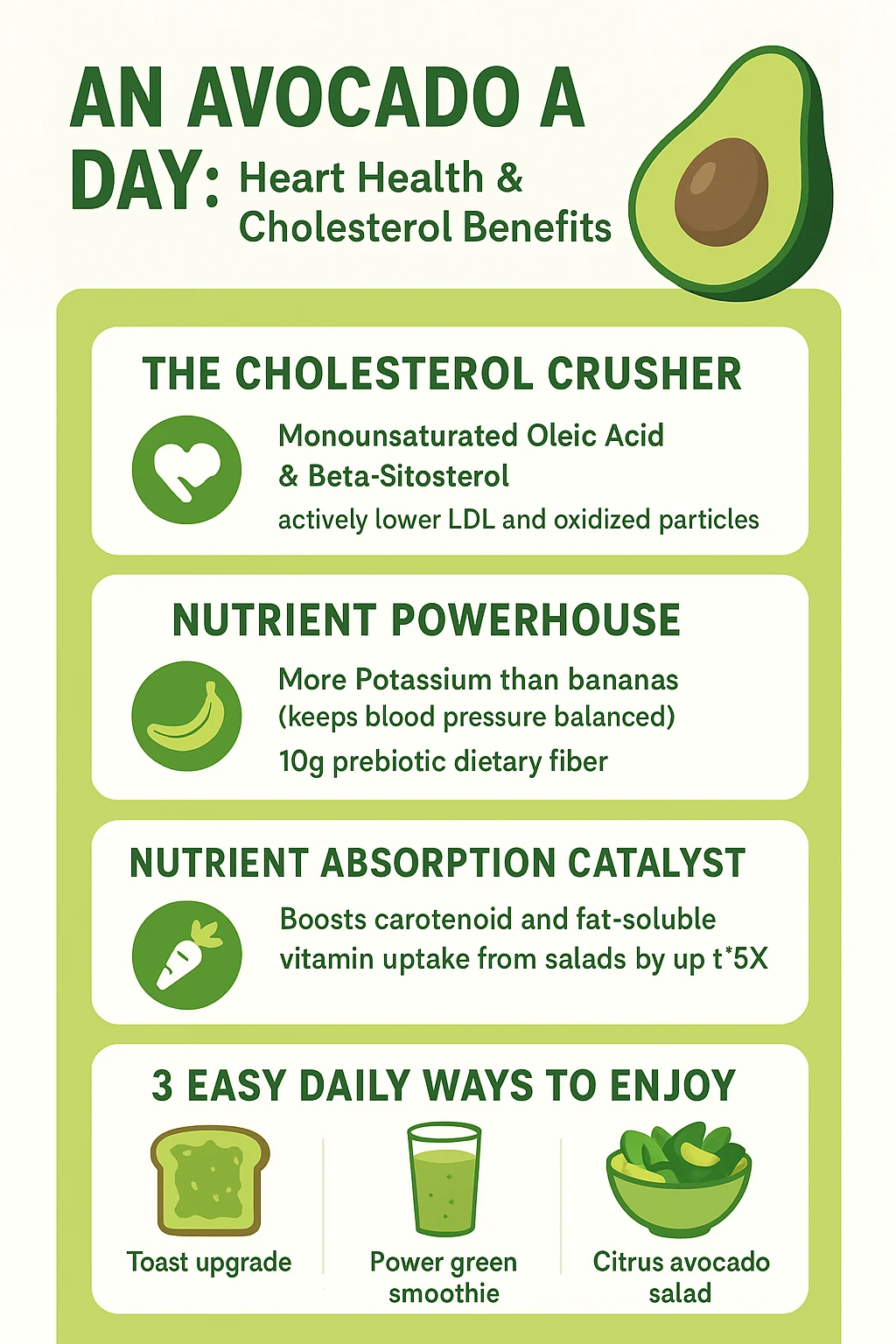
Quick Medical Summary: Rigorous clinical trials confirm that consuming one fresh avocado daily significantly improves cardiovascular lipid profiles by selectively reducing circulating oxidized low-density lipoprotein (oxLDL) and small, dense LDL particles. The heart-protective synergy of avocados stems from three bioavailable nutrients: oleic acid (a monounsaturated fatty acid that enhances cellular LDL clearance), beta-sitosterol (a plant sterol that competitively blocks intestinal cholesterol absorption), and prebiotic viscous soluble fiber that binds hepatic bile salts for excretion. Together, these bioactive compounds protect arterial endothelium against plaque instability, atherogenesis, and ischemic cardiovascular events.
1. The Landmark Penn State Study: What Happens When You Eat an Avocado Daily?
In a landmark randomized, controlled crossover trial conducted by researchers at Pennsylvania State University and published in the Journal of the American Heart Association (JAHA – PubMed), participants who replaced a portion of their daily saturated fat intake with one Hass avocado per day experienced significant cardiovascular improvements:
- Selective Reduction of Small, Dense LDL: Not all LDL (“bad”) cholesterol is created equal. Large, fluffy LDL particles float harmlessly through the bloodstream, while small, dense LDL particles penetrate arterial walls and trigger plaque build-up. The daily avocado regimen specifically targeted and reduced these dangerous small, dense LDL particles by a remarkable margin.
- Reduced Oxidized LDL Particles: Cholesterol only adheres aggressively to artery walls after it undergoes oxidation. The study found that avocado eaters had significantly fewer circulating oxidized LDL molecules, directly lowering their risk of atherosclerosis.
- Preserved HDL & Triglyceride Balance: Unlike strict ultra-low-fat diets that frequently depress beneficial HDL (“good”) cholesterol, the avocado diet sustained protective HDL levels while smoothing out blood lipid ratios.
Beyond LDL Mass: Reducing Atherogenic Oxidized LDL (oxLDL)
While standard lipid panels report total LDL cholesterol mass, cardiovascular risk is fundamentally determined by particle quality and oxidative vulnerability. In a landmark randomized controlled trial published in the Journal of Nutrition (PubMed PMID: 31652838), researchers demonstrated that daily avocado consumption significantly reduced circulating oxidized LDL (oxLDL) particles by 8.8% compared to baseline and markedly improved circulating antioxidant levels, notably lutein.
Small, dense LDL (sdLDL) particles easily penetrate damaged vascular endothelial walls into the subendothelial space. Once trapped, these particles undergo oxidative modification by reactive oxygen species (ROS), transforming into highly immunogenic oxLDL. Macrophages recognize oxLDL through scavenger receptors, engulfing the lipids until they transform into lipid-laden foam cells—the foundational core of unstable atherosclerotic plaques. By preventing LDL oxidation, bioactive compounds in avocados help arrest this cascade before plaque vulnerability leads to acute coronary thrombosis. To understand how plaque rupture precipitates acute cardiovascular crises, consult our comprehensive clinical guide on heart attack vs cardiac arrest warning signs and emergency protocols.
2. The Triple-Action Biological Trio Inside Every Avocado
How does a single fruit manage to outshine synthetic dietary supplements when it comes to blood lipid management? The answer lies in a synergistic biological trio packaged perfectly by nature:
1. Oleic Acid (Heart-Protective Monounsaturated Fat)
Approximately 77% of the calories in an avocado come from fat, but over two-thirds of that is oleic acid—the exact same heart-healthy monounsaturated fatty acid that gives extra-virgin olive oil its legendary Mediterranean status. Oleic acid calms vascular inflammation, improves arterial flexibility, and encourages the liver to clear excess cholesterol from circulation.
2. Beta-Sitosterol (The Natural Cholesterol Competitor)
Avocados are among the richest dietary sources of plant sterols (phytosterols), especially beta-sitosterol. Phytosterols share a molecular structure remarkably similar to cholesterol. When you eat an avocado alongside a meal, beta-sitosterol actively competes for absorption sites in your small intestine, effectively blocking dietary cholesterol from entering your bloodstream and escorting it out of the body naturally.
Biochemically, beta-sitosterol possesses a chemical structure virtually identical to cholesterol, differing only by an ethyl group at carbon-24. When present simultaneously in the duodenum, beta-sitosterol competitively displaces dietary and biliary cholesterol from mixed bile salt micelles, blocking cellular uptake via the enterocyte Niemann-Pick C1-Like 1 (NPC1L1) transporter protein. Unabsorbed cholesterol is subsequently excreted via the gastrointestinal tract.
This reduction in intestinal cholesterol delivery signals hepatic sterol regulatory element-binding protein 2 (SREBP-2) to upregulate hepatic LDL receptors (LDLR). These newly expressed receptors actively clear circulating apolipoprotein B-100 (ApoB) particles from the bloodstream, preventing arterial lipid accumulation. Maintaining patent, elastic coronary arteries is essential for myocardial perfusion; learn how impaired coronary blood flow produces chest distress in our detailed guide to angina symptoms, microvascular spasms, and natural therapies.
3. Viscous Prebiotic Soluble Fiber
Many people assume creamy foods are devoid of dietary fiber. On the contrary, a medium avocado packs nearly 10 grams of dietary fiber—delivering both insoluble and soluble forms. Soluble fiber forms a gel-like sponge in your digestive tract that binds to cholesterol-rich bile acids, forcing your liver to consume its own cholesterol stores to produce new bile.
3. Beyond Cholesterol: 5 Hidden Health Superpowers
While cardiovascular protection is its claim to fame, eating avocado delivers extraordinary full-body dividends:
- More Potassium Than Two Bananas: A medium avocado delivers approximately 700 mg of potassium (15% of your daily value), easily surpassing a standard banana (~420 mg). Potassium balances sodium levels, relaxes arterial walls, and keeps resting blood pressure in a healthy range.
- The “Nutrient Absorption Booster”: Many essential antioxidants—like beta-carotene in carrots, lycopene in tomatoes, and lutein in spinach—are fat-soluble. Clinical trials demonstrate that adding just a quarter of an avocado to a salad can increase carotenoid absorption into your bloodstream by 400% to 1,500%.
- Sustained Satiety & Blood Sugar Control: The high fiber and healthy fat combination blunts insulin spikes and prolongs fullness. Studies show people who add avocado to lunch report a 40% reduction in the desire to snack over the following three to five hours.
- Ocular & Cognitive Protection: Avocados are rich in lutein and zeaxanthin, two yellow-pigmented antioxidants that concentrate directly in the macula of the eye, protecting vision against blue light damage and age-related decline.
- Microbiome Enrichment: Emerging research reveals that daily avocado intake significantly increases the diversity of beneficial gut bacteria—especially microbes that produce anti-inflammatory short-chain fatty acids (SCFAs) like butyrate.
Vascular Endothelial Health & Blood Pressure Optimization
Beyond lipid lowering, avocados deliver high concentrations of potassium (approximately 485 mg per 100 grams) alongside bioavailable magnesium and folate. This specific mineral matrix promotes vascular smooth muscle relaxation and stimulates endothelial nitric oxide synthase (eNOS), the enzyme responsible for producing nitric oxide (NO). Bioactive nitric oxide diffuses into vascular smooth muscle, activating guanylate cyclase to trigger arterial vasodilation and reduce systemic peripheral resistance.
For individuals managing elevated arterial pressure alongside dyslipidemia, dietary avocado acts synergistically with proven lifestyle interventions. Explore our evidence-based clinical guide on natural home remedies for rapid blood pressure reduction, discover comprehensive lifestyle habits in our review of how to optimize blood pressure naturally, or explore botanical hypotensive therapies in our 30 best herbs for high blood pressure.
4. Avocado vs. Common Culinary Fats: The Reality Check
Swapping conventional kitchen spreads and dressings for fresh avocado is one of the easiest ways to upgrade your daily nutrient intake:
| Fat Source (100g) | Predominant Fat Type | Dietary Fiber | Cholesterol | Key Micronutrients |
|---|---|---|---|---|
| Fresh Avocado | Monounsaturated (Oleic acid) | 7 g | 0 mg | Potassium, Folate, Vitamin E, Lutein |
| Commercial Butter | Saturated fat & trans traces | 0 g | 215 mg | Vitamin A traces, high sodium |
| Mayonnaise | Refined Polyunsaturated (Soy/Canola) | 0 g | 42 mg | Added sugars, high preservatives |
| Extra Virgin Olive Oil | Monounsaturated | 0 g | 0 mg | Polyphenols, Vitamin E |
5. 3 Effortless Ways to Eat an Avocado Every Day
You do not need complicated gourmet recipes to reap the daily cardiovascular benefits of avocados. Here are three simple, 5-minute kitchen ideas:
- The Golden Artisanal Toast: Mash half an avocado on a thick slice of toasted sourdough or sprouted grain bread. Drizzle with extra virgin olive oil, a squeeze of fresh lemon juice, a pinch of Himalayan pink salt, and a sprinkle of hemp hearts or crushed red pepper flakes.
- The Velvet Morning Smoothie: Add one-quarter to one-half of a frozen ripe avocado to your morning smoothie (paired with baby spinach, green apple, cucumber, and ginger). It replaces dairy yogurt, giving the smoothie a rich milkshake-like consistency without altering the fruit flavors.
- Authentic Mediterranean Guacamole: Dice a whole avocado and gently toss it with halved cherry tomatoes, finely minced red onion, chopped fresh cilantro, diced Persian cucumber, and fresh lime juice. Use it as a vibrant topping for baked wild salmon, grain bowls, or scrambled eggs.
6. Recommended Kitchen & Healthy Lifestyle Essentials
To make prepping and enjoying avocados effortless, here are three highly rated, practical essentials:
Chosen Foods 100% Pure Avocado Oil (1L)
Naturally refined, non-GMO, and boasting a 500°F smoke point. Perfect for high-heat cooking, roasting veggies, and whisking into heart-healthy homemade dressings.
OXO Good Grips 3-in-1 Avocado Slicer Tool
Safely split, pit, and slice fresh avocados into perfect uniform slices in seconds. Eliminates kitchen knife accidents and keeps your hands clean.
Eco-Friendly Silicone Avocado Huggers
Keep leftover avocado halves fresh, vibrant, and green for up to 72 hours. Creates an airtight seal over the flesh to eliminate oxidation without plastic wrap.
For more portion-controlled, nutrient-packed snack ideas that stabilize blood glucose, check out our guide to 25 healthy 100-calorie snacks.
Related Clinical Cardiovascular & Circulation Guides
Deepen your understanding of cardiovascular wellness, lipid metabolism, and arterial protection with our clinical guides:
- Angina Pectoris Guide: Symptoms, Causes, Treatment & Natural Vascular Support
- Heart Attack vs Cardiac Arrest: Warning Signs, Critical Differences & Emergency Steps
- Rapid Blood Pressure Reduction: Evidence-Based Natural Protocols for Hypertension Spikes
- 30 Best Herbs for High Blood Pressure: Complete Evidence-Based Botanical Compendium
Frequently Asked Questions
Will eating an avocado every day cause weight gain?
No. Multiple clinical trials spanning several years have demonstrated that adults who eat an avocado daily do not experience weight gain compared to control groups. The high fiber and monounsaturated fat promote satiety, naturally reducing overeating later in the day.
How do I stop a cut avocado from turning brown?
Avocados turn brown when polyphenol oxidase enzymes react with ambient oxygen. To prevent browning, leave the pit inside the unused half, brush the surface lightly with lemon or lime juice (the citric acid slows enzymatic browning), press parchment paper directly against the flesh, and refrigerate in an airtight container.
Which avocado variety has more heart-healthy fats: Hass or Florida?
Hass avocados (the dark, pebbly-skinned variety) have significantly higher concentrations of monounsaturated fats (around 20 grams of fat per cup) and a creamier texture. Florida avocados (large, bright green, smooth-skinned) contain higher water content and about half the fat content per ounce.
Medical Disclaimer: This article is intended for educational purposes only and does not constitute individual medical diagnosis, dietary prescription, or medical advice. Individuals with kidney conditions requiring potassium restrictions or those taking blood thinners should consult their healthcare team regarding dietary potassium and vitamin K intake.