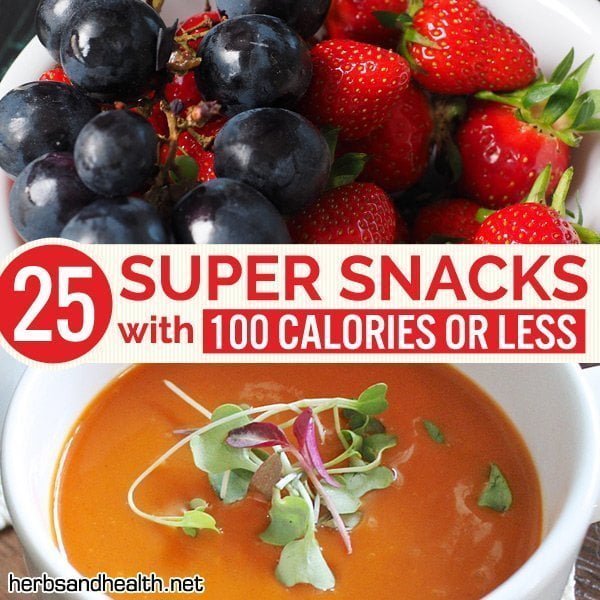
Introduction: 25 Super Snacks With 100 Calories Or Less
Looking for satisfying snacks under 100 calories that won’t derail your day? This guide collects 25 simple, portion-controlled options—fruit, veggies, protein, crunchy bites and a few sweet treats—each sized to be about 100 calories or less. Calorie estimates are given as approximate values (raw or unsweetened forms, typical supermarket portions) and assume single servings; see the “How We Selected” section for methodology and assumptions.
Why Choose Snacks With 100 Calories Or Less?
Snacks under 100 calories help with portion control, reduce the risk of overeating at the next meal, and make it easier to include nutrient-dense foods like fruit, vegetables and lean protein. Small, balanced snacks that combine fiber or protein with water-rich ingredients can increase satiety without a big calorie load—useful for steady energy between meals and for weight-management plans.
How We Selected These 25 Super Snacks
Each snack was chosen for its balance of accessibility, nutrient value (fiber, protein, healthy fats or water), and ease of portioning to stay at or below ~100 calories per serving. Calorie figures are approximate and based on common serving sizes (grams or household measures) for raw/unflavored items or typical low-sodium/low-fat versions. When values vary by brand or preparation, we list a realistic range and note assumptions. For clinical or individualized diet advice consult a registered dietitian or your healthcare provider.
Top 25 Super Snacks Under 100 Calories (At-a-Glance List)
- 3/4 cup grapes (about 100 g) — ~70 kcal
- 1 cup low-sodium tomato soup (homemade) — ~90 kcal
- 10 baby carrots + 2 tbsp hummus — ~100 kcal
- 3/4 cup mango cubes — ~90 kcal
- Blueberry smoothie (2/3 cup blueberries + 1/3 cup low-fat Greek yogurt) — ~90–95 kcal
- 3/4 cup apple slices + 1 tsp peanut butter — ~95–100 kcal
- 1 large hard-boiled egg — ~70 kcal
- 1/2 cup low-fat Greek yogurt + 1 tsp honey — ~90 kcal
- 14 almonds — ~95–100 kcal
- 20 pistachios (in-shell) — ~80 kcal
- 3 cups air-popped popcorn — ~90–100 kcal
- 1/4 cup roasted chickpeas — ~100 kcal
- 1/2 cup shelled edamame — ~95–100 kcal
- 1 string cheese (part-skim mozzarella) — ~70–80 kcal
- 1/2 cup low-fat cottage cheese with cherry tomatoes — ~90 kcal
- 1 small banana (about 6 inches) — ~90 kcal
- 2 squares (about 20 g) dark chocolate 70% — ~100 kcal
- 1/2 cup mango sorbet — ~80–90 kcal
- 1 rice cake + 1 tsp almond butter — ~90–100 kcal
- 1 tbsp peanut butter + 3 celery sticks — ~95 kcal
- 1 mini whole-grain tortilla roll with 1 oz turkey — ~90 kcal
- 1/2 cup canned tomato (soup alternative) with herbs — ~70–90 kcal
- 1 small pear — ~85–95 kcal
- Small serving of frozen banana “nice cream” (1/2 banana blended) — ~60–80 kcal
- 1 small pack (about 30 g) roasted seaweed sheets + cucumber slices — ~15–25 kcal
Fruit & Veggie Snacks Under 100 Calories
Grapes
- Serving: 3/4 cup (about 100 g)
- Calories: ~70 kcal (approx.; raw grapes)
- Why it’s good: Hydrating, contains fiber and polyphenols that support general health.
- Quick tip: Wash and chill for a refreshing grab-and-go snack.
- Warnings: Natural sugars; portion control matters for blood-sugar sensitive individuals.
Tomato Soup (Low-sodium, homemade)
- Serving: 1 cup (240 ml), homemade or low-sodium ready-made
- Calories: ~80–95 kcal (depends on recipe)
- Why it’s good: Rich in vitamin C and lycopene; warm soups can be satiating with few calories.
- Quick tip: Make a large batch, freeze in single-serve portions for easy reheating.
- Warnings: Check sodium on canned varieties.
Baby Carrots + Hummus
- Serving: 10 baby carrots + 2 tbsp hummus
- Calories: ~100 kcal
- Why it’s good: Fiber, beta-carotene and plant-protein from chickpea-based hummus.
- Quick tip: Portion hummus in a small container to avoid over-dipping.
- Warnings: Hummus contains sesame in some brands (tahini).
Mango Cubes
- Serving: 3/4 cup diced mango
- Calories: ~85–95 kcal
- Why it’s good: High in vitamin C and a sweet, low-fat option that satisfies sugar cravings.
- Quick tip: Freeze cubes for homemade pops or to add to smoothies.
- Warnings: Fresh is best; canned in syrup adds extra sugar.
Protein & Dairy Snacks Under 100 Calories
Hard-Boiled Egg
- Serving: 1 large egg
- Calories: ~70 kcal
- Why it’s good: High-quality protein and nutrients like choline to help keep you full.
- Quick tip: Make a batch at the start of the week for fast snacks.
- Warnings: Contains egg allergen.
Low-Fat Greek Yogurt + Honey
- Serving: 1/2 cup low-fat plain Greek yogurt + 1 tsp honey
- Calories: ~85–95 kcal
- Why it’s good: High in protein and probiotics (if labeled) to support digestion.
- Quick tip: Swap honey for a few fresh berries to reduce added sugar; see related content on probiotic drinks like probiotic lemonade for gut-friendly options.
- Warnings: Check labels for added sugars in flavored yogurts.
Low-Fat Cottage Cheese With Cherry Tomatoes
- Serving: 1/2 cup low-fat cottage cheese + few cherry tomatoes
- Calories: ~90 kcal
- Why it’s good: Casein protein supports satiety; tomatoes add vitamin C and flavor.
- Quick tip: Season with black pepper and herbs instead of salt.
- Warnings: Dairy allergen.
Nuts, Seeds & Crunchy Snacks Under 100 Calories
14 Almonds
- Serving: About 14 whole almonds
- Calories: ~95–100 kcal
- Why it’s good: Provides fiber, protein and healthy monounsaturated fats that slow hunger.
- Quick tip: Pre-portion into small bags to avoid overeating.
- Warnings: Tree-nut allergen.
20 Pistachios (In-Shell)
- Serving: 20 pistachios in-shell
- Calories: ~80–100 kcal
- Why it’s good: The shelling ritual slows eating and can help portion control; contains healthy fats and some protein.
- Quick tip: Choose dry-roasted or raw to limit added oil or salt.
- Warnings: Tree-nut allergen.
Air-Popped Popcorn
- Serving: 3 cups air-popped
- Calories: ~90–100 kcal
- Why it’s good: Whole grain, high-volume snack that’s low in calories when not doused in butter.
- Quick tip: Season with spices (paprika, nutritional yeast) instead of melted butter.
- Warnings: Beware flavored microwave varieties for added fats and sodium.
Roasted Chickpeas
- Serving: 1/4 cup roasted chickpeas
- Calories: ~100 kcal
- Why it’s good: Crunchy, fiber-and-protein-dense plant snack that keeps you satisfied.
- Quick tip: Make a batch with spices and store in an airtight container.
- Warnings: Legume allergen for some people.
Sweet Treats & Low-Cal Desserts (100 Calories Or Less)
Small Banana
- Serving: 1 small banana (about 6 inches)
- Calories: ~90 kcal
- Why it’s good: Portable, provides potassium and quick energy; naturally sweet.
- Quick tip: Freeze and blend for a low-calorie treat (nice cream).
- Warnings: Natural sugar—monitor portions if watching blood sugar.
Dark Chocolate (Two Small Squares)
- Serving: ~20 g dark chocolate (70% cacao)
- Calories: ~100 kcal
- Why it’s good: Satisfying small portion that can curb sweet cravings; choose higher cocoa for more flavor with less sugar.
- Quick tip: Pair with a few raspberries to increase volume and fiber.
- Warnings: Contains cocoa and possible dairy or soy depending on brand.
Mango Sorbet (Half Cup)
- Serving: 1/2 cup mango sorbet
- Calories: ~80–95 kcal
- Why it’s good: Lower-calorie frozen option when you want something cold and sweet.
- Quick tip: Check ingredient lists—choose sorbets with minimal added sugar when possible.
- Warnings: Added sugar in some commercial varieties.
On-the-Go & Packable 100-Calorie Snacks
Rice Cake + 1 tsp Almond Butter
- Serving: 1 plain rice cake + 1 tsp almond butter
- Calories: ~90–100 kcal
- Why it’s good: Crunchy, quick to pack and provides a small amount of healthy fat to blunt hunger.
- Quick tip: Use single-serve nut spread packets for travel portions.
- Warnings: Nut allergen.
Peanut Butter + Celery
- Serving: 1 tbsp peanut butter + 3 celery sticks
- Calories: ~95 kcal
- Why it’s good: Pairing fat and fiber helps keep hunger at bay between meals.
- Quick tip: Choose natural peanut butter with no added sugars.
- Warnings: Peanut allergen.
Mini Whole-Grain Tortilla With Turkey
- Serving: 1 mini whole-grain tortilla + 1 oz sliced turkey
- Calories: ~85–95 kcal
- Why it’s good: Portable source of lean protein that’s easy to eat on the move.
- Quick tip: Add cucumber slices or lettuce for extra volume with minimal calories.
- Warnings: Processed deli meats can be high in sodium—choose low-sodium options.
How to Make Small 100-Calorie Portions Feel More Satisfying
Maximize satisfaction by combining fiber, protein and water-rich foods (e.g., apple slices + turkey, yogurt + berries). Eat slowly, put away screens, and drink a glass of water with your snack—small behavioral changes make small portions feel bigger. Timing matters: a nutrient-dense 100-calorie snack 2–3 hours before a meal can prevent overeating later.
Snack Swaps, Customizations & Serving Tips
If you want more protein, swap a fruit option for a dairy or legume-based choice (e.g., grapes → 1/2 cup cottage cheese). To reduce sugar, choose plain yogurt and add fresh fruit rather than flavored varieties. For fiber and digestion support, consider snacks like grapes, carrots and almonds (see our article on fiber and digestion for more guidance).
Storage, Prep & Safety Tips For 100-Calorie Snacks
Pre-portion snacks into small containers or resealable bags to avoid accidental overeating. Store perishable items (yogurt, cheese, sliced fruit) in the fridge and follow package dates. Label homemade portions with the prep date and consume within recommended times. For school or workplace packing, keep cold items in an insulated lunch bag with an ice pack.
Frequently Asked Questions About 100-Calorie Snacks
Are 100-calorie snacks useful for weight loss?
They can be—when used to control portions and chosen for nutrient density (protein, fiber). But the total daily calorie balance matters more than any single snack. Use 100-calorie snacks as part of an overall balanced plan.
How accurate are the calorie estimates?
Estimates are approximate and based on common serving sizes for raw or unsweetened items. Variations by brand, preparation, or portion will change the calories—measure portions if you need precise tracking.
What if I have dietary restrictions?
Many options are adaptable: choose dairy-free yogurts, swap nuts for seeds, or select low-sodium deli meats. If you have a medical condition (diabetes, food allergies, IBS), consult a healthcare provider or a registered dietitian—see our guide on IBS and gut health for additional context.
Author, Review & Disclaimer
Written by the Herbs & Health editorial team. Content reviewed for nutritional accuracy by a registered dietitian. Last updated: 2026-10-19.
Disclaimer: This article is for informational purposes and does not replace medical advice. Consult your healthcare provider for personalized dietary recommendations. Check product labels for allergens (nuts, dairy, soy, sesame, gluten) and sodium content where applicable.
Conclusion: Make 100-Calorie Snacks Work For Your Goals
Small, smart snacks under 100 calories can be convenient, nutritious and compatible with weight-management or energy-stabilizing goals. Use the portion ideas here as a starting point—pre-portion when possible, choose high-fiber or protein-containing options, and adapt choices to your tastes and dietary needs. For more low-calorie beverage pairings, consider tea or probiotic drinks like probiotic lemonade as a refreshing complement to these snacks.