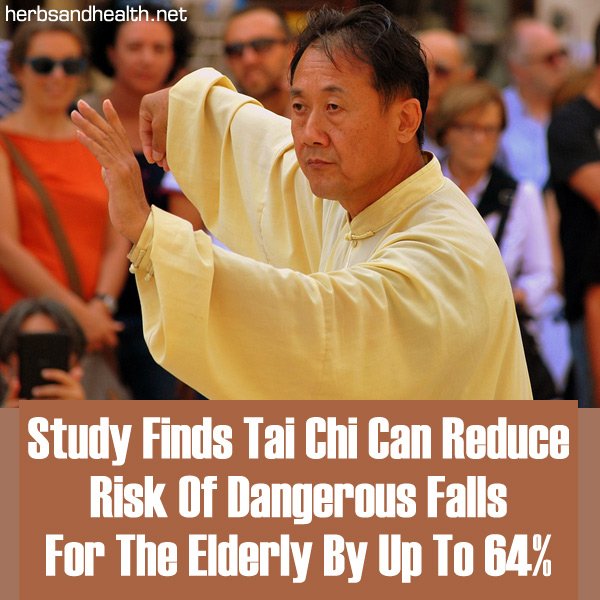
Study finds Tai Chi reduces risk of dangerous falls for older adults by up to 64%
Focus: tai chi for fall prevention in elderly
Key takeaway: Tai Chi can cut fall risk by up to 64% in older adults
Multiple randomized trials combined in a 2017 systematic review and subsequent research found that regular Tai Chi practice was associated with substantially lower fall rates in older adults—reported reductions reached as much as 64% in some analyses. For older adults and caregivers, Tai Chi is an evidence-backed, low‑impact option to improve balance and reduce the chance of a dangerous fall when practiced regularly and safely.
How the study was done: design, participants and analysis
The headline finding comes from a systematic review and meta-analysis of randomized trials comparing Tai Chi to usual care or other controls in community-dwelling older adults. Included trials typically enrolled adults aged 60+ and pooled results across studies to estimate overall effect on fall incidence. Review authors adjusted for differences in intervention frequency, duration and Tai Chi style where possible. Individual trials ranged from shorter programs (several weeks) to ongoing group classes.
Interpreting the 64% reduction: absolute vs. relative risk
A reported “up to 64%” reduction usually refers to relative risk: the proportional decrease in the number of people who fall in the Tai Chi group compared to control. Absolute risk reduction depends on baseline fall risk. For example, if 20 out of 100 older adults fall in a year without Tai Chi, a 50% relative reduction would lower that to about 10 out of 100. Ask an instructor or clinician to estimate personal benefit based on individual fall history and health status.
Why Tai Chi helps prevent falls: balance, strength and proprioception
Tai Chi combines slow, controlled weight shifts, standing posture, and coordinated movements that train balance, leg strength (including knee extension), gait stability and body awareness (proprioception). The practice also emphasizes breathing, focused attention and relaxation, which can improve reaction times and reduce fear of falling—factors that indirectly reduce fall risk.
Practical advice: starting Tai Chi safely for older adults
- Begin with a program tailored for older adults or fall prevention rather than general martial forms.
- Typical effective programs: 45–60 minute group classes, 2–3 times per week, continued for at least 12 weeks. Continued practice sustains benefit.
- Choose instructors experienced in working with older adults or those certified in fall-prevention adaptations.
- Use chair-modified routines if standing balance is limited; start seated and progress under supervision.
- Always warm up, wear non‑slip shoes, and clear a safe practice space at home.
Who should try Tai Chi — benefits, contraindications and precautions
Tai Chi is appropriate for many older adults, including those who are sedentary, because it is low impact. It can benefit people with balance deficits, mild-to-moderate joint pain, or fear of falling. People with severe mobility limitations, unstable cardiovascular conditions, uncontrolled hypertension, severe vertigo, or advanced cognitive impairment should consult a clinician before starting. Stop and seek medical advice if you experience chest pain, sudden dizziness, or new neurological symptoms during practice.
Limitations and unanswered questions: what the study didn’t show
Systematic reviews pool diverse trials with varying Tai Chi styles, session lengths and participant profiles. That heterogeneity limits how precisely we can predict personal outcomes. Many trials enrolled generally healthy community-dwelling older adults, so results may not fully apply to frail seniors, nursing-home residents, or those with complex comorbidities. Long-term adherence and the optimal “dose” of Tai Chi remain areas for further research.
Recommendations for clinicians and caregivers
- Consider recommending Tai Chi as part of a multifactorial fall-prevention plan that includes vision checks, medication review, home safety modifications and strength/balance training.
- Refer patients to local community programs or qualified instructors; consider brief supervised sessions before encouraging home practice.
- Monitor progress and document fall events to assess effectiveness over time.
Further reading, resources and where to find Tai Chi classes
Look for community centers, senior centers, local hospitals, and area YMCA/YWCA programs offering Tai Chi for older adults. Online class options have proliferated, but for beginners choose live classes or an initial assessment with an instructor to ensure safety. For complementary wellness options that support relaxation and balance, see resources on essential oils for relaxation and balance and the benefits of tea for relaxation and mental well-being. Readers managing cardiovascular risk or inflammation may also find information on herbs that may support cardiovascular health and moringa’s anti-inflammatory properties useful.
Medical disclaimer: This article summarizes published research and is for educational purposes only. Consult a healthcare provider before starting a new exercise program, especially if you have chronic medical conditions.
Author: Herbs & Health editorial team. Last reviewed: 2026-10-19. Clinical review recommended.