Quick Medical Summary: Angina pectoris is the hallmark clinical symptom of transient myocardial ischemia—occurring when the oxygen requirements of the heart muscle outstrip coronary arterial blood flow. While stable angina presents as predictable chest tightness during physical exertion or acute emotional stress that resolves within minutes of rest or sublingual nitroglycerin, unstable angina represents a medical emergency signaling an unstable atherosclerotic plaque and impending myocardial infarction. Clinical management requires urgent medical risk stratification, diagnostic electrocardiography and biomarkers, evidence-based pharmacotherapy (beta-blockers, nitrates, and antiplatelets), and long-term cardiovascular risk reduction through targeted endothelial support, lifestyle changes, and cardiotonic micronutrients.
What is Angina Pectoris? The Ischemic Cascade Explained
The human heart beats approximately 100,000 times each day to circulate oxygenated blood throughout the body. Unlike skeletal muscle, which tolerates temporary anaerobic metabolism, cardiac myocytes rely almost exclusively on continuous aerobic respiration to generate adenosine triphosphate (ATP). The myocardium extracts 70% to 80% of arterial oxygen even at baseline rest.
Consequently, when cardiac workload spikes—driven by physical exertion, systemic hypertension, cold exposure, or emotional stress—the heart cannot extract substantially more oxygen per unit of blood. Instead, it must rely on coronary vasodilation to increase total blood flow up to fivefold via endothelial nitric oxide (NO) signaling.
When epicardial coronary arteries narrow due to atherosclerotic plaque or microvascular spasm, luminal obstruction exceeding 70% prevents adequate compensatory vasodilation during stress. This triggers the myocardial ischemic cascade:
- Perfusion Imbalance: Subendocardial blood flow drops below the metabolic threshold required by working myocytes.
- Metabolic Switch: Deprived of oxygen, myocytes switch to anaerobic glycolysis, causing rapid accumulation of lactic acid, hydrogen ions, and adenosine.
- Mechanical Dysfunction: Diastolic relaxation stiffens first, followed swiftly by localized systolic wall-motion abnormalities and impaired ejection fraction.
- Electrical Alterations: Hypoxia alters cardiac membrane potentials, producing ST-segment depression or T-wave inversion on an electrocardiogram (ECG).
- Nociceptive Sensation: Ischemic metabolites stimulate cardiac sympathetic afferent nerve fibers (C-fibers and A-delta fibers), transmitting pain signals through thoracic ganglia (T1–T5) to manifest as classic anginal chest distress.
Clinical Classification: Stable, Unstable, Variant, and Microvascular Angina
Because clinical prognosis and management protocols differ radically across underlying cardiovascular mechanisms, cardiologists categorize angina into four distinct pathophysiological phenotypes:
| Angina Classification | Underlying Pathophysiology | Clinical Presentation & Triggers | Relief Mechanism & Urgency |
|---|---|---|---|
| Stable Angina (Angina Pectoris) | Fixed atherosclerotic stenosis (>70% lumen narrowing); stable fibrous cap. | Predictable chest tightness provoked by exercise, heavy meals, or emotional stress; lasts 2–10 minutes. | Resolves within 5 minutes of physical rest or sublingual nitroglycerin; elective outpatient cardiology management. |
| Unstable Angina (Acute Coronary Syndrome) | Plaque disruption, surface erosion, or non-occlusive mural thrombus formation. | Occurs at rest, manifests with new-onset severity (CCS Class III/IV), or accelerates in frequency/duration. | Does not resolve reliably with rest; high risk of progression to full myocardial infarction; immediate 911 / ER evaluation. |
| Variant (Prinzmetal) Angina | Focal or diffuse epicardial coronary artery vasospasm; often independent of stenosis. | Cyclic, severe chest spasms occurring predominantly at rest between midnight and early morning; often in smokers. | Responsive to rapid-acting nitrates and calcium channel blockers; transient ST-segment elevations during attack. |
| Microvascular Angina (Syndrome X) | Endothelial dysfunction in coronary microvasculature (<500 μm arterioles); impaired dilation. | Chest pain during exertion that may linger for 15–30 minutes post-exercise; common in postmenopausal women. | Sublingual nitrates may provide incomplete relief; requires targeted endothelial rehabilitation and metabolic therapies. |
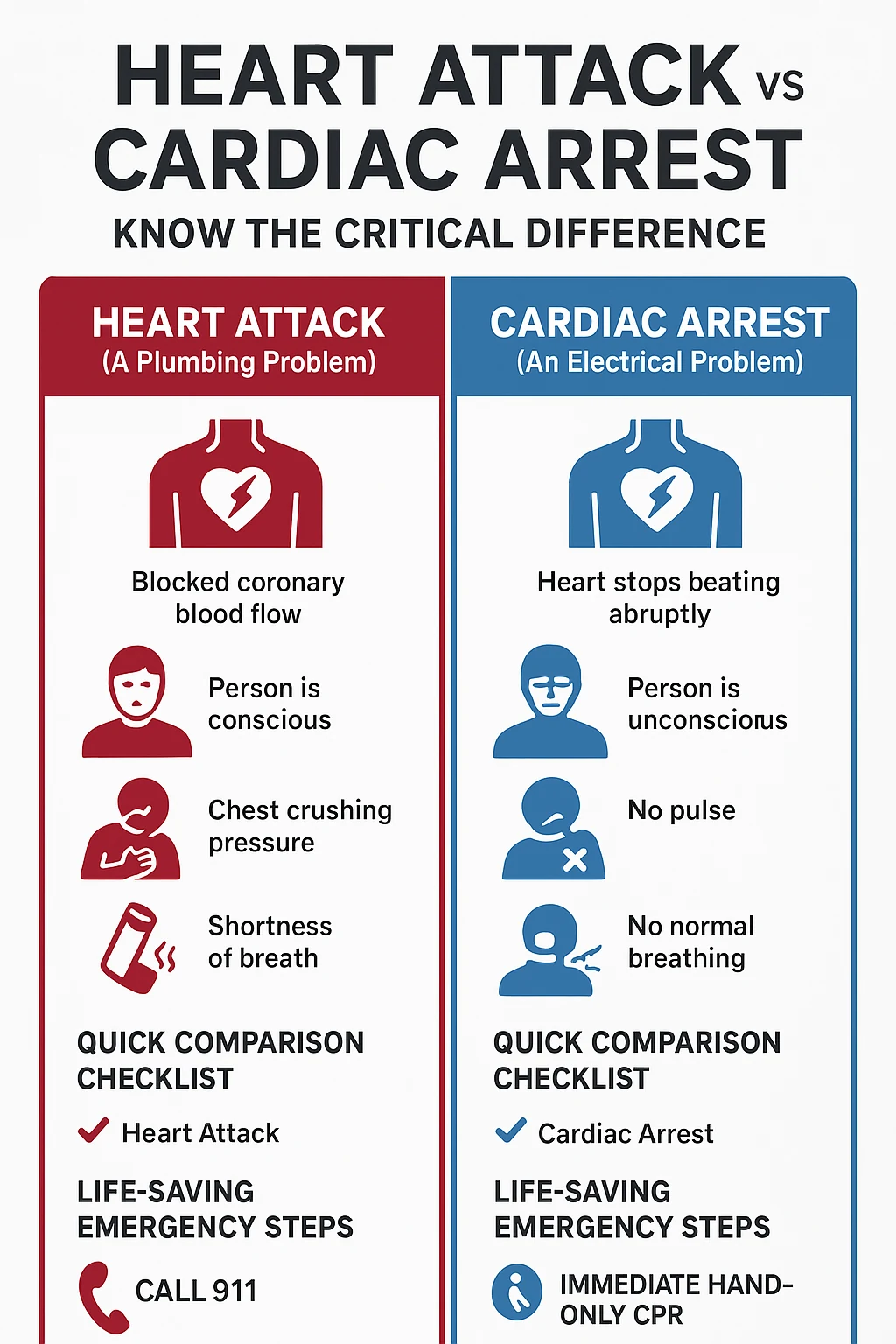
Differentiating stable from unstable angina is paramount. While stable angina reflects predictable hemodynamics, unstable angina represents an active atherothrombotic event where a vulnerable fibrous plaque has ruptured. Without emergent medical intervention, unstable angina can progress rapidly to total arterial occlusion and irreversible myocardial necrosis (distinguishing chronic angina from an acute heart attack vs cardiac arrest is vital for life-saving emergency action).
Cardiovascular Mitochondrial Support: Coenzyme Q10 (CoQ10)
Cardiac myocytes maintain the highest mitochondrial density of any tissue in the body, utilizing Coenzyme Q10 (ubiquinone) to shuttle electrons through Complexes I, II, and III of the electron transport chain. In chronic myocardial ischemia, endogenous CoQ10 concentrations become depleted. Clinical trials demonstrate that therapeutic CoQ10 supplementation enhances cellular energy production during ischemic stress, reduces oxidative reperfusion injury, and improves exercise tolerance in patients with stable coronary disease:

Doctor’s Best High Absorption CoQ10 with BioPerine (100 mg)
Naturally fermented pure CoQ10 (USP verified) combined with standardized black pepper extract (BioPerine) for enhanced bioavailability. Formulated to replenish cardiac mitochondrial stores, support cellular ATP synthesis during myocardial workload, and counteract statin-induced CoQ10 depletion.
View on Amazon →Recognizing Angina Symptoms: Classic Presentation vs. Atypical Equivalence
The Latin term angina derives from the Greek ankhone, meaning “strangling.” While popular media portrays heart attacks as sudden collapses, actual anginal distress is often described in non-pain descriptors:
- Substernal Pressure or Constriction: Patients rarely describe angina as sharp or needle-like. Instead, they report intense squeezing, heaviness, tightness, or a sensation like a heavy weight across the breastbone.
- Classic Radiation Pathways: Ischemic pain signals share sensory dermatomes with cervical and brachial nerves, radiating into the left shoulder, down the inner left arm into the fingers, into the neck, lower jaw, teeth, or between the shoulder blades.
- Atypical Angina Equivalents: In women, elderly individuals, and diabetic patients with autonomic neuropathy, substernal tightness is frequently absent. Ischemia manifests as an angina equivalent: sudden dyspnea on exertion, unexplained fatigue, lightheadedness, nausea, or epigastric discomfort mimicking indigestion.
- The Levine Sign: A classic clinical sign where the patient unconsciously holds a clenched fist over their sternum to convey the crushing constriction of their discomfort.
Diagnostic Evaluation: How Cardiologists Identify Coronary Ischemia
When symptoms suggest myocardial ischemia, the diagnostic goal established in the peer-reviewed AHA/ACC Chronic Coronary Disease Guidelines (PubMed) is to rule out acute coronary syndrome and quantify anatomical stenosis:
- 12-Lead Electrocardiogram (ECG): During an active anginal episode, the ECG typically displays transient ST-segment depression (≥1 mm) and symmetric T-wave inversions. Variant angina uniquely demonstrates transient ST elevation. However, over 50% of patients with stable angina display a normal resting ECG when pain-free.
- High-Sensitivity Cardiac Troponin (hs-cTn): The gold-standard biomarker of myocardial necrosis. In angina, troponin levels remain normal. Elevated troponin confirms myocardial cellular death, converting the diagnosis to an acute myocardial infarction.
- Functional Stress Testing: Exercise treadmill testing (Bruce protocol) monitors ECG and functional capacity during graded exertion. When combined with SPECT myocardial perfusion imaging or stress echocardiography, clinicians visualize reversible wall-motion defects that normalize with rest.
- Coronary CT Angiography (CCTA): High-resolution multidetector CT provides non-invasive 3D visualization of the coronary arterial tree, identifying non-obstructive calcified plaques, soft lipid-rich vulnerable plaques, and luminal stenosis.
- Invasive Coronary Angiography: The diagnostic gold standard. A catheter advanced via the radial or femoral artery injects radiopaque contrast under fluoroscopy, enabling direct measurement of stenosis, fractional flow reserve (FFR), and instantaneous wave-free ratio (iFR) for stenting or bypass decisions.
Botanical Coronary Vasodilation: Standardized Hawthorn Berry
In evidence-based European phytomedicine, Hawthorn (Crataegus oxyacantha / Crataegus monogyna) has served as a primary cardiotonic for centuries. German Commission E monographs and rigorous Cochrane Systematic Reviews on Crataegus extract (PubMed) endorse standardized hawthorn for functional cardiovascular support. Pharmacological research confirms hawthorn berries and leaves supply high concentrations of oligomeric proanthocyanidins (OPCs), vitexin, and hyperoside. These bioactive flavonoids promote endothelial nitric oxide synthase (eNOS) activation, dilate epicardial coronary vessels, and improve myocardial capillary perfusion without accelerating heart rate. Furthermore, for individuals managing broader vascular resistance, complementary cardiotonics detailed in our 30 best herbs for high blood pressure guide provide multi-targeted microvascular protection:

Nature’s Way Standardized Hawthorn Berry Extract
Standardized to contain 1.8% vitexin and hyperoside bioflavonoids from certified botanical sources. Rigorously tested for purity to support healthy coronary circulation, maintain vascular tone, and nourish cardiac muscle cells under metabolic strain.
View on Amazon →Comprehensive Treatment Strategies: Pharmacotherapy & Vascular Support
Modern clinical management of chronic coronary syndromes combines dual therapeutic goals: symptom relief (minimizing anginal frequency) and event prevention (preventing plaque rupture and myocardial infarction):
- Rapid-Acting Nitrates (Sublingual Nitroglycerin): Primary abortive therapy for acute anginal episodes. Converted intracellularly into nitric oxide, generating cyclic GMP that induces systemic venodilation. By dilating peripheral capacitance veins, it lowers preload and wall tension while dilating coronary arteries to restore perfusion.
- Beta-Blockers (Metoprolol, Bisoprolol, Carvedilol): First-line long-term anti-anginal therapy. Competitively antagonizing cardiac beta-1 receptors reduces heart rate, lowers myocardial contractility, and prolongs diastolic coronary perfusion time.
- Calcium Channel Blockers: Amlodipine dilates peripheral arterioles to lower afterload, whereas diltiazem and verapamil slow heart rate and reduce contractile force. CCBs represent first-line treatment for variant (Prinzmetal) vasospastic angina.
- Antiplatelet & Statin Therapy: Low-dose aspirin (75–100 mg daily) inhibits platelet thromboxane A2, preventing clot propagation across eroded plaques. High-intensity statin therapy reduces LDL-C, decreases vascular inflammation, mitigating oxidized LDL-C damage (as explored in clinical research on avocado and LDL cholesterol reduction), and reinforcing fibrous cap stability against rupture.

Vascular Smooth Muscle Relaxation: Bioavailable Magnesium
Magnesium functions as nature’s physiological calcium channel blocker. Within vascular smooth muscle, calcium influx triggers arterial constriction, whereas magnesium competes with calcium binding sites to promote vascular dilation. Subclinical magnesium deficiency contributes to coronary hyperreactivity and endothelial dysfunction. Supplementing with bioavailable chelated magnesium supports arterial elasticity and mitigates ischemic vascular reactivity:

Doctor’s Best High Absorption Magnesium Glycinate (100% Chelated)
Delivers 200 mg of elemental magnesium bound to glycine via Albion TRAACS patented chelation technology. Highly absorbable and gentle on digestion, this formula supports normal vascular tone, endothelial relaxation, and healthy myocardial electrical conduction.
View on Amazon →Critical Red Flags: When Chest Discomfort Demands Immediate 911 / Emergency Care
Because myocardial infarction begins as ischemic chest pain, individuals experiencing unexplained chest discomfort must recognize clear emergency criteria. While non-emergency vascular tension can be mitigated through home remedies for rapid blood pressure reduction, any potential acute coronary syndrome demands emergency services. Do not drive yourself to a hospital—paramedics provide continuous cardiac telemetry, advanced airway support, and rapid defibrillation in transit:
- Failure to Respond to Nitroglycerin: In diagnosed stable angina, if chest discomfort fails to improve or worsens after taking one dose of sublingual nitroglycerin at rest after 5 minutes, call 911 immediately. Modern guidelines recommend calling after one dose to avoid critical treatment delays.
- New-Onset or Rest Pain: Crushing chest tightness, squeezing, or heaviness that arises suddenly while resting without prior physical exertion.
- Prolonged Episode Duration: Chest pain or anginal equivalent symptoms that persist continuously for more than 15 to 20 minutes.
- Associated Autonomic Instability: Chest discomfort accompanied by cold diaphoresis (sweating), presyncope (feeling faint), facial pallor, or vomiting.
- Severe Sudden Dyspnea: Extreme shortness of breath, gasping, or feeling unable to draw breath into the lungs, with or without noticeable chest pressure.
Structured cardiovascular reconditioning must be carefully timed with physiological demands; review our evidence-based guide on when to do cardio for optimal heart health.
Related Clinical Cardiovascular & Circulation Guides
Deepen your understanding of cardiovascular health, arterial elasticity, and emergency protocols with our evidence-based clinical guides:
- Heart Attack vs Cardiac Arrest: Crucial Differences, Warning Signs & Life-Saving Emergency Steps
- Rapid Blood Pressure Reduction: Science-Backed Natural Ways to Lower Hypertension Safely
- 30 Best Herbs for High Blood Pressure: Proven Botanicals for Vasodilation & Healthy Circulation
- Avocado & Cholesterol: How Daily Intake Lowers Oxidized LDL & Protects Arterial Health
Frequently Asked Questions About Angina (FAQ)
Can severe anxiety or panic attacks mimic angina?
Yes. Panic attacks trigger catecholamine surges that elevate blood pressure and heart rate, frequently causing chest tightness and hyperventilation. However, because acute stress can also trigger coronary vasospasm or plaque disruption, new or uncharacterized chest discomfort must always be evaluated with an ECG and cardiac biomarkers before being attributed to anxiety.
What is the difference between a heart attack and angina?
Angina represents transient myocardial ischemia where blood flow is temporarily insufficient, but myocardial tissue remains viable and recovers without cell death once balance is restored. A heart attack (myocardial infarction) occurs when coronary blood flow is severely blocked for an extended period, leading to irreversible myocyte necrosis and permanent scar tissue.
Can regular exercise be performed safely with stable angina?
Yes, under supervised medical guidance. Supervised cardiac rehabilitation utilizes structured aerobic exercise to improve peripheral oxygen utilization, enhance endothelial function, stimulate collateral capillary development, and raise the anginal threshold, allowing patients to perform higher workloads without symptoms.
Does nitroglycerin cure coronary artery disease?
No. Nitroglycerin is a symptomatic vasodilator that relieves acute ischemic episodes by reducing preload and dilating coronary vessels, but it does not reverse atherosclerotic plaque or replace long-term disease-modifying therapies such as statins, antiplatelet medications, and blood pressure management.