Quick Medical Summary: Chronic hypertension affects over 1.28 billion adults globally, serving as the leading modifiable driver of myocardial infarction, stroke, heart failure, and renal disease. While pharmaceutical antihypertensives are essential in moderate-to-severe disease, landmark clinical research demonstrates that targeted lifestyle modifications—most notably the Dietary Approaches to Stop Hypertension (DASH) diet, aerobic physical conditioning, sodium-potassium electrolyte balancing, and parasympathetic stress reduction—can lower systolic blood pressure by 10 to 20 mmHg. This comprehensive guide outlines 10 evidence-based clinical strategies to naturally optimize arterial elasticity, reduce systemic vascular resistance, and support lifelong cardiovascular health.
Understanding Blood Pressure: Cardiac Output vs. Systemic Vascular Resistance
Blood pressure represents the lateral hydrostatic force exerted by circulating blood against the muscular walls of systemic arteries. Hemodynamically, blood pressure is governed by a fundamental physiological equation: Blood Pressure = Cardiac Output × Systemic Vascular Resistance (SVR).
Cardiac output is determined by stroke volume and heart rate, while systemic vascular resistance reflects the caliber, elasticity, and muscular tone of peripheral arterioles throughout the body. When you measure your blood pressure with a sphygmomanometer, two numbers are recorded in millimeters of mercury (mmHg):
- Systolic Blood Pressure (Upper Number): Measures arterial pressure during ventricular contraction (systole), reflecting the peak mechanical force generated as the left ventricle ejects blood into the aorta.
- Diastolic Blood Pressure (Lower Number): Measures baseline arterial pressure during ventricular filling and relaxation (diastole), reflecting continuous vascular resistance maintained by peripheral arteriolar tone.
| Blood Pressure Category | Systolic Reading (mmHg) | Diastolic Reading (mmHg) | Vascular Impact & Clinical Management |
|---|---|---|---|
| Normal | < 120 | and < 80 | Optimal vascular compliance; minimal endothelial shear stress. |
| Elevated | 120–129 | and < 80 | Early arterial stiffening; primary lifestyle and dietary intervention. |
| Stage 1 Hypertension | 130–139 | or 80–89 | Accelerated atherosclerosis; DASH diet, exercise, and clinical monitoring. |
| Stage 2 Hypertension | ≥ 140 | or ≥ 90 | Marked endothelial damage; combined pharmacotherapy and lifestyle protocols. |
| Hypertensive Crisis | > 180 | and/or > 120 | Immediate Emergency: High risk of aortic dissection, stroke, or heart failure. |
According to the peer-reviewed AHA/ACC Hypertension Clinical Practice Guidelines (PubMed), chronic elevation above 130/80 mmHg damages the delicate endothelial glycocalyx lining arterial walls. This accelerated mechanical stress precipitates coronary plaque formation, causes angina pectoris (ischemic coronary disease), and dramatically elevates the lifetime risk of an acute heart attack vs cardiac arrest.
10 Proven Evidence-Based Methods to Lower & Optimize Blood Pressure
1. Engage in Regular Aerobic & Isometric Exercise
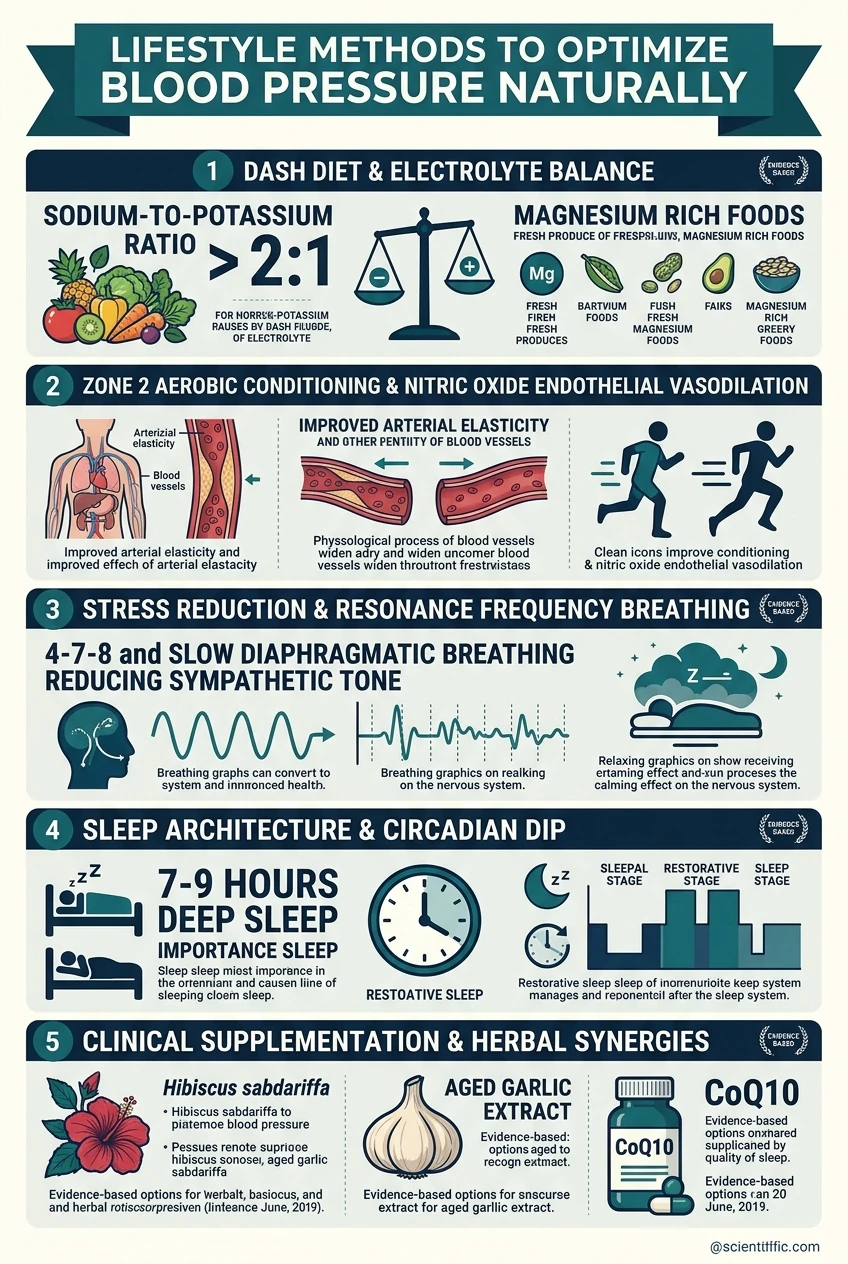
Consistent cardiovascular physical activity is the cornerstone of non-pharmacological blood pressure management. Performing 150 minutes of moderate-intensity aerobic exercise weekly (such as brisk walking, swimming, or cycling) stimulates endothelial nitric oxide synthase (eNOS), dilating peripheral arterioles and lowering systolic blood pressure by an average of 5 to 8 mmHg.
Furthermore, recent sports cardiology meta-analyses highlight the extraordinary efficacy of isometric resistance training. Protocol studies utilizing an isometric handgrip dynamometer (squeezing at 30% maximal voluntary contraction for 2 minutes, repeated 4 times with 1-minute rest intervals, three days per week) produce rapid baroreflex resets. This specific protocol stimulates vascular shear stress, triggering reactive hyperemia and lowering resting systolic pressure by 8 to 10 mmHg within four to eight weeks.
2. Adopt the Evidence-Based DASH Nutritional Pattern
The Dietary Approaches to Stop Hypertension (DASH) diet represents one of the most rigorously validated nutritional protocols in cardiology. Published in the landmark multicenter trial in the New England Journal of Medicine (PubMed), DASH focuses on abundant vegetables, fruits, whole grains, and low-fat dairy, while minimizing saturated fat, red meats, and refined sugars. In hypertensive individuals, adherence slashes systolic pressure by up to 11.4 mmHg—matching the therapeutic power of standard first-line antihypertensive drugs.
The therapeutic mechanism of DASH lies in its dense delivery of three cardiovascular minerals: potassium (target 4,700 mg/day), magnesium (target 500 mg/day), and calcium (target 1,200 mg/day). These electrolytes function collaboratively to suppress circulating renin activity, promote natriuretic renal clearance, and inhibit vascular smooth muscle contraction.
Targeted Daily Botanical Cardiotonic: Organic Hibiscus Sabdariffa
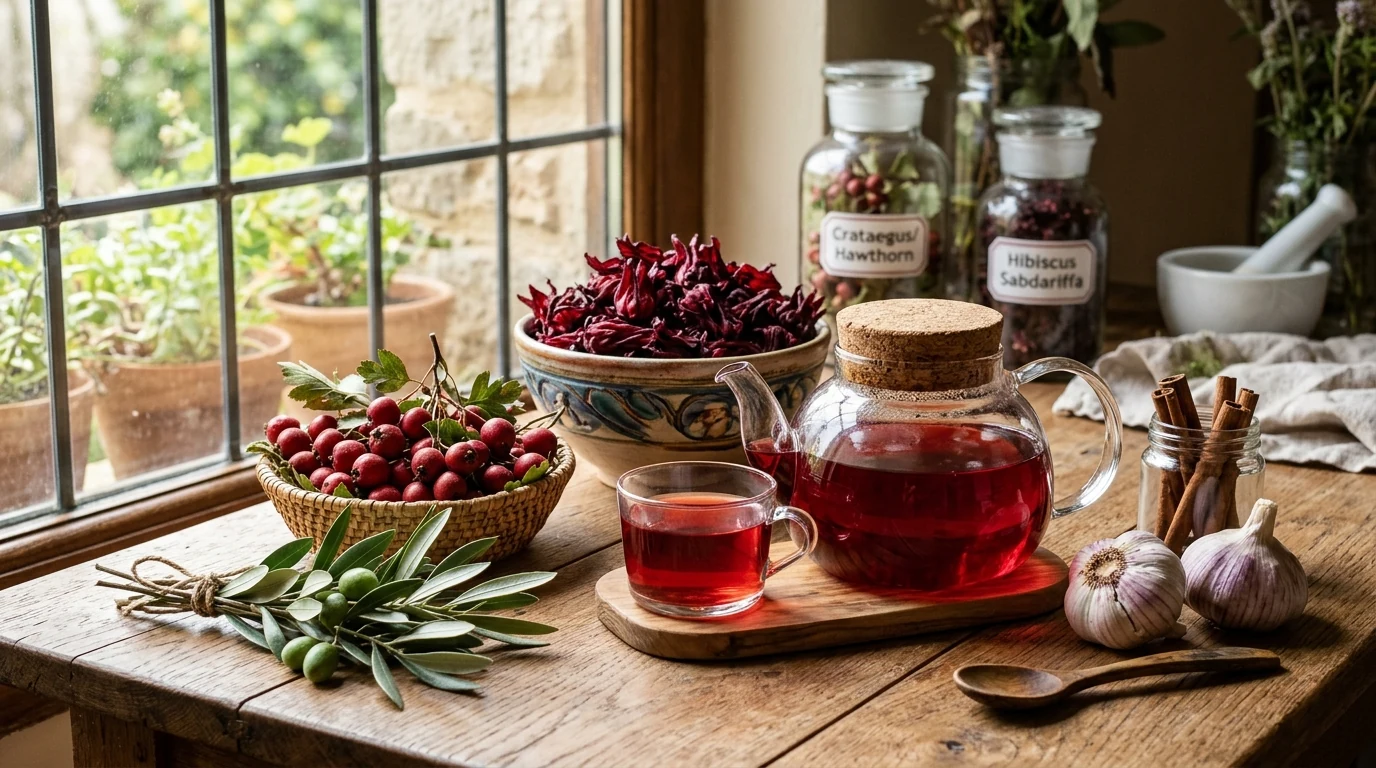
Incorporating therapeutic herbal infusions provides powerful botanical synergy alongside whole-food diets. Dried calyces of Hibiscus sabdariffa are densely packed with vasoactive anthocyanins (delphinidin and cyanidin sambubiosides) that act as natural botanical ACE inhibitors. Drinking two to three cups of organic hibiscus tea daily promotes endothelial nitric oxide release, gently stimulates urinary sodium excretion, and supports arterial elasticity:

Traditional Medicinals Organic Hibiscus Herbal Tea (16 Tea Bags)
Pharmacopoeial-grade organic dried hibiscus calyces delivering tart, ruby-red botanical infusions rich in vasoactive anthocyanins and bioflavonoids. Formulated to support healthy arterial elasticity, promote natural nitric oxide synthesis, and gently facilitate urinary sodium excretion.
View on Amazon →3. Optimize the Sodium-to-Potassium Ratio
While excess dietary sodium triggers renal fluid retention and expands plasma volume, increasing potassium intake is equally vital. Potassium promotes natriuresis (renal excretion of sodium via distal tubule transport channels) and hyperpolarizes vascular smooth muscle membranes to induce vasodilation. Consuming potassium-dense whole foods such as spinach, sweet potatoes, coconut water, and avocados—as detailed in our clinical guide on avocado and cardiovascular LDL reduction—counteracts sodium-induced arterial stiffness.
Modern epidemiological studies demonstrate that the urinary sodium-to-potassium ratio is a significantly stronger predictor of cardiovascular disease and stroke than sodium intake alone. Aim to consume twice as much potassium as sodium daily (a 2:1 potassium-to-sodium ratio) by prioritizing unrefined whole plant foods over industrially processed meals. When seasoning meals, substitute ordinary table salt with mineral-rich potassium chloride culinary salts, fresh minced garlic, cracked black pepper, dried oregano, or lemon juice to dramatically lower daily sodium intake without sacrificing robust flavor profiles.
4. Implement Acute Diaphragmatic Baroreflex Breathing
When emotional stress or anxiety triggers acute blood pressure spikes, resonant frequency breathing (inhaling for 4 seconds, exhaling for 6 seconds) stimulates aortic and carotid baroreceptors, slashing sympathetic outflow and reducing systolic pressure by 10 to 15 mmHg within 10 minutes. For immediate step-by-step calming protocols, review our guide to home remedies for rapid blood pressure reduction.
5. Leverage Botanical Cardiotonics (Garlic & Hawthorn)
Phytomedicines offer targeted cardiovascular support. Standardized aged garlic extract delivers S-allyl-cysteine to boost hydrogen sulfide (H2S) vasodilation, while hawthorn berry (*Crataegus*) dilates coronary vessels. For an exhaustive breakdown of 30 research-backed botanicals, explore our compendium of 30 best herbs for high blood pressure.
Cardiovascular Nitric Oxide Support: Kyolic Aged Garlic Extract
Standardized aged garlic extract represents one of the most thoroughly clinically trialed cardiovascular supplements in the world. Clinical meta-analyses confirm that bioavailable S-allyl-cysteine stimulates endogenous endothelial nitric oxide and hydrogen sulfide (H2S), opening vascular potassium channels to promote arterial relaxation:

Kyolic Aged Garlic Extract Cardiovascular Formula 100 (300 Capsules)
Naturally odorless, organic aged garlic extract standardized to deliver bioactive S-allyl-cysteine. Supports arterial elasticity, healthy circulation, and balanced systolic and diastolic pressures without gastrointestinal irritation.
View on Amazon →6. Correct Subclinical Magnesium Deficiency
Magnesium functions as nature’s physiological calcium channel blocker, competing with intracellular calcium ions to prevent vascular smooth muscle hypertonicity and arterial spasm. In modern diets depleted of soil minerals, cellular magnesium depletion accelerates vasoconstriction. Supplementing with 200 to 400 mg of bioavailable chelated magnesium glycinate supports vascular relaxation and dampens stress-induced catecholamine surges.
7. Achieve & Maintain Visceral Adipose Loss
Blood pressure increases in direct proportion to body weight. Visceral abdominal fat exerts physical compression on renal parenchyma, activating the renin-angiotensin-aldosterone system (RAAS) and increasing sympathetic nerve firing. Clinical trials prove that shedding as little as 5% to 10% of excess body weight reduces systolic readings by roughly 1 mmHg per kilogram of weight lost.
8. Eliminate Alcohol Excess & Tobacco Smoke
Consuming more than moderate alcohol amounts stimulates central sympathetic tone, depletes cellular magnesium, and triggers vasoconstrictive endothelin release. Concurrently, cigarette and vape nicotine acutely narrows arterioles and damages the protective endothelial glycocalyx. Cessation restores baseline vascular flexibility within weeks.
9. Prioritize 7 to 9 Hours of Restorative Slow-Wave Sleep
During deep non-REM slow-wave sleep, the cardiovascular system undergoes nocturnal blood pressure “dipping”—a healthy 10% to 20% decline in hemodynamic pressure that rests cardiac myocytes. Chronic sleep deprivation or obstructive sleep apnea keeps sympathetic tone elevated 24 hours a day, preventing nocturnal dipping and escalating cardiovascular risks.
10. Track Daily Trends with a Validated Home Monitor
Relying solely on sporadic clinic visits exposes patients to “white-coat hypertension” (elevated readings due to clinical anxiety) or “masked hypertension” (normal clinic readings but elevated home readings). Utilizing a clinically validated upper-arm oscillometric monitor in the morning and evening provides objective hemodynamic tracking to guide medical decisions.
Vascular Smooth Muscle Relaxation: Doctor’s Best Magnesium Glycinate
Elemental magnesium chelated to the calming amino acid glycine passes easily through intestinal dipeptide channels, avoiding the osmotic laxative effects of inferior magnesium salts while supporting healthy vascular tone and cardiovascular rhythm:

Doctor’s Best High Absorption Magnesium Glycinate (100% Chelated)
Delivers 200 mg of elemental magnesium bound to glycine using patented Albion TRAACS chelation technology. Highly bioavailable and gentle on digestion, this formula supports natural vascular tone, endothelial relaxation, and calm cardiovascular autonomic signaling.
View on Amazon →Strategic physical conditioning supports healthy vasomotor tone; explore our exercise physiology guide on the best time to do cardio workouts.
Related Clinical Cardiovascular & Circulation Guides
Deepen your cardiovascular knowledge with our companion clinical guides on blood pressure, arterial health, and emergency triage:
- Rapid Blood Pressure Reduction: Science-Backed Natural Ways to Lower Hypertension Spikes
- 30 Best Herbs for High Blood Pressure: Complete Compendium of Cardiotonic Botanicals
- Angina Pectoris Guide: Symptoms, Causes, Treatment & Natural Vascular Support
- Heart Attack vs Cardiac Arrest: Warning Signs, Critical Differences & Emergency Action
- Avocado & Cholesterol: How Daily Intake Lowers Oxidized LDL & Protects Arteries
Frequently Asked Questions About Blood Pressure (FAQ)
Can lifestyle changes completely replace blood pressure medications?
In mild or Stage 1 hypertension, comprehensive lifestyle modifications—including the DASH diet, aerobic conditioning, weight loss, and sodium restriction—can often restore blood pressure to normal ranges without pharmaceuticals. However, for Stage 2 hypertension (readings ≥140/90 mmHg) or patients with high cardiovascular risk, lifestyle changes serve as powerful adjuncts that reduce medication dosage requirements under physician supervision.
What should I do if my blood pressure drops too low (orthostatic hypotension)?
If readings drop below 90/60 mmHg accompanied by dizziness, blurred vision, or lightheadedness when standing up, lie down with legs elevated. Increasing clean fluids, replenishing electrolytes, wearing compression socks, and consuming moderate amounts of sea salt help safely stabilize orthostatic vascular tone.
How long does it take for dietary changes to lower blood pressure?
Clinical trials show that initiating the DASH eating pattern and dietary sodium restriction begins reducing arterial pressure within 14 days, with maximal hemodynamic improvements observed between 4 and 8 weeks of consistent adherence.
Is morning or evening blood pressure typically higher?
Blood pressure naturally follows a circadian rhythm, surging sharply in the early morning hours upon awakening (the “morning blood pressure surge”) due to cortisol and sympathetic activation. Evening readings prior to bed are typically lower in individuals who experience healthy nocturnal dipping.