
Clinical Metabolic Nutrition & Satiety Summary
Clinical Status: The belief that fruit drives fat gain due to its fructose content is a prevalent nutritional misconception. Unlike isolated industrial liquid sugars, whole fruits encapsulate fructose within an intact plant cell wall matrix made of insoluble cellulose, viscous soluble pectins, and concentrated polyphenols.
Metabolic Impact: Specific low-glycemic fruits activate cellular AMP-activated protein kinase (AMPK), the metabolic switch that accelerates mitochondrial fat oxidation while blunting hepatic lipogenesis. Clinical trials confirm that whole fruit consumption enhances insulin sensitivity, stimulates gut satiety peptides (CCK, GLP-1), and supports sustainable abdominal fat loss.
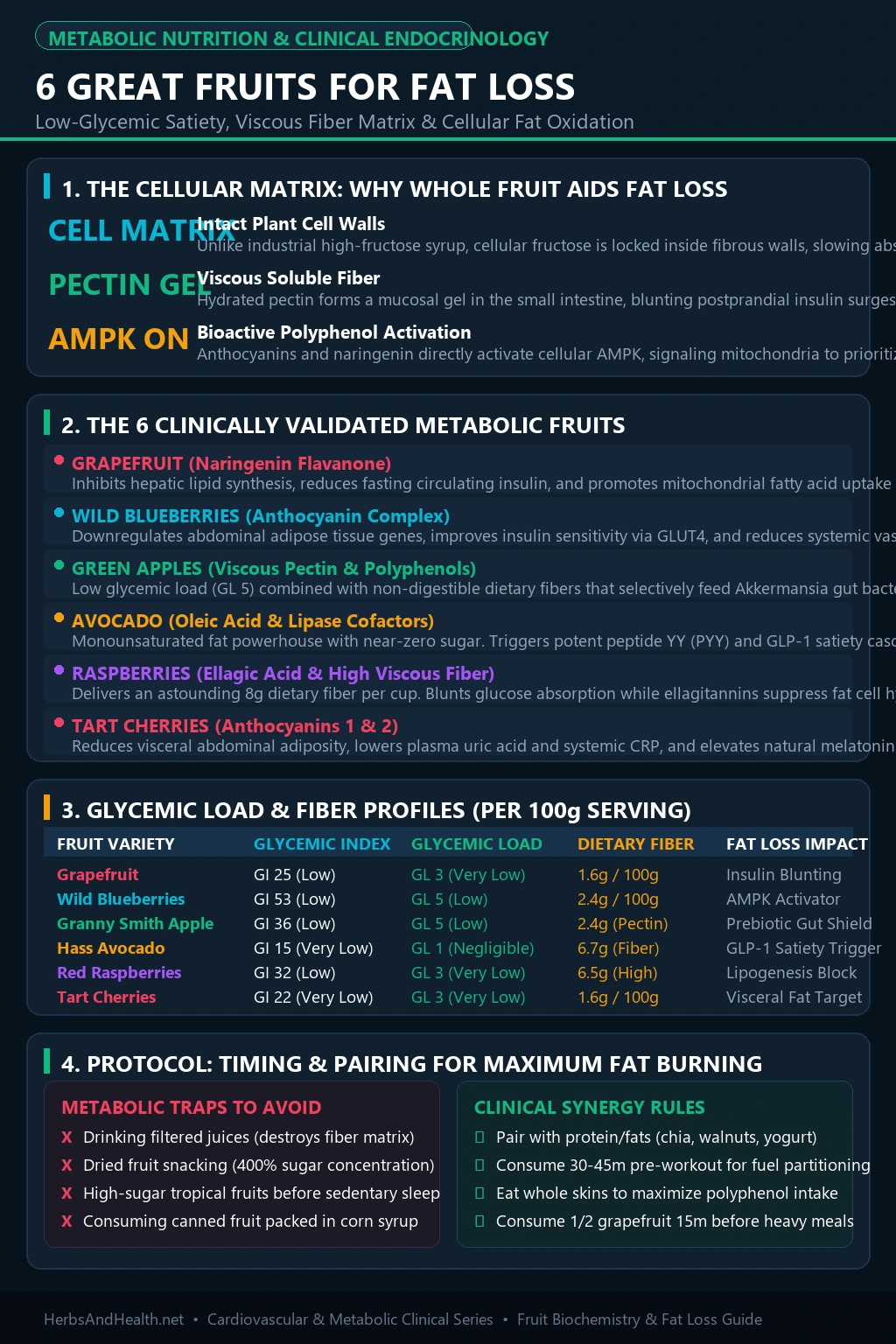
The Fructose Fallacy: Why Cellular Whole Fruit Promotes Fat Oxidation
Nutritional research has unequivocally demonstrated that high-fructose corn syrup and refined sugars promote fatty liver disease, hepatic insulin resistance, and visceral adiposity. Unfortunately, popular diets often eliminate whole fruit under the mistaken assumption that all fructose behaves identically in the body.
This assumption ignores fundamental gastrointestinal physiology. In industrial sweeteners, free fructose molecules hit the duodenum instantly, flooding the portal vein and forcing hepatic de novo lipogenesis (triglyceride synthesis). To examine how this overflow triggers fat storage, review our guide on understanding fat gain and cellular adipogenesis.
In contrast, whole fruit locks fructose inside fibrous plant cell walls. Chewing only partially breaks these structures; the remainder is broken down slowly throughout the small intestine. Additionally, viscous soluble pectins absorb water to form a mucosal gel barrier, slowing gastric emptying and preventing postprandial insulin surges that silence lipolysis (fat mobilization).
Longitudinal cohort studies consistently demonstrate an inverse correlation between whole fruit intake and long-term weight gain. Epidemiologic analysis across multi-ethnic cohorts confirms that individuals consuming whole fruit display lower waist circumferences and lower incidence of metabolic syndrome compared to those consuming fruit juices or sweetened beverages, underscoring the stark physiological divide between whole cellular plant foods and industrial sweeteners.
Fruit 1: Grapefruit (Naringenin and Pre-Meal Insulin Blunting)
Grapefruit (Citrus paradisi) is exceptionally rich in a specialized citrus flavanone called naringenin. Preclinical and clinical models demonstrate that naringenin activates peroxisome proliferator-activated receptor alpha (PPAR-a) and AMP-activated protein kinase (AMPK) in liver and fat cells.
AMPK acts as the body’s cellular fuel gauge: when activated, it halts fatty acid synthesis and instructs mitochondria to burn stored lipids. In a 12-week randomized trial at the Scripps Clinic, consuming half a fresh grapefruit before meals produced an average weight loss of 3.52 lbs (compared to 0.66 lbs in the control group) alongside significant reductions in two-hour post-prandial insulin levels.
Beyond glucose clearance, naringenin stimulates circulating levels of adiponectin, a protective cytokine released by adipose tissue that accelerates fatty acid oxidation and protects endothelial walls from atherogenic plaque formation. By down-regulating sterol regulatory element-binding protein 1c (SREBP-1c), naringenin directly inhibits hepatic de novo lipogenesis.
With a glycemic index of 25 and a glycemic load of just 3, grapefruit exerts virtually zero disruptive impact on blood glucose. Clinical note: Grapefruit inhibits intestinal CYP3A4 enzymes. If you take statins or blood pressure medications, consult your physician before daily consumption.
Fruit 2: Wild Blueberries (Anthocyanins and GLUT-4 Translocation)
Wild lowbush blueberries (Vaccinium angustifolium) contain up to double the concentration of bioactive anthocyanins compared to standard cultivated varieties, reflecting their adaptation to harsher subarctic climates.
Anthocyanins directly improve peripheral insulin sensitivity. Research in the Journal of Nutrition confirms that blueberry anthocyanins enhance the translocation of glucose transporter type 4 (GLUT-4) to skeletal muscle cell membranes. This directs circulating glucose into muscle glycogen rather than adipose depots. Human trials also demonstrate that wild blueberry polyphenols down-regulate genes governing visceral abdominal fat storage while reducing pro-inflammatory cytokines (TNF-a, IL-6).
Fruit 3: Granny Smith Green Apples (Viscous Pectin and Gut Satiety)
Granny Smith apples provide an optimal blend of low sugar, high malic acid, and rich non-digestible dietary fiber. An unpeeled medium apple supplies 4.4 grams of fiber, over half of which consists of complex viscous pectin.
Pectin resists upper digestive enzymes, reaching the colon intact where it selectively feeds beneficial microbiota, notably Akkermansia muciniphila. Microbial fermentation produces short-chain fatty acids (SCFAs), predominantly acetate and propionate. These SCFAs stimulate intestinal L-cells to release glucagon-like peptide-1 (GLP-1) and peptide YY (PYY), which signal the hypothalamic satiety center to suppress appetite. Integrating green apples into structured nutrition is a core principle of our thriving metabolic weight loss meal plans.
Fruit 4: Hass Avocado (Botanical Berry of Oleic Acid and Leptin Signaling)
Botanically a single-seeded berry, the avocado (Persea americana) delivers a nutrient architecture unique among fruits: near-zero sugar, 7 grams of dietary fiber per medium fruit, and rich monounsaturated oleic acid.
When oleic acid reaches the small intestine, it is converted into oleoylethanolamide (OEA), a lipid messenger that activates PPAR-a and vagal nerve afferents to induce long-lasting satiety. Clinical studies in the Nutrition Journal revealed that adding half an avocado to lunch decreased the desire to eat over the subsequent five hours by 40%, preventing afternoon energy crashes and snacking.
Additionally, avocados deliver more potassium than bananas (approximately 485 mg per 100g) alongside bioavailable magnesium. These essential intracellular electrolytes restore healthy cellular fluid dynamics, flushing excess extracellular water retention and stabilizing vascular tone during fat loss regimens.
Fruit 5: Red Raspberries (High Fiber-to-Sugar Ratio and Ellagic Acid)
When evaluated by metabolic efficiency (fiber divided by simple sugars), red raspberries (Rubus idaeus) lead all common fruits. A single cup provides an impressive 8.0 grams of dietary fiber against only 5.4 grams of sugar, yielding a minimal glycemic load of 2.
Beyond viscous fiber, raspberries are packed with ellagic acid and ellagitannins. Metabolic research indicates that ellagic acid inhibits pancreatic lipase activity, moderating dietary fat absorption, while suppressing fatty acid synthase enzymes inside maturing adipocytes. Crucially, whole dietary raspberries provide true clinical efficacy through intact plant cell matrix nutrients, unlike synthetic ‘raspberry ketone’ supplements which lack human clinical validation.
Fruit 6: Montmorency Tart Cherries (Circadian Sleep and Visceral Fat Reduction)
Unlike high-sugar sweet cherries, Montmorency tart cherries (Prunus cerasus) feature high concentrations of anthocyanins 1 and 2, which act as natural cyclooxygenase (COX-1 and COX-2) inhibitors that suppress systemic low-grade inflammation.
A 90-day trial by the University of Michigan demonstrated that tart cherry consumption reduced abdominal visceral fat mass by 9% while reducing inflammatory biomarkers. Tart cherries are also one of nature’s few dietary sources of bioavailable melatonin. By deepening restorative slow-wave sleep, evening tart cherry consumption stabilizes nocturnal cortisol and circadian hunger hormones (ghrelin and leptin).
Metabolic Comparison: Glycemic Load, Fiber & Bioactive Compounds
Compare these six metabolic fruits across their glycemic index, fiber density, and primary physiological mechanisms:
| Fruit Variety | Glycemic Index | Glycemic Load | Fiber / 100g | Primary Bioactive | Primary Metabolic Action |
|---|---|---|---|---|---|
| Grapefruit | 25 (Very Low) | 3 (Minimal) | 1.6 g | Naringenin | Blunts pre-meal insulin surges, activates AMPK |
| Wild Blueberries | 53 (Low) | 5 (Low) | 2.4 g | Anthocyanins | Translocates GLUT-4, clears visceral inflammation |
| Granny Smith Apple | 36 (Low) | 5 (Low) | 2.4 g (Pectin) | Viscous Pectin | Microbiome fermentation, elevates GLP-1 & PYY |
| Hass Avocado | 15 (Negligible) | 1 (Negligible) | 6.7 g | Oleic Acid (OEA) | Triggers vagal nerve satiety for 5+ hours |
| Red Raspberries | 32 (Low) | 3 (Minimal) | 6.5 g (High) | Ellagic Acid | Inhibits pancreatic lipase, suppresses FAS |
| Tart Cherries | 22 (Very Low) | 3 (Minimal) | 1.6 g | Melatonin / COX-2 | Lowers visceral fat, improves deep sleep quality |
Clinical Synergy: Evidence-Based Nutritional Complements
To enhance the metabolic impact of whole fruits, clinical nutritionists recommend pairing them with concentrated polyphenol powders or high-viscosity soluble fibers:
Navitas Organics Freeze-Dried Acai Powder
Delivers concentrated Amazonian anthocyanins and healthy omega fatty acids with zero added sugars. Perfect for blending with berries to supercharge GLUT4 glucose uptake.
Micro Ingredients Organic Wild Blueberry Powder
Authentic whole wild blueberries freeze-dried to preserve potent anthocyanins. Easily stirred into yogurt or oatmeal to reduce systemic and abdominal adipose inflammation.
Viva Naturals Organic Raw Chia Seeds
Provides superior mucilaginous soluble fiber that expands in the stomach. Sprinkling 1 tablespoon over cut fruit flattens the glucose curve and extends satiety for hours.
Strategic Guidelines: How to Consume Fruits for Maximum Fat Oxidation
To ensure that fruit consumption stimulates lipolysis rather than fat storage, follow four clinical rules:
- Never Drink Fruit Juices: Industrial juicing strips cellulose and shears viscous pectin, destroying the plant matrix. The resulting liquid floods the liver with unbound fructose, spiking insulin and driving de novo lipogenesis. Always chew whole, unpeeled fresh fruit.
- Anchor Fruit with Protein or Healthy Fats: Pairing green apple slices with raw almond butter, or raspberries with unsweetened Greek yogurt, flattens the glycemic curve and elevates CCK satiety peptides. For low-calorie pairing inspiration, explore our 25 super snacks with 100 calories or less.
- Time Fruit as Pre-Workout Fuel: Consuming berries or half a grapefruit 30 to 45 minutes prior to resistance training partitions carbohydrates directly into working muscles as glycogen, sparing hepatic glycogen and boosting workout intensity.
- Pair Polyphenols for Cardiovascular Protection: Combining antioxidant berries with citrus flavonoids promotes vascular elasticity and lipid balance; discover our protocol on natural remedies for cholesterol control and vascular health.
Frequently Asked Questions About Fruit and Fat Loss
Can individuals with prediabetes eat fruit safely?
Yes, provided they prioritize low-glycemic fruits (wild blueberries, raspberries, grapefruit, green apples, and avocado) and consume them in whole form with protein or healthy fats. These fruits have glycemic loads under 5 and do not provoke significant postprandial glucose surges.
Are frozen berries as metabolically effective as fresh?
Yes, often superior. Wild blueberries and raspberries are flash-frozen within hours of harvest, locking in delicate anthocyanins and vitamin C that degrade during long refrigerated shipping of fresh berries.
Does blending whole fruit into smoothies ruin the fiber?
Blending does not chemically eliminate fiber, but high-speed blades fragment insoluble cellulose fibers. This modestly speeds gastric emptying compared to whole fruit. For maximum satiety and flatter insulin responses, chewing whole fruit remains best.
What about high-sugar fruits like bananas and grapes?
Tropical fruits like ripe bananas, grapes, and mangoes have higher glycemic loads (GL 12–18). While rich in micronutrients, they can temporarily halt lipolysis in insulin-resistant individuals and should be moderated during aggressive fat-loss phases.
When is the worst time to consume fruit for fat burning?
Late at night before sleep. High-carbohydrate fruit right before bed elevates nocturnal insulin, blunting growth hormone secretion and nighttime fatty acid oxidation. Tart cherries are the exception, as natural melatonin promotes deep restorative sleep.
Peer-Reviewed Clinical References & Endocrine Studies
- Fujioka, K., et al. (2006). The effects of grapefruit on weight and insulin resistance: relationship to the metabolic syndrome. Journal of Medicinal Food, 9(1), 49-54.
- Stull, A. J., et al. (2010). Bioactives in blueberries improve insulin sensitivity in obese, insulin-resistant men and women. Journal of Nutrition, 140(10), 1764-1768.
- Wien, M., et al. (2013). A randomized 3×3 crossover study to evaluate the effect of Hass avocado intake on post-ingestive satiety, glucose and insulin levels. Nutrition Journal, 12(1), 155.
- Muraki, I., et al. (2013). Fruit consumption and risk of type 2 diabetes: results from three prospective longitudinal cohort studies. British Medical Journal, 347, f5001.
- Seymour, E. M., et al. (2009). Regular tart cherry intake alters abdominal adiposity, adipose gene transcription, and inflammation in obesity-prone rats. Journal of Medicinal Food, 12(5), 935-942.