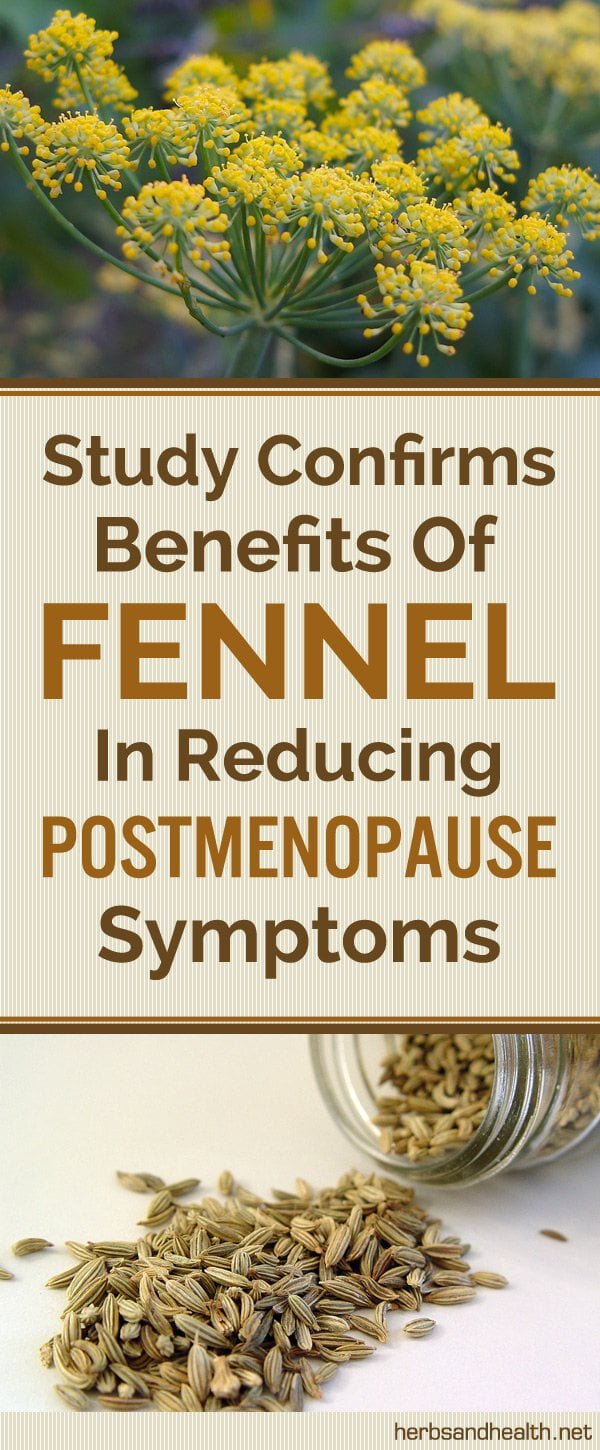
Summary: Fennel’s Benefits for Postmenopausal Symptoms
This article summarizes a clinical trial that evaluated fennel for postmenopausal symptoms. The trial found that daily fennel capsules taken for two months reduced overall menopausal symptom scores compared with placebo, with no serious adverse events reported. Below we explain the study, how fennel may work, safe use considerations, practical ways to try fennel, and the study’s limitations.
About the Study
The trial was published in Menopause (the journal of the North American Menopause Society) and tested a fennel preparation against placebo in postmenopausal women. The report focuses on symptom changes after a two-month intervention. The published paper is the primary source for full methods and results; readers should consult that article for exact figures and the study citation.
Study Design and Methods
The study was a randomized, placebo-controlled clinical trial. Participants were assigned to receive either fennel capsules or a matching placebo daily for two months. Outcomes were measured using standard menopausal symptom scales before and after treatment, and adverse events were monitored throughout the trial period.
Participants and Inclusion Criteria
Participants were postmenopausal women (reported age range in the trial was approximately 45–60 years). The trial enrolled women who reported bothersome menopausal symptoms and excluded those with contraindications that the investigators specified in the published protocol. Because the sample consisted of an Iranian population, applicability to other populations should be considered alongside other evidence.
Fennel: What It Is and How It May Work
Fennel (Foeniculum vulgare) is a culinary and medicinal plant. Its seeds and extracts contain volatile oils (notably anethole) and other phytochemicals with mild estrogen-like (phytoestrogenic) activity. These compounds are hypothesized to modulate some menopausal symptoms — for example, by acting on estrogen receptors that influence hot flashes, mood, or vaginal tissues — although the exact mechanisms in humans are not fully established.
Fennel also provides small amounts of nutrients such as iron, vitamin B6, zinc, and vitamin K. For more on comparable nutrient-rich herbs, see Moringa Leaves: Benefits, Side Effects, and How to Use Them Safely.
Key Findings: Symptom Reduction and Outcomes
Overall, the study reported that participants taking fennel capsules had greater improvement in total menopausal symptom scores than those taking placebo after two months. Reported symptom improvements included reductions in hot flashes, sleep disruption, and some mood symptoms. The trial authors reported no serious adverse events during the intervention period.
Statistical Significance and Effect Sizes
The trial authors described the difference between fennel and placebo groups as statistically significant. Exact p-values, confidence intervals, and numerical effect sizes are provided in the original publication and should be reviewed there for precise interpretation and clinical relevance. Where possible, readers should examine the primary paper to determine the magnitude of benefit and whether it meets their goals for symptom relief.
Dosage, Form, and How to Use Fennel
In the trial, participants took a standardized fennel capsule daily for two months. The paper does not prescribe a universal dose for everyone; commercial fennel preparations vary in concentration and formulation (seed powder, extract, essential oil, or tea). If you are considering fennel for postmenopausal symptoms, choose a product labeled with standardized extract information where available and discuss dose and duration with your clinician.
Safety, Side Effects, and Drug Interactions

Fennel is generally well tolerated when used short-term in culinary amounts or trial dosages. Potential concerns include:
- Phytoestrogenic activity: people with hormone-sensitive conditions (for example, certain breast or uterine cancers) should avoid fennel supplements unless cleared by their oncology team.
- Herb–drug interactions: fennel may interact with medications metabolized by the liver or with hormonal therapies. There are also case reports and theoretical concerns about interactions with anticoagulant or antiplatelet medications — check with a clinician before use.
- Allergic reactions or digestive upset: uncommon but possible.
Always tell your prescriber about herbal supplements. If you are taking hormone therapy or have complex medical conditions, consult your clinician first — see Ashwagandha: Who Should NOT Take It? Important Warnings and Risks for an example of why checking contraindications matters.
Practical Tips and Recipes
Ways to incorporate fennel include:
- Fennel tea made from crushed seeds (helpful for general wellness; trial used a capsule form).
- Adding fresh fennel bulb or seeds to salads, soups, and roasted dishes.
- Using standardized fennel supplements when a consistent dose is desired; follow product labeling and clinician advice.
For people exploring non-prescription approaches to support overall health during menopause, consider supplements commonly used alongside herbal care, such as omega-3s, probiotics, calcium, vitamin D, and B vitamins. For a tasty, gut-friendly option, see How to Make Probiotic Lemonade.
Limitations and Areas for Future Research
Important limitations to keep in mind:
- Population and size: the trial population was region-specific and the sample size and diversity may limit generalizability.
- Short duration: the intervention lasted two months; longer-term safety and sustained efficacy data are needed.
- Mechanism and standardization: more studies are required to clarify active compounds, optimal dose, and formulations that produce consistent benefits.
Future research should include larger, multi-center randomized trials with longer follow-up and clear reporting of effect sizes and safety outcomes.
Conclusion and Takeaway
Evidence from a randomized, placebo-controlled trial published in Menopause suggests fennel may reduce postmenopausal symptoms when taken daily for two months, with no serious adverse events reported in that study. Fennel could be considered as part of a broader symptom-management plan for some women, but it is not a substitute for individualized medical advice. Discuss use with your clinician, especially if you have hormone-sensitive conditions or take prescription medications.
References and Further Reading
– Primary clinical trial: published in Menopause (North American Menopause Society). Consult the Menopause journal for the full citation and the study’s DOI.
– For context on essential oils and plant compounds: How Essential Oils Enhance Your Well-Being.
– Related herbal safety and interaction guidance: Ashwagandha: Who Should NOT Take It? Important Warnings and Risks.
– For comparison on nutrient-rich herbs: Moringa Leaves: Benefits, Side Effects, and How to Use Them Safely.
– For cardiovascular-conscious herbal options: Mega List of 30 Herbs Found Beneficial for High Blood Pressure.
Author: Herbs & Health editorial team. Last reviewed: 2026-10-18. This article is for educational purposes and does not replace medical advice; consult your clinician before starting any supplement.
Só jogava bem pq tava com as ideias a mil preparado é ainda relacionando com
uma mulher