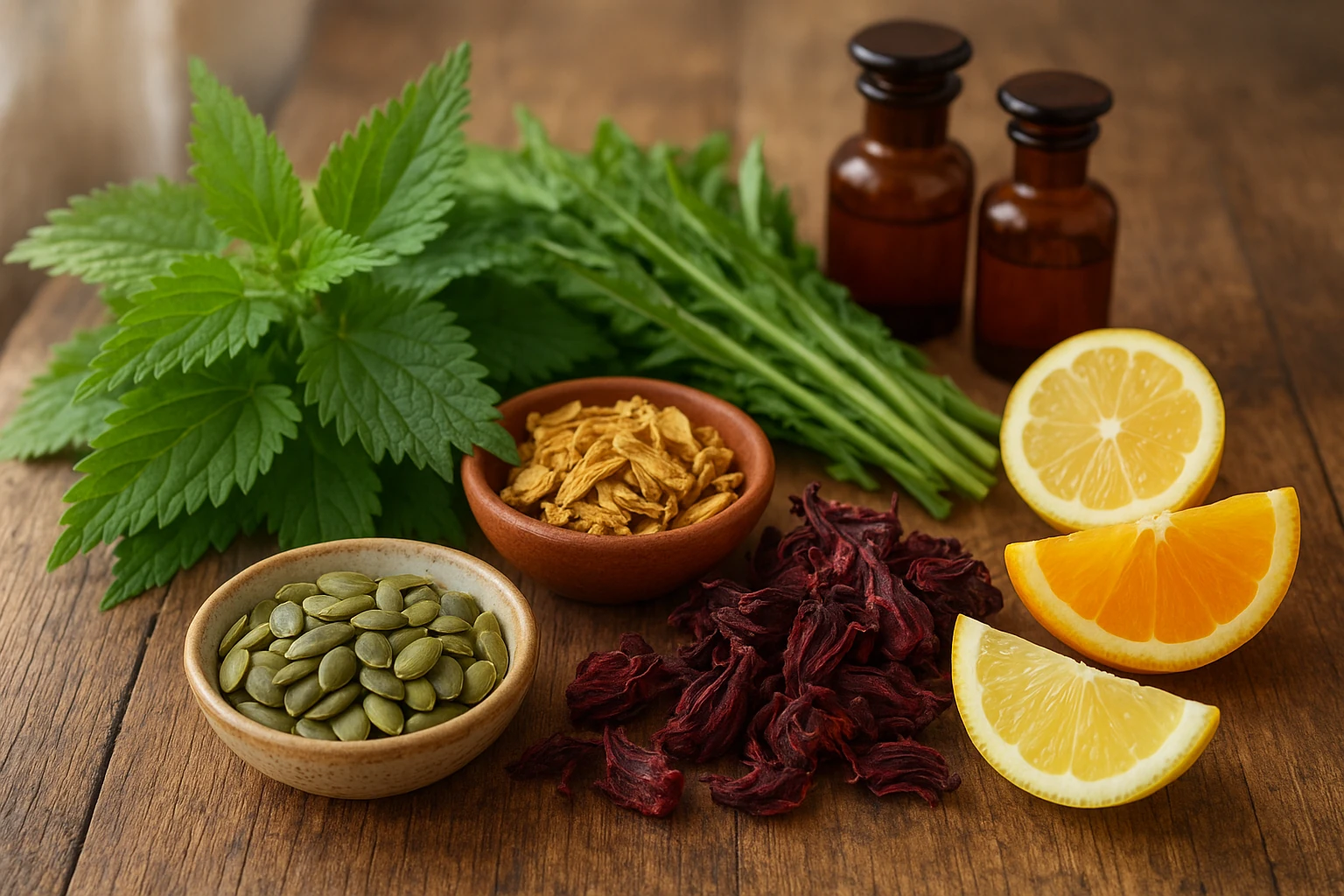
If you have ever felt unexplained afternoon exhaustion, cold hands and feet, brittle nails, or foggy mornings, you are not alone. Iron deficiency is the single most common nutritional shortfall worldwide. Yet, for millions of people, standard pharmacy iron pills bring an unwelcome trade-off: severe constipation, cramping, nausea, and an unpleasant metallic aftertaste.
Fortunately, nature offers a gentler, highly bioavailable alternative. Long before modern synthetic supplements, traditional herbalists relied on mineral-rich botanicals and wild herbs to revitalize sluggish blood, restore vitality, and nourish the body at a cellular level.
In this practical guide, we will unpack the science and tradition behind plant-based iron herbs, demystify natural botanical minerals, reveal the top 7 herbs for healthy hemoglobin, and share an easy DIY daily tonic recipe to keep your energy vibrant.
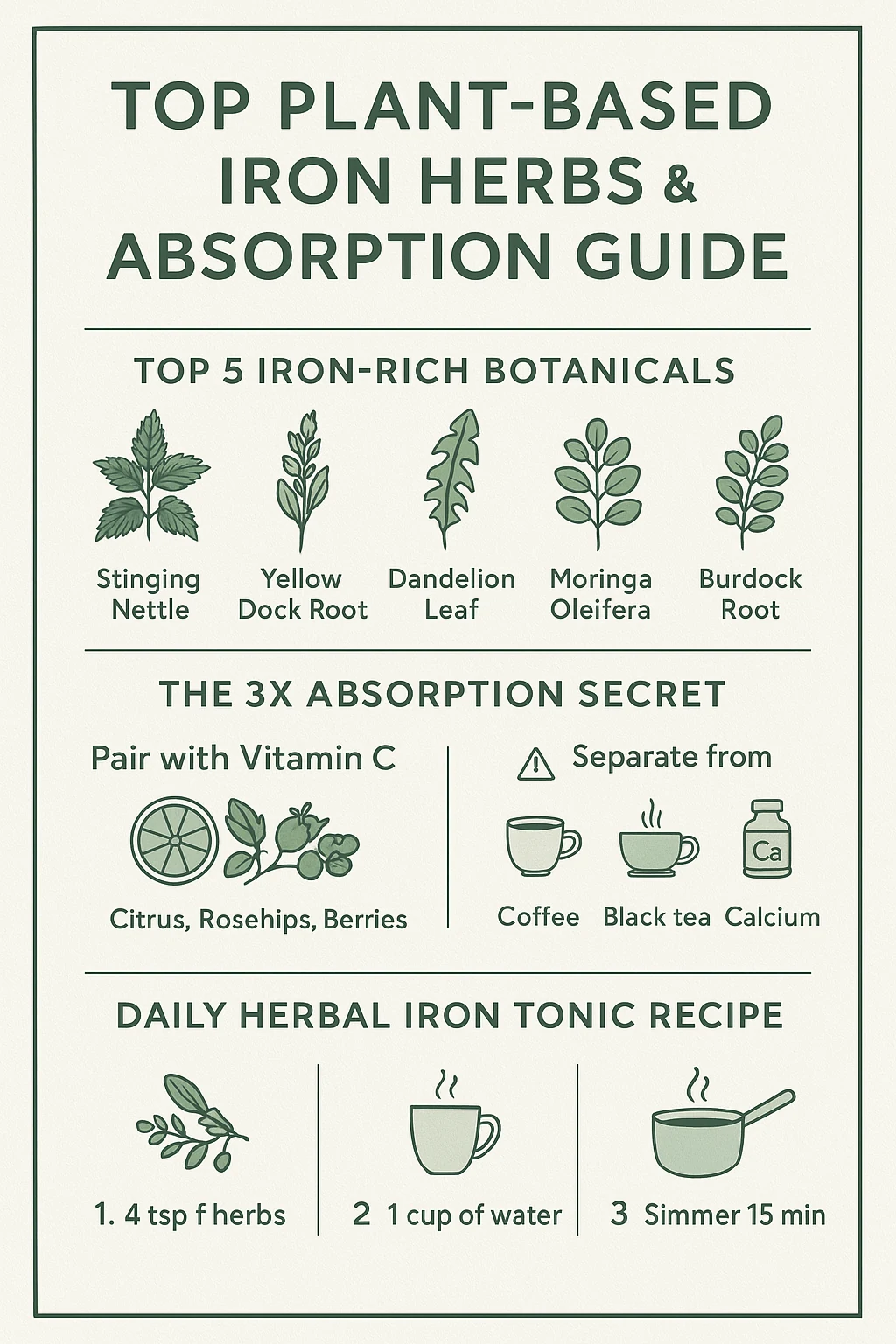
📋 Medical Summary & Clinical Key Takeaways
- Botanical Non-Heme Iron: Plant-based non-heme iron (ferric Fe³⁺) bound to natural flavonoids, chlorophyll, and organic acids bypasses the severe gastrointestinal toxicity common to high-dose synthetic ferrous sulfate.
- The Vitamin C Synergist: Co-administering natural organic ascorbic acid (from rosehips and hibiscus) reduces ferric iron to highly soluble ferrous iron (Fe²⁺), boosting duodenal DMT1 enterocyte transport by over 300%.
- Phytochemical Cofactors: Stinging nettle, yellow dock, and moringa provide critical hematopoietic co-factors (copper, folate, chlorophyll, and manganese) essential for enzymatic iron incorporation into protoporphyrin.
- Absorption Optimization: Separating polyphenol-dense black teas, calcium supplements, and phytic acid grains by two hours preserves intestinal mucosal uptake and prevents premature chelation.
1. Demystifying Plant-Based Iron & Natural Minerals
In holistic wellness circles—most notably popularized by traditional herbal systems—you will often hear references to “iron fluorine” or organic vegetal iron. While modern chemistry classifies iron (Fe) and fluorine (F) as separate elemental ions, traditional botanical medicine uses these concepts to describe naturally chelated, water-soluble organic minerals bonded within living plant tissues. For individuals experiencing chronic fatigue or seeking to differentiate iron-deficiency anemia from megaloblastic or inflammatory causes, read our comprehensive clinical guide to anemia types, warning signs, and blood recovery. Plant-based athletes pairing dietary iron with muscle recovery should also consult our guide to high-protein vegan foods and amino acid optimization.
Why does this distinction matter so much to your stomach?
- Synthetic Iron Supplements (Ferrous Sulfate): These are inorganic iron salts. They can trigger oxidative stress in the delicate lining of your gut, frequently resulting in painful bloating, dark hard stools, and gastric irritation.
- Plant-Based (Non-Heme) Botanical Iron: In herbs like stinging nettle and yellow dock, iron is organically bound with natural chlorophyll, vitamin C, flavonoids, and balancing trace minerals (such as magnesium, copper, and natural fluorides). This natural matrix allows your body to assimilate what it needs smoothly without shocking your digestive tract.
2. The 7 Most Powerful Iron-Rich Herbs and Botanicals
Here are the seven standout botanicals celebrated for supporting healthy red blood cell production, balanced ferritin levels, and daily vitality.
1. Stinging Nettle Leaf (Urtica dioica) — The Queen of Blood Tonics
Nettle is the undisputed powerhouse of herbal blood nutrition. Rich in non-heme iron, chlorophyll, vitamin C, calcium, and trace silica, nettle leaf provides the exact co-nutrients your bone marrow needs to synthesize hemoglobin. Because chlorophyll shares a nearly identical molecular structure with human hemoglobin—differing primarily in its central atom (magnesium in chlorophyll versus iron in hemoglobin)—consuming deep-steeped nettle infusion accelerates erythrocyte rebuilding. Drinking a rich overnight nettle infusion delivers a restorative green tonic that nourishes adrenal glands, restores electrolyte reserves, and counters chronic fatigue.
2. Yellow Dock Root (Rumex crispus) — The Iron Extractor
Yellow dock is revered in clinical herbalism for a unique reason: it does not just provide bioavailable iron; it stimulates bile flow and helps the intestines absorb iron from the other foods you eat. Containing unique anthraquinone glycosides, yellow dock exerts a mild peristaltic action on the lower bowel, which completely eliminates the severe gastrointestinal cramping and constipation typical of synthetic ferrous pills. By improving hepatic bile excretion, it optimizes mucosal surface area for maximal mineral diffusion across the jejunum.
3. Dandelion Leaf & Root (Taraxacum officinale)
Often dismissed as a common yard weed, dandelion is an extraordinary nutrient reservoir. Dandelion leaves are abundant in iron, potassium, and vitamins A and K, while the roasted root supports healthy hepatic detoxification. A cleaner, more active liver processes and recycles ferritin much more efficiently while supplying the digestive enzymes needed to break down nutrient complexes. Explore our in-depth clinical guide on the multi-organ benefits of dandelion root for liver detox, bile flow, and digestive health.
4. Moringa Leaf (Moringa oleifera) — The Green Miracle
Native to parts of Africa and Asia, moringa leaves contain roughly three to four times more iron than spinach per gram of dry weight. Even better, moringa is loaded with natural ascorbic acid (vitamin C), which significantly accelerates non-heme iron uptake into your bloodstream. Rigorous clinical trials published in Phytotherapy Research (PubMed PMID: 29630456) demonstrate that Moringa oleifera leaf supplementation significantly improves serum ferritin, total hemoglobin concentrations, and mean corpuscular volume without inducing mucosal inflammation or gastric distress. Its rich complement of complete plant protein and quercetin makes it an indispensable daily hematological tonic.
5. Burdock Root (Arctium lappa)
With roots reaching deep into untouched subsoil, burdock draws up dense concentrations of iron, inulin prebiotic fiber, and trace minerals. It acts as an internal blood cleanser and lymphatic mover, making it a cornerstone herb for clearing sluggish skin and building sustained vitality. The fructooligosaccharide inulin nourishes protective bifidobacteria in the large intestine, creating an optimal acidic microenvironment that enhances secondary mineral salvage throughout the lower colon.
6. Hibiscus Flowers & Rosehips — The Vitamin C Synergists
While hibiscus and rosehips contribute modest amounts of trace iron, their real superpower is their extraordinarily high concentration of natural organic bioflavonoids and vitamin C. Adding tangy ruby hibiscus calyces to your iron herbal brew instantly doubles its bioavailability. Hibiscus anthocyanins and rosehip ascorbic acid chelate ferric ions in the stomach, keeping them in an absorbable soluble state even when transit moves into the more alkaline duodenum.
7. Blackstrap Molasses & Pumpkin Seeds
While botanical herbs form the foundation, combining them with concentrated whole-food powerhouses yields remarkable results. One tablespoon of unsulfured blackstrap molasses delivers approximately 3.5 mg of iron alongside copper and magnesium, while a handful of raw pepitas (pumpkin seeds) provides zinc and healthy fats that support hormone balance.
3. Plant Iron vs. Synthetic Iron: Quick Comparison
| Feature | Plant-Based Herbal Iron | Synthetic Pharmacy Iron (Ferrous Sulfate) |
|---|---|---|
| Digestive Impact | Gentle, soothing, supports healthy bowel motility | Frequent cause of severe constipation, bloating, nausea |
| Mineral Form | Organically bound within chlorophyll & bioflavonoids | Inorganic metal salt requiring heavy liver processing |
| Synergistic Co-factors | Includes Vitamin C, Vitamin K, Silica, Magnesium | Isolated single element (Fe) |
| Toxicity Risk | Very low; body self-regulates plant non-heme uptake | Risk of oxidative iron overload if unmonitored |
| Energy Sustainability | Steady, nourishing, builds overall vitality | Quick blood spike, but often discontinued due to side effects |
4. Natural Trace Fluorides: What About Teeth & Bones?
Just as plants absorb iron from healthy loam, certain herbs selectively concentrate natural trace fluorides, silica, and calcium that protect dental enamel and skeletal strength without the controversies associated with industrial chemical additives:
- Horsetail (Equisetum arvense): Rich in natural organic silica and minerals that fortify tooth enamel and strengthen brittle finger nails.
- Organic Green & White Tea: Naturally gathers trace fluoride ions from soil water, lending gentle oral antimicrobial defense when sipped unsweetened.
- Spearmint, Thyme & Sage: Traditional kitchen garden botanicals containing trace restorative minerals and aromatic compounds that refresh gums and oral tissues.
5. The 3X Absorption Secret: Rules for Maximum Uptake
Plant-based iron is categorized biochemically as non-heme iron. While non-heme iron is exceptionally safe and gentle, its baseline absorption rate is lower than animal heme iron. However, clinical nutritional research published in the International Journal for Vitamin and Nutrition Research (PubMed PMID: 15277160) demonstrates that co-administering dietary ascorbic acid with botanical non-heme iron overcomes the inhibitory effect of dietary phytates and polyphenols, enhancing duodenal divalent metal transporter 1 (DMT1) uptake by up to 300%. To evaluate whether concurrent micronutrient shortfalls are compounding your fatigue, review our comprehensive clinical guide on which vitamins you may be missing. You can dramatically elevate iron absorption by following these core rules:
- The Golden Vitamin C Partnership: Ascorbic acid reduces ferric iron (Fe3+) into ferrous iron (Fe2+), the precise form your intestinal wall can absorb rapidly. Always take your iron herbs with fresh lemon juice, camu camu, berries, or bell peppers.
- Beware the Two-Hour Absorption Thieves: Both tannins (found in coffee and heavy black teas) and calcium (found in dairy and antacids) physically bind to non-heme iron molecules, preventing your body from absorbing them. Always separate your herbal iron teas from your morning coffee or dairy meals by at least 90 to 120 minutes.
- Cook in Cast Iron: Preparing your soups, lentil stews, or herbal syrups in seasoned cast iron cookware naturally transfers safe micro-doses of elemental iron directly into your food.
6. DIY Recipe: The Daily Herbal Blood-Builder Tea
Here is an easy, delicious herbal infusion you can brew on your kitchen counter to supply clean daily mineral nutrition:
- 2 tbsp Dried Stinging Nettle Leaf
- 1 tbsp Dried Dandelion Leaf or Root
- 1 tbsp Dried Hibiscus Flowers (for tangy flavor and vitamin C)
- 1 tsp Dried Yellow Dock Root (or 1 full dropper of tincture)
- 1 quart (4 cups) Filtered boiling water
- Optional: 1 tsp raw honey or unsulfured blackstrap molasses
Instructions: Place the herbs inside a 1-quart glass Mason jar. Pour boiling water over the herbs, seal the jar tightly with a lid, and let it steep for 4 to 8 hours (or overnight). In the morning, strain the deep emerald-ruby liquid into a glass, stir in a squeeze of fresh lemon, and sip half in the morning and half in the afternoon between meals.
7. Recommended Herbal Blood & Mineral Support
If you prefer ready-to-use, lab-tested organic botanicals rather than foraging or blending loose herbs at home, here are three highly rated herbal staples:
Traditional Medicinals Organic Nettle Leaf Tea
100% pharmacopoeial-grade organic stinging nettle leaf. Naturally rich in gentle botanical iron, minerals, and restorative chlorophyll for daily vitality.
Herb Pharm Certified Organic Yellow Dock Extract
Liquid herbal tincture crafted from sustainably wildcrafted yellow dock root. Supports healthy iron assimilation and gentle digestion without binding.
Pure Synergy Pure Radiance Organic Vitamin C
Whole-food organic vitamin C from wild camu camu and organic acerola berries. The ideal natural catalyst to triple your plant iron absorption.
Alkalizing botanical minerals support optimal renal acid-base balance; learn more in our detailed handbook to the alkaline diet and cellular pH regulation.
Related Clinical & Hematology Guides
- Anemia Clinical Guide: Types, Warning Signs, Root Causes & Blood Recovery
- Which Vitamins Are You Missing? Deficiency Signs & Bioavailable Remedies
- Fennel & Phytoestrogen Science: Endocrine Balance & Clinical Protocols
- High-Protein Vegan Foods: Complete Plant-Based Muscle & Nutrition Guide
- Dandelion Healing Benefits: Liver Detox, Inulin Science & Digestion
Frequently Asked Questions
Can I raise my ferritin levels using herbs alone?
Yes, for mild to moderate deficiencies, consistent intake of concentrated herbal infusions (especially nettle, yellow dock, and moringa paired with whole-food vitamin C) can steadily improve both ferritin and hemoglobin markers over 8 to 12 weeks. If you suffer from severe clinical anemia, always work with a physician to monitor lab values.
Does plant-based iron cause constipation?
No. Unlike synthetic ferrous sulfate, plant non-heme iron is organically integrated into gentle herbal fibers, natural sugars, and bioflavonoids that nourish bowel regularities rather than freezing peristalsis.
When is the best time of day to drink iron-rich tea?
Mid-morning or mid-afternoon on an empty or light stomach—at least 90 minutes away from coffee, black tea, or high-calcium dairy meals to guarantee maximum intestinal uptake.
Medical Disclaimer: This article is intended for educational purposes only and is not a substitute for professional medical diagnosis or treatment. Always consult a qualified healthcare provider before introducing new herbal protocols, especially if pregnant, nursing, or managing chronic blood conditions.