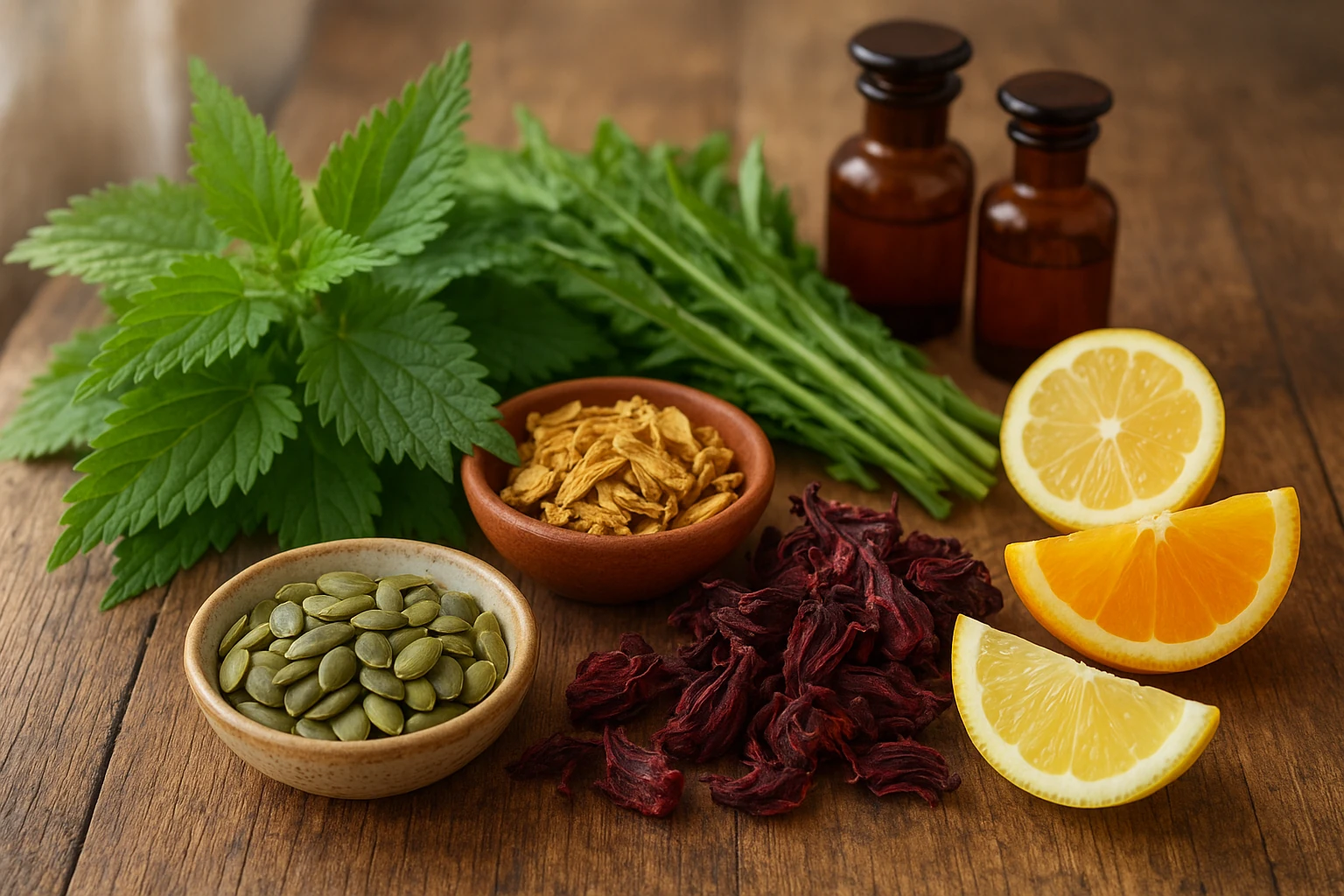
Waking unrefreshed, breathless after mild exertion, and battling cold extremities are hallmarks of oxygen starvation. When hemoglobin drops, cellular respiration falters, triggering an energy crisis that affects your brain, heart, and metabolic health.
This is the silent reality of anemia: a medical condition characterized by an insufficient quantity of healthy red blood cells (erythrocytes) or an inadequate concentration of hemoglobin, the iron-rich protein that binds and delivers oxygen to every tissue, muscle, and organ in the human body. When hemoglobin drops, cellular respiration falters, triggering an energy crisis that affects your heart, brain, immune system, and metabolism.
While iron deficiency is the most widespread cause, anemia is far from a one-size-fits-all condition. Simply swallowing random high-dose iron pills without understanding your underlying biological type often leads to stubborn constipation, nausea, or even tissue toxicity while failing to raise your true cellular iron reserves. Below is an authoritative, evidence-grounded guide to decoding the different types of anemia, recognizing classic and subtle symptoms, understanding iron absorption, and implementing proven natural protocols to restore vital blood health.
📋 Medical Summary & Clinical Key Takeaways
- Etiological Spectrum: Anemia encompasses multiple distinct pathologies: microcytic iron deficiency, megaloblastic B12/folate deficiency, hemolytic destruction, and chronic inflammatory anemia.
- The Hepcidin Paradox: High daily iron dosing triggers hepatic hepcidin spikes, blocking ferroportin channels; alternate-day dosing improves absorption by 34% with minimal GI distress.
- Diagnostic Biomarkers: Full evaluation requires complete blood count (CBC) alongside serum ferritin (<30 ng/mL), transferrin saturation (<20%), and reticulocyte counts to identify latent depletion.
- Synergistic Recovery: Restoring hemoglobin requires pairing bioavailable chelated iron or mineral botanicals with vitamin C, active methylated B12, and gut microbiome optimization.
Decoding the 5 Primary Types of Anemia
Anemia is a clinical umbrella term encompassing multiple distinct physiological disorders. Identifying which mechanism is at play is essential for choosing the right recovery strategy:
- 1. Iron-Deficiency Anemia (IDA): The most common nutritional deficiency, affecting 1.6 billion people. Clinical management guidelines in The American Journal of Medicine (PubMed PMID: 26368481) confirm that diagnosis requires evaluating serum ferritin (<30 ng/mL) and transferrin saturation (<20%) to distinguish pure iron deficiency from inflammatory anemia.
- 2. Vitamin-Deficiency Anemia (Megaloblastic / Pernicious): Lacking vitamin B12 or folate produces abnormally large, fragile red blood cells. Chronic alcohol intake also induces direct bone marrow suppression and macrocytosis; explore recovery protocols in our clinical guide to alcohol neurobiology and safe detoxification.
- 3. Anemia of Chronic Disease (ACD): Chronic inflammatory cytokines stimulate hepcidin, sequestering iron inside macrophages and away from erythropoiesis.
- 4. Hemolytic Anemia: Occurs when red blood cells are prematurely destroyed (hemolyzed) in the spleen or bloodstream faster than the bone marrow can replace them. Causes include autoimmune reactions, inherited hemoglobinopathies (like sickle cell trait or thalassemia), or mechanical damage from prosthetic heart valves.
- 5. Aplastic Anemia: A rare, life-threatening condition where bone marrow stem cells are damaged by autoimmune attacks, toxic chemicals, radiation, or viral infections, halting the production of all three blood cell lines (red cells, white cells, and platelets).
9 Warning Symptoms You Should Never Ignore
Because the body adapts to declining oxygen transport over weeks and months, anemia often sneaks up gradually. Watch closely for this constellation of physical and neurological signals:
1. Unrelenting Cellular Exhaustion
Anemic fatigue is cellular. Low hemoglobin deprives mitochondria of oxygen, leaving you deeply exhausted despite adequate sleep.
2. Pale Skin, Gums, and Inner Eyelids (Conjunctival Pallor)
Hemoglobin provides blood with its red hue. When levels drop, blood shunts away from the skin and mucous membranes to vital organs, causing conjunctival and palmar pallor.
3. Exertional Dyspnea (Shortness of Breath)
When oxygen-carrying capacity drops, breathing rate accelerates during mild exertion like climbing stairs to compensate for cellular hypoxia.
4. Heart Palpitations & Tachycardia
To compensate for lower oxygen concentrations, the cardiac pump beats faster and harder, causing noticeable pounding palpitations or tachycardia.
5. Dizziness, Lightheadedness & Orthostatic Drops
Inadequate cerebral perfusion causes transient lightheadedness, dizziness, and orthostatic drops upon standing.
6. Chronic Cold Hands and Feet
Peripheral vasoconstriction directs limited oxygen toward vital core organs, leaving hands and feet persistently freezing.
7. Brittle “Spoon Nails” & Angular Cheilitis
Chronic iron deficiency impairs epithelial turnover, producing brittle concave spoon nails (koilonychia) and painful fissures at mouth corners.
8. Restless Legs Syndrome (RLS)
Iron is an essential cofactor for dopamine synthesis in the brain; depletion frequently triggers irresistible nocturnal urges to move the legs.
9. Pica (Craving Ice, Dirt, or Cornstarch)
Severe iron deficiency provokes pagophagia—an intense, compulsive craving to chew ice cubes, dirt, or chalk, which resolves upon iron repletion.
The Iron Absorption Paradox: Why Supplements Often Fail
Consuming iron is not the same as absorbing it. The human gut absorbs only 5% to 15% of oral non-heme iron. Landmark clinical trials published in The Lancet Haematology (PubMed PMID: 29054394) reveal that large daily iron doses trigger acute spikes in hepatic hepcidin, closing intestinal ferroportin channels for 24 to 48 hours; alternate-day dosing optimizes fractional absorption by 34% while reducing gastrointestinal irritation. Understanding these biochemical dynamics is essential for clinical recovery:
- Heme vs. Non-Heme Iron: Heme iron (meat, seafood) is absorbed intact at 15%–35%. Non-heme plant iron (Fe³⁺) requires gastric acid conversion to ferrous iron (Fe²⁺) before cellular uptake.
- The Hepcidin Gatekeeper: Hepcidin downregulates intestinal ferroportin. Alternate-day dosing avoids persistent hepcidin spikes, maximizing fractional absorption while reducing gastrointestinal irritation.
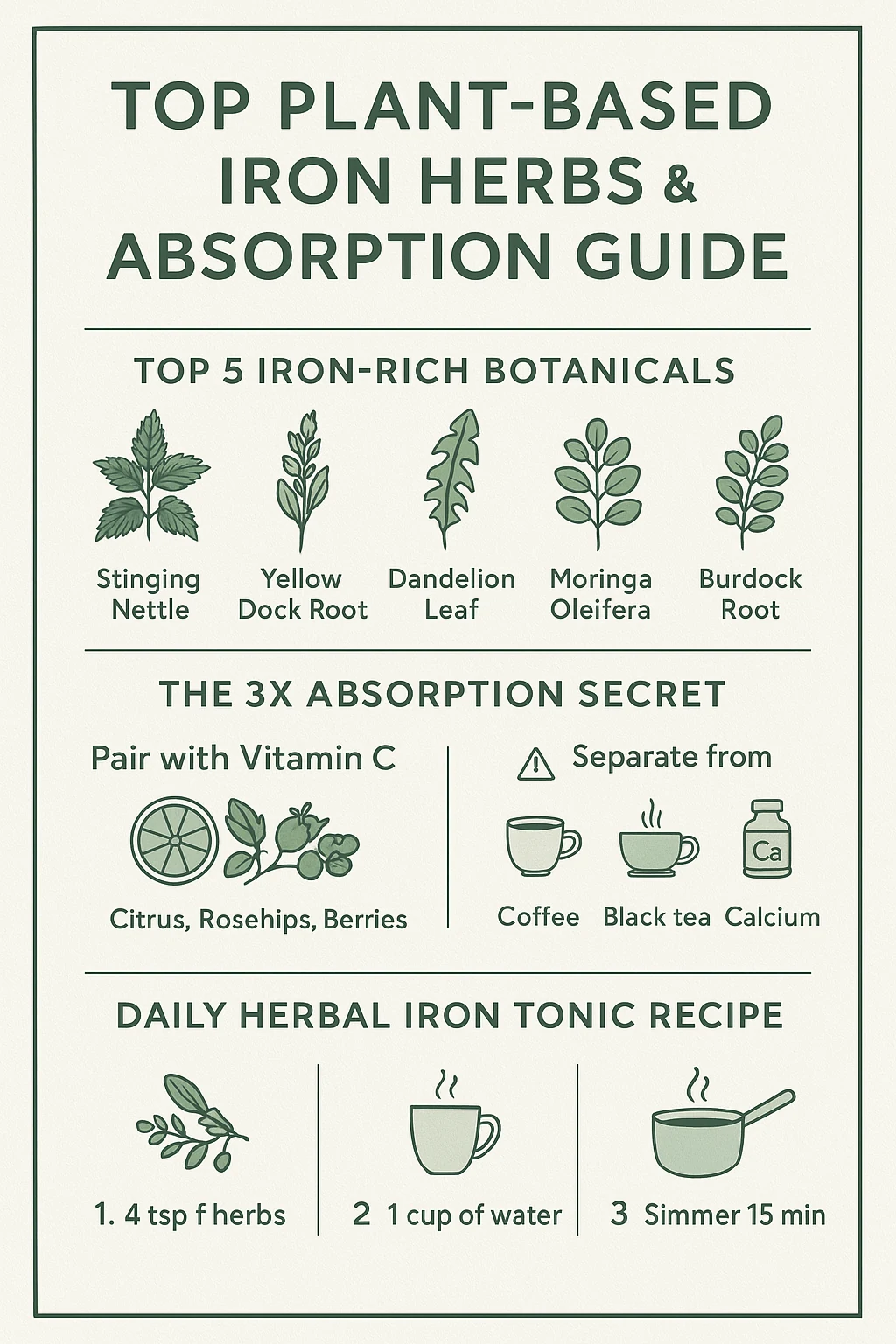
- Vitamin C Synergy: Co-ingesting 100–200 mg ascorbic acid reduces ferric iron to soluble ferrous iron, increasing absorption by up to 300%.
- Inhibitors to Separate: Tannins in tea, phytates in grains, and calcium compete for transporters; separate these from iron-rich meals by two hours.
5 Evidence-Based Steps to Rebuild Your Blood Naturally
Whether your goal is preventing future relapses or restoring borderline low iron reserves, this structured 5-step natural protocol addresses the root drivers of blood formation:
Step 1: Focus on Synergistic Whole Foods
Incorporate nutrient-dense heme sources (pastured egg yolks, grass-fed beef liver, wild sardines) alongside plant sources (cooked dark leafy greens, sprouted lentils, pumpkin seeds, and unsulphured blackstrap molasses).
Step 2: Optimize Stomach Acid & Gut Microbiome Health
Insufficient stomach acid (hypochlorhydria) impairs non-heme iron ionization. Dilute 1 tablespoon of apple cider vinegar in water before meals, and resolve gut inflammation to optimize duodenal absorption.
Step 3: Harness Botanical Blood Builders
Herbal medicine provides gentle, non-constipating botanicals rich in organic trace minerals. For a comprehensive analysis of non-heme botanical decoctions, read our dedicated guide on plant-based iron and mineral-rich herbs:
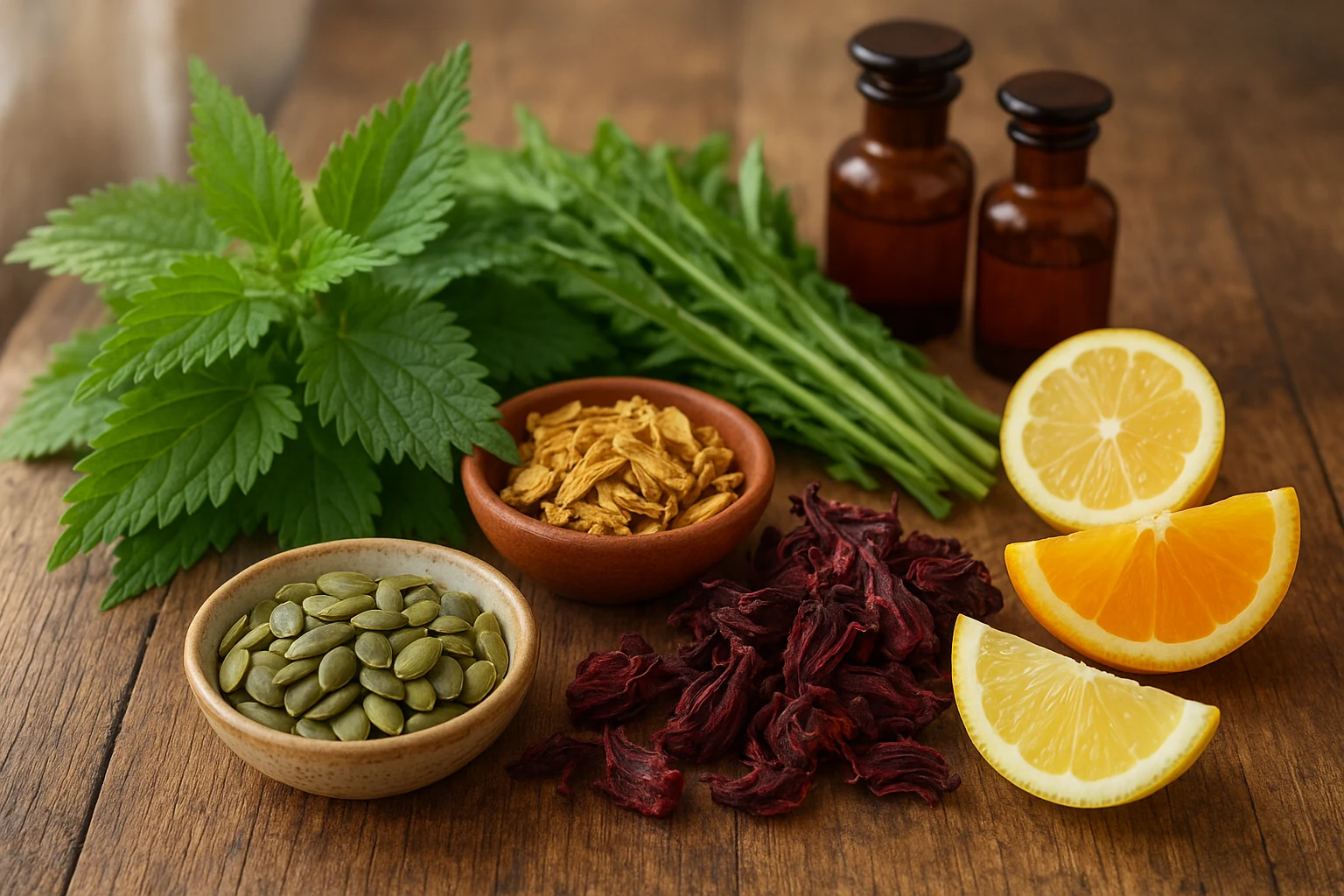
- Stinging Nettle Leaf (Urtica dioica): One of the richest botanical reservoirs of organic iron, vitamin C, chlorophyll, and trace minerals. Drinking a concentrated overnight nettle infusion (steeping 1 ounce of dried nettle leaf in 1 quart of boiling water for 8 hours) provides a highly bioavailable restorative blood tonic.
- Yellow Dock Root (Rumex crispus): A traditional European bitter herb that contains anthraquinones that stimulate bile production and enhance the gut’s mucosal absorption of plant-derived non-heme iron.
- Dandelion Leaf & Root (Taraxacum officinale): Stimulates liver bile, supports phase-II detoxification, and provides potassium and iron while gently cleansing the lymphatic system.
- Moringa Oleifera: Ground moringa leaf powder contains significantly more iron per gram than spinach, alongside high concentrations of vitamin A, beta-carotene, and natural ascorbic acid.
Step 4: Restore Essential Methylation Co-Factors (B12 & Folate)
Iron cannot form functional red blood cells alone. If your red blood cells are abnormally enlarged (high MCV on lab work), evaluate your vitamin B12 and folate levels. Use bioavailable coenzyme forms—specifically methylcobalamin and adenosylcobalamin for B12, and L-methylfolate (5-MTHF) rather than synthetic folic acid, particularly if you carry common MTHFR genetic polymorphisms.
Step 5: Cook in Traditional Cast Iron Skillets
A simple culinary habit proven in multiple peer-reviewed nutrition trials: cooking acidic foods (such as tomato sauce, lemon stews, or sautéed vegetables with apple cider vinegar) in a well-seasoned cast-iron skillet leaches significant amounts of bioavailable dietary iron directly into your food, boosting meal iron content by up to 200% to 500% naturally.
Essential Blood Work Diagnostic Reference Guide
Many doctors run only a basic Complete Blood Count (CBC). However, hemoglobin can remain stubbornly “normal” for months while your deep iron stores are completely exhausted. To get an accurate clinical picture, request a full Iron & Anemia Panel:
| Biomarker | Standard Lab Range | Optimal Functional Target | Clinical Significance |
|---|---|---|---|
| Ferritin (Iron Storage) | 15 – 150 ng/mL (women) 30 – 400 ng/mL (men) | 50 – 90 ng/mL | True measure of bone marrow iron reserves. Levels below 30 ng/mL trigger profound fatigue and hair shedding even with normal hemoglobin. |
| Hemoglobin (Hgb) | 12.0 – 15.5 g/dL (women) 13.5 – 17.5 g/dL (men) | 13.0 – 15.0 g/dL (women) 14.5 – 16.5 g/dL (men) | Direct oxygen-carrying protein in red blood cells. |
| Transferrin Saturation | 15% – 50% | 25% – 35% | Percentage of iron transport proteins currently loaded with iron. Values below 20% indicate iron-starved bone marrow. |
| Total Iron-Binding Capacity (TIBC) | 250 – 450 μg/dL | 270 – 350 μg/dL | Rises significantly when iron stores are depleted as the body desperately produces more empty carrier proteins. |
| Mean Corpuscular Volume (MCV) | 80 – 100 fL | 85 – 92 fL | Average red blood cell size. Low MCV (< 80) indicates iron deficiency; high MCV (> 95) indicates B12/folate deficiency. |
| Vitamin B12 (Active) | 200 – 900 pg/mL | 550 – 850 pg/mL | Critical for red blood cell DNA synthesis and myelin sheath integrity. |
Curated Blood Health & Iron Essentials
If your lab tests confirm depleted iron reserves, standard cheap drugstore iron pills (like ferrous sulfate) often cause intolerable nausea, black tarry constipation, and stomach cramps. These three carefully formulated, third-party tested supplements provide highly bioavailable, gentle, non-constipating options:
1. MegaFood Blood Builder
Clinically proven in an 8-week clinical study to increase iron stores and ferritin without causing nausea or constipation. Formulated with 26 mg of gentle food-bound iron alongside whole food vitamin C (organic oranges), methylated B12, folate, and beetroot.
2. Thorne Iron Bisglycinate 25mg
Pure, medical-grade chelated ferrochel iron. Bound to two glycine molecules, allowing it to bypass stomach acid and absorb directly in the small intestine intact. NSF Certified for Sport with zero gastrointestinal irritation or cramping.
3. Traditional Medicinals Organic Nettle Leaf Herbal Tea
USDA Certified Organic stinging nettle leaf tea bags. Harvested at peak botanical potency to deliver a rich infusion of bioavailable minerals, iron, chlorophyll, and flavonoids to naturally support kidney and hematopoietic blood health.
Emergency Red Flags: When to See a Hematologist Immediately
While nutritional deficiency is common, anemia can also be the initial clinical manifestation of serious underlying medical pathology. Seek immediate medical evaluation if you experience:
- Melena (Black Tarry Stools): Signals active upper gastrointestinal bleeding from ulcers or vascular lesions requiring emergency endoscopy.
- Heavy Menorrhagia or Rectal Bleeding: Rapid, continuous blood loss requiring hourly sanitary changes necessitates urgent medical evaluation.
- Chest Pain, Angina, or Syncope: Cardiac ischemia or fainting under mild exertion signals critical tissue hypoxia demanding immediate ER evaluation.
Related Clinical & Hematology Guides
- Plant-Based Iron & Minerals: 7 Powerful Herbs for Energy & Absorption
- Which Vitamins Are You Missing? Deficiency Signs & Bioavailable Remedies
- Hormonal Imbalance in Men: Signs, Root Causes & Proven Natural Balance Strategies
- Fennel & Phytoestrogen Science: Endocrine Balance & Clinical Protocols
- Alcohol Use Disorder: Neurobiology, Safe Detox & Liver Recovery
Frequently Asked Questions (FAQ)
Why did my doctor say my blood work was “normal” when my ferritin is 18 ng/mL?
Many conventional lab reference ranges define “normal” ferritin as anything between 15 and 150 ng/mL. However, clinical hematology consensus establishes that ferritin below 30 ng/mL represents true iron deficiency without overt anemia. At 18 ng/mL, your body has run out of stored reserves, which frequently causes severe fatigue, brain fog, and chronic hair loss despite a normal hemoglobin reading on paper.
Can drinking black tea or coffee really block iron absorption?
Yes, substantially. Polyphenols and chlorogenic acids in coffee, and especially the condensed tannins in black and green tea, bind tightly to non-heme iron molecules in the stomach, forming an insoluble precipitate that cannot be absorbed. Studies show that drinking black tea with an iron-rich meal reduces iron absorption by up to 60% to 70%. Always enjoy your tea or coffee at least 90 minutes before or after an iron-rich meal.
How long does it take to rebuild iron and ferritin stores?
While subjective energy levels often improve within 2 to 3 weeks of starting a gentle, bioavailable supplement regimen, fully replenishing bone marrow ferritin storage takes 3 to 6 months of consistent therapy. Red blood cells have a natural lifespan of roughly 120 days. Continue your protocol until repeat lab tests confirm ferritin has stabilized above 50 to 70 ng/mL, then transition to a lower dietary maintenance dose.
Can taking too much iron be dangerous?
Yes. Unlike water-soluble vitamins (such as vitamin C or B-complex) which excess amounts are eliminated through urine, the human body has no active physiological mechanism for excreting excess iron other than through blood loss. Excess unbound iron produces dangerous hydroxyl free radicals (the Fenton reaction) that damage the liver, heart, and pancreas. Never take high-dose iron supplements without baseline blood testing and medical oversight.
Medical Disclaimer: This article is intended strictly for educational and informational purposes and does not constitute medical diagnosis, treatment, or clinical healthcare advice. Anemia can stem from serious occult internal bleeding, kidney disease, or hematological disorders that require formal diagnosis by a licensed physician or board-certified hematologist. Always consult your healthcare provider before taking iron supplements.