
Mainstream medicine long treated “hormonal fluctuations” almost exclusively as a female health issue. Yet endocrinology reveals that hormonal balance is just as vital and delicate in men, regulating cognitive drive, body composition, cardiovascular vitality, and emotional resilience.
Today, men around the world are facing an unprecedented, quiet hormonal crisis. Longitudinal epidemiological studies reveal that average male testosterone levels have steadily declined by roughly 1% per year across successive generations since the 1980s. A 30-year-old man today frequently exhibits testosterone levels comparable to a 60-year-old grandfather from four decades ago, accompanied by skyrocketing rates of chronic fatigue, visceral obesity, metabolic syndrome, and unexplained mood disorders.
The good news is that male endocrine health is remarkably responsive to targeted lifestyle interventions, strategic nutrition, and clinically validated botanicals. Whether you are dealing with early signs of andropause, chronic stress-induced exhaustion, or subtle shifts in strength and libido, understanding your biological chemistry is the first step toward reclaiming your vitality. Below is a comprehensive, science-backed guide to recognizing male hormone disruption, identifying modern root causes, and implementing proven natural protocols to restore equilibrium.

📋 Medical Summary & Clinical Key Takeaways
- Epidemiological Shift: Population testosterone levels have declined by roughly 1% per year since the 1980s, accelerated by visceral adiposity, environmental xenoestrogens, and chronic sleep restriction.
- Interconnected Endocrine Web: Male vigor depends on an intricate multi-hormone axis: total and free testosterone, estradiol (via aromatase), DHEA, cortisol (HPA axis), and thyroid balance.
- Clinical Triage: Unexplained midday fatigue, visceral fat accumulation, and brain fog demand comprehensive biomarker panels rather than premature synthetic hormone administration.
- Evidence-Based Restoration: Standardized adaptogens (KSM-66 Ashwagandha), bioavailable zinc, compound resistance training, and deep slow-wave sleep naturally optimize the pituitary-gonadal axis.
The Male Endocrine Orchestra: Beyond Just Testosterone
While testosterone rightfully dominates conversations about male health, hormone balance is never about a single chemical in isolation. The endocrine system functions like an interconnected web, where an alteration in one messenger inevitably shifts the behavior of others:
- Total vs. Free Testosterone: Synthesized by testicular Leydig cells. Over 98% is bound to SHBG and albumin; only the unbound 1%–2% (Free Testosterone) is biologically active to drive muscle synthesis and neurochemical vigor.
- Cortisol: Secreted during stress. Chronic cortisol elevation suppresses hypothalamic GnRH, shutting down downstream testicular testosterone synthesis.
- Estradiol: Small amounts maintain bone density and cardiovascular health; excess estrogen causes gynecomastia and suppressed gonadotropins.
- DHEA & Thyroid: DHEA acts as a precursor prohormone, while thyroid hormones (T3/T4) regulate mitochondrial metabolism across endocrine tissue.
8 Warning Signs of Hormonal Imbalance in Men
Endocrine disruption rarely strikes overnight. Instead, it manifests as a subtle, progressive erosion of daily energy, body composition, and emotional drive. If you recognize several of the following red flags, an underlying hormonal shift may be the primary culprit:
1. Chronic Midday Fatigue & Loss of “Get-Up-and-Go”
Waking unrefreshed despite 8 hours of sleep and crashing heavily in the afternoon are classic hallmarks of blunted cortisol circadian rhythms and low free testosterone.
2. Stubborn Abdominal Fat & Vanishing Muscle Mass
Androgens preserve lean muscle and mobilize lipids. When testosterone drops and cortisol rises, the body prioritizes storing visceral fat around organs, aggravating insulin resistance.
3. Reduced Libido & Subtle Erectile Changes
A complete absence of morning erections, diminishing sexual thoughts, and subtle reductions in nocturnal tumescence directly reflect declining bioavailable free testosterone.
4. Irritability, Low Mood & “Irritable Male Syndrome”
Declining androgens frequently manifest as uncharacteristic cynicism, low frustration tolerance, and social withdrawal, clinically recognized as Irritable Male Syndrome.
5. Gynecomastia (Male Breast Tissue Sensitivity)
The aromatase enzyme converts testosterone into estradiol. Elevated estrogen in men stimulates glandular breast proliferation and nipple tenderness.
6. Brain Fog & Memory Lapses
Androgens support hippocampal acetylcholine and synaptic plasticity. Hormonal decline impairs spatial memory, processing speed, and sustained executive focus.
7. Sleep Architecture Breakdown & Night Sweats
Testosterone peaks during slow-wave sleep. Men with hormonal imbalance suffer frequent nocturnal awakenings and drenching night sweats.
8. Prolonged Joint Aches & Sluggish Recovery
Androgens drive collagen synthesis and muscular repair. Hormonal depletion causes persistent joint stiffness and prolonged post-exercise muscle soreness.
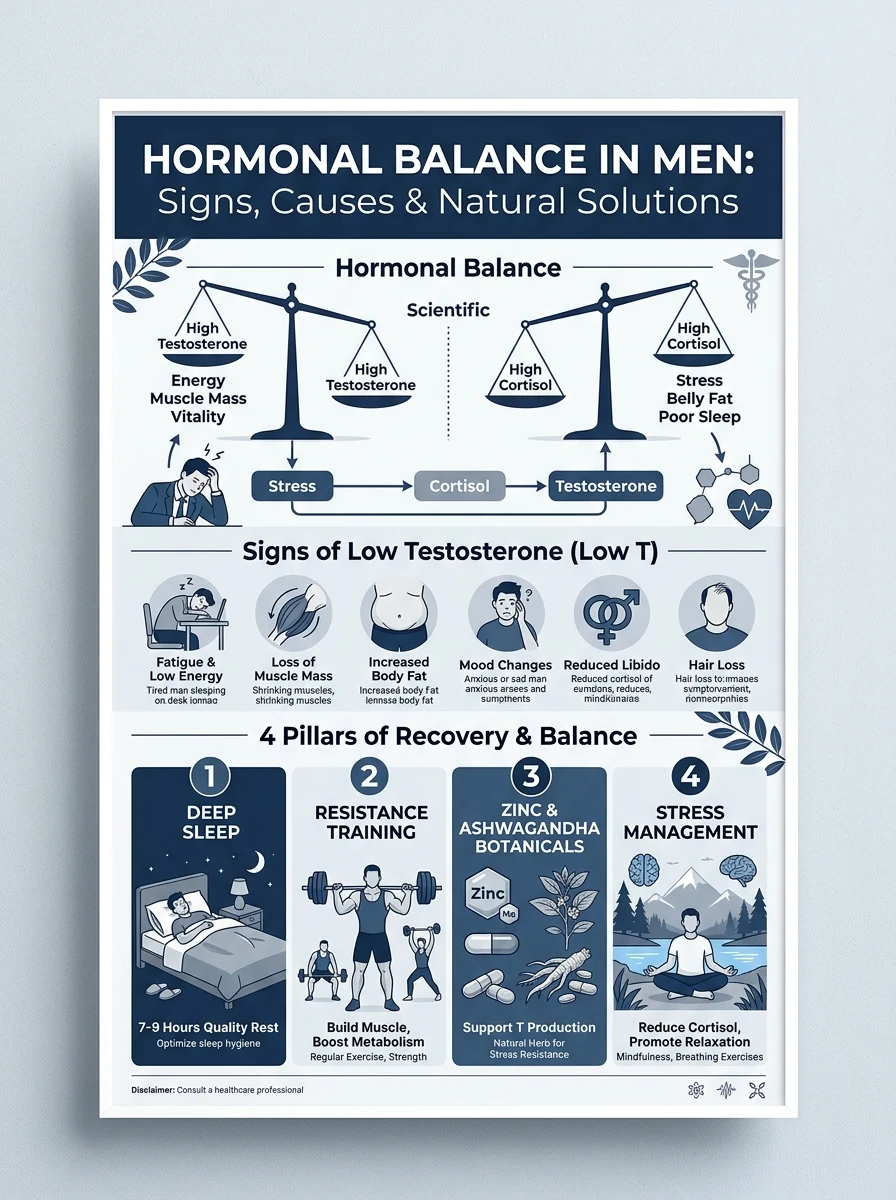
Root Causes: Why Are Modern Men Experiencing Premature Decline?
While age-related andropause typically causes a gradual drop of 1% per year after age 30, modern men experience precipitous drops decades early. Chronic alcohol consumption accelerates hepatic aromatase activity, converting circulating androgens into estrogens while impairing liver hormone detoxification; learn more in our clinical guide to alcohol neurobiology and safe recovery. The primary underlying drivers include:
- Environmental Xenoestrogens: BPA in food containers, phthalates in fragrances, and PFAS chemicals bind androgen receptors, blocking natural hormonal signaling.
- The Sleep Debt Epidemic: Over 70% of daily testosterone is synthesized during deep slow-wave REM sleep; restricting sleep to 5 hours nightly cuts testosterone by 15%.
- Visceral Adiposity & Aromatase: Abdominal visceral fat expresses high levels of aromatase, creating a vicious cycle that converts precious testosterone into estrogen.
- Chronic Hypercortisolemia: Persistent psychological stress forces adrenal pathways to prioritize catabolic cortisol synthesis over anabolic androgens.
The 5-Pillar Natural Recovery Blueprint
Rebalancing male hormones does not require extreme pharmaceutical interventions or synthetic hormone replacement therapy (TRT) as a first line of defense. By removing biological stressors and fueling the endocrine engine, most men can significantly restore their vitality naturally:
Pillar 1: Circadian Anchoring & Deep Sleep Hygiene
Prioritize 7.5 to 8 hours of uninterrupted sleep in a cool, dark room. View morning sunlight within 30 minutes of waking to anchor your circadian clock and optimize nocturnal androgen pulses.
Pillar 2: Heavy Compound Resistance Training & High-Intensity Sprints
Prioritize 3 to 4 weekly sessions of heavy compound resistance training (squats, deadlifts, presses, rows) paired with brief sprint intervals to trigger acute Growth Hormone and testosterone release without elevating chronic cortisol.
Pillar 3: Endocrine-Optimized Whole Foods Nutrition
Extreme low-fat diets are disastrous for male hormones because steroid hormones are synthesized directly from cholesterol. Additionally, systemic fatigue frequently stems from underlying micronutrient or oxygen-transport deficiencies; evaluate your iron markers via our clinical guide to anemia warning signs and blood recovery, and check for dietary gaps using our guide on which vitamins you may be missing. To explore how plant compounds modulate steroid hormone receptors, see our analysis of fennel and phytoestrogen science. Structure daily nutrition around endocrine-supportive whole foods:
- Healthy Saturated & Monounsaturated Fats: Pastured egg yolks, grass-fed beef, avocados, extra virgin olive oil, and coconut oil supply clean structural building blocks for sterol synthesis.
- Cruciferous Estrogen Clearers: Broccoli, Brussels sprouts, kale, and cauliflower are rich in Diindolylmethane (DIM) and Indole-3-Carbinol, compounds that support healthy liver phase-I and phase-II clearance of unfavorable estrogen metabolites.
- Zinc-Rich Whole Foods: Raw pumpkin seeds, oysters, wild salmon, and beef liver provide bioavailable zinc essential for preventing aromatization and preserving luteinizing hormone sensitivity.
- Eliminate Xenoestrogen Exposure: Swap plastic water bottles for stainless steel or glass, avoid microwaving food in plastic containers, and switch to clean, fragrance-free personal care products.
Pillar 4: Stress Modulation & Nervous System Down-Regulation
Incorporate deliberate parasympathetic resets daily. Ten minutes of box breathing, sauna sessions, cold exposure, or walks in nature significantly lower circulating cortisol, unlocking suppressed testicular pathways.
Pillar 5: Clinically Validated Botanicals & Micronutrients
When combined with lifestyle foundations, targeted adaptogenic botanicals and essential minerals offer profound hormonal support:
- Ashwagandha (KSM-66 Standardized Root Extract): The premier Ayurvedic adaptogen. Double-blind, placebo-controlled clinical trials published in the American Journal of Men’s Health (PubMed PMID: 31517876) demonstrate that standardized Withania somnifera significantly increases DHEA-S and free testosterone levels while suppressing elevated circulating cortisol.
- Tongkat Ali (Eurycoma longifolia / Longjack): A Southeast Asian root proven to stimulate luteinizing hormone and liberate bound testosterone from SHBG, significantly increasing free bioavailable testosterone and improving masculine vigor.
- Zinc Picolinate & Magnesium Glycinate: Zinc inhibits the aromatase enzyme that turns testosterone into estrogen, while magnesium prevents testosterone from binding too tightly to SHBG.
- Vitamin D3 & Vitamin K2: Vitamin D functions as a steroid neurohormone with nuclear receptors in testicular Leydig cells. Interventional trials published in Hormone and Metabolic Research (PubMed PMID: 21154195) confirm that resolving vitamin D deficiency through daily supplementation significantly elevates total, bioactive, and free testosterone levels in men.
- Boron (6 to 10 mg daily): A trace mineral that has been shown in clinical human studies to significantly reduce serum estradiol levels and free up circulating testosterone within one to two weeks of consistent supplementation.
Clinical Hormone Reference Table: Optimal vs. Imbalanced Ranges
When evaluating blood panels, standard laboratory “normal” reference ranges are often based on broad population averages that include sick, sedentary, and elderly men. Here is how conventional ranges compare to functional, optimal targets for healthy men:
| Biomarker | Standard Lab Range | Optimal Functional Target | Signs of Imbalance |
|---|---|---|---|
| Total Testosterone | 300 – 1,000 ng/dL | 650 – 900 ng/dL | Fatigue, muscle loss, depression (< 400 ng/dL) |
| Free Testosterone | 9 – 30 pg/mL | 18 – 25 pg/mL (approx. 2%) | Low libido, erectile struggles, sluggish gym recovery |
| Sensitive Estradiol (E2) | 10 – 40 pg/mL | 20 – 30 pg/mL | Gynecomastia, emotional instability (> 35 pg/mL) |
| Morning Cortisol (8:00 AM) | 6 – 23 μg/dL | 12 – 16 μg/dL | Exhaustion (< 8 μg/dL) or wired-and-tired (> 20 μg/dL) |
| SHBG | 10 – 57 nmol/L | 25 – 40 nmol/L | Binds too much free T (> 50) or insulin resistance (< 20) |
| Vitamin D3 (25-OH) | 30 – 100 ng/mL | 50 – 70 ng/mL | Impaired steroidogenesis, low immunity (< 30 ng/mL) |
Curated Male Endocrine Support Essentials
If you are looking to support your foundational lifestyle with clean, third-party tested, bioavailable botanical and mineral formulations, these three gold-standard supplements provide targeted hormonal support:
1. KSM-66 Ashwagandha Organic Root Extract
The most clinically researched ashwagandha extract in the world. Standardized to 5% withanolides using traditional root-only aqueous extraction. Proven in peer-reviewed trials to blunt excessive cortisol, protect testicular Leydig cells, and support restorative deep sleep.
2. Thorne Zinc Picolinate 30mg
Medical-grade, highly bioavailable chelated zinc. Backed by rigorous NSF Certified for Sport testing. Directly supplies the core catalytic mineral required by the pituitary gland to secrete Luteinizing Hormone (LH) while preventing excessive aromatization into estrogen.
3. Double Wood Tongkat Ali Extract 1020mg
Standardized Indonesian Eurycoma longifolia extract with added Tribulus. Formulated to free up tightly bound testosterone from SHBG, support physical stamina in the gym, and revitalize male drive and vitality safely without shutting down natural glandular production.
When to Consult a Physician & How to Get Tested
While natural diet, exercise, and botanicals can generate transformative improvements in mild to moderate hormonal imbalances, severe deficiency or sudden endocrine shifts require professional medical oversight. Consult a board-certified urologist or endocrinologist if you experience:
- Severe erectile dysfunction unresponsive to conservative lifestyle modifications.
- Rapid loss of secondary sexual hair or noticeable testicular atrophy.
- Unexplained bone density loss, osteoporosis, or spontaneous stress fractures.
- Painful, pronounced glandular breast tissue swelling beneath the nipples.
- Severe clinical depression, profound apathy, or intractable panic episodes.
The Golden Testing Rule: Because testosterone follows a strict diurnal rhythm that peaks sharply in the early morning and declines significantly by afternoon, all male hormone blood draws must be performed between 8:00 AM and 10:00 AM while in a fully fasted state. Afternoon blood draws will yield falsely depressed readings that do not reflect true baseline physiology.
Related Clinical & Endocrine Guides
- Anemia Clinical Guide: Types, Warning Signs, Root Causes & Blood Recovery
- Fennel & Phytoestrogen Science: Endocrine Balance & Clinical Protocols
- Alcohol Use Disorder: Neurobiology, Safe Detox & Liver Recovery
- Which Vitamins Are You Missing? Deficiency Signs & Bioavailable Remedies
- Back Pain Relief: Proven Causes, Red-Flag Symptoms & Natural Recovery Strategies
Frequently Asked Questions (FAQ)
What is andropause and how does it differ from female menopause?
Unlike female menopause with its abrupt ovarian cessation, male andropause is a gradual decline in androgens (~1% per year) that responds dynamically to lifestyle, sleep, and nutritional optimization.
How long does it take to balance male hormones naturally?
Because endocrine receptors and spermatogenesis operate on biological cycles, noticeable improvements in morning energy, mood, and sleep quality typically occur within 3 to 4 weeks of implementing clean sleep and stress protocols. Structural changes, such as measurable increases in free testosterone, visceral fat reduction, and muscle hypertrophy, generally require 8 to 12 weeks of consistent lifestyle adherence.
Do natural testosterone boosters shut down my body’s own hormone production?
No. Synthetic anabolic steroids and pharmaceutical testosterone replacement therapy (TRT) introduce exogenous hormones into the bloodstream, triggering negative feedback loops at the pituitary gland that shut down natural luteinizing hormone and testicular production. In contrast, natural botanicals like ashwagandha, Tongkat Ali, and zinc work by nourishing the pituitary-gonadal axis, clearing liver clearance bottlenecks, and reducing cortisol, thereby optimizing your body’s intrinsic production without suppression.
Can carrying excess body fat lower my testosterone levels?
Yes, dramatically. White visceral fat is not inert storage tissue; it is an active endocrine organ loaded with the aromatase enzyme. Aromatase converts active testosterone molecules directly into estradiol (estrogen). The more visceral belly fat a man carries, the more testosterone he converts to estrogen, which in turn signals the brain that enough total hormones exist, further depressing natural testicular output in a self-reinforcing downward spiral.
Medical Disclaimer: This article is intended strictly for educational, scientific, and informational purposes and does not constitute medical diagnosis, personalized treatment, or healthcare advice. Hormonal imbalances can sometimes stem from pituitary adenomas, thyroid disorders, or underlying cardiovascular conditions that require clinical evaluation. Always consult a qualified physician or endocrinologist before starting any new herbal, dietary, or supplement regimen.