Modern nutritional biochemistry has decisively dismantled the dogma that muscle hypertrophy requires animal protein. Top-tier lifters and Olympic athletes consistently prove that plant-based nutrition fuels elite muscular hypertrophy, power, and cellular recovery.
Physiologically, muscle fibers do not differentiate whether essential amino acids originate from animal tissue or sprouted legumes. Muscle protein accretion requires sufficient concentrations of essential amino acids—especially leucine—to activate Muscle Protein Synthesis (MPS). Below is an authoritative manual detailing plant protein digestibility, amino acid thresholds, the top 10 vegan protein powerhouses, and daily meal strategies.
📋 Clinical Summary & Plant Nutrition Key Takeaways
- Hypertrophy Equivalence: Equicaloric plant protein diets match whey and animal protein for muscle accretion and strength when daily leucine (2.7–3.0g per meal) and total protein (1.6–2.2 g/kg) targets are met.
- The Leucine Trigger: Plant athletes overcome lower single-source leucine by pairing complementary botanicals (e.g., lysine-rich legumes paired with methionine-rich grains).
- Bioavailability Optimization: Sprouting, soaking, and fermenting legumes markedly reduces phytates and trypsin inhibitors, increasing true ileal amino acid absorption.
- Micronutrient Synergy: High-protein plant regimens must be paired with bioavailable non-heme iron co-factors, active methylcobalamin, and trace zinc.
The Muscle Protein Synthesis (MPS) Science for Plant Lifters
Building muscle on a plant-based diet is not inherently more difficult than on an omnivorous diet, but it does require an understanding of how plant proteins behave within the digestive tract and bloodstream:
1. The Leucine Trigger Hypothesis & mTOR Activation
Muscle hypertrophy is regulated by an intracellular signaling pathway known as the mechanistic Target of Rapamycin (mTORC1). Landmark randomized clinical trials published in Sports Medicine (PubMed PMID: 33306400) demonstrate that plant-based protein regimens induce identical myofibrillar protein synthesis and muscular strength adaptations compared to animal protein when total daily intake and leucine saturation are matched. Mechanistic investigations in The Journal of Nutrition (PubMed PMID: 26224750) confirm that consuming 2.7 to 3.0 grams of leucine per feeding triggers maximal postprandial ribosomal biogenesis regardless of protein origin.
To fully saturate the leucine trigger and initiate maximal Muscle Protein Synthesis, an athlete needs roughly 2.5 to 3.0 grams of leucine per meal. Animal proteins (such as whey or steak) contain approximately 9% to 11% leucine by weight, whereas most plant proteins contain 6% to 8%. The practical takeaway for vegan athletes is straightforward: you can achieve the identical anabolic response as animal protein simply by consuming slightly larger protein portions (e.g., 35 to 45 grams of total plant protein per meal instead of 25 to 30 grams).
2. Digestibility: Understanding PDCAAS & DIAAS Scores
Early nutritional literature often disparaged plant proteins for having lower Protein Digestibility-Corrected Amino Acid Scores (PDCAAS). However, modern Digestible Indispensable Amino Acid Score (DIAAS) assessments confirm that soy isolate, pea protein, and cooked lentils exhibit digestibility exceeding 85% to 92%. Soaking, sprouting, and cooking denature protease inhibitors, neutralizing anti-nutrients and making amino acids readily bioavailable.
However, simple traditional food preparation techniques dramatically neutralize these anti-nutrients: soaking, sprouting, fermenting (as in tempeh), and heat cooking break down phytates and enzyme inhibitors, boosting plant protein bioavailability to over 85% to 92%—comparable to conventional animal sources.
3. Total Daily Protein Intake Targets
While the baseline Recommended Dietary Allowance (RDA) of 0.8 grams per kilogram of body weight is sufficient to prevent clinical deficiency in sedentary individuals, athletes and lifters pursuing muscular hypertrophy require significantly more. Sports nutrition research recommends aiming for 1.6 to 2.2 grams of protein per kilogram of body weight daily (approximately 0.73 to 1.0 gram per pound), divided evenly across 3 to 5 meals spaced 3 to 4 hours apart.
Top 10 High-Protein Vegan Powerhouses
Achieving your daily macro goals becomes simple when you anchor your grocery basket around these nutrient-dense, high-protein whole foods:
1. Seitan (Vital Wheat Gluten) — 75g Protein per 100g
The undisputed heavyweight champion of the plant protein world. Made by rinsing the starch away from whole wheat flour dough, seitan leaves behind concentrated, dense gluten protein with a savory, fibrous texture remarkably similar to chicken or beef. It is exceptionally rich in glutamine and BCAAs, making it an extraordinary post-workout staple for those without celiac disease or gluten sensitivity.
2. Tempeh & Organic Extra Firm Tofu — 15g to 20g Protein per 100g
Derived from whole soybeans, both tofu and tempeh deliver complete amino acid profiles containing all nine essential amino acids. Tempeh is fermented with Rhizopus culture, which pre-digests oligosaccharides, eliminates anti-nutrients, provides bioavailable probiotics, and packs 31 grams of protein into a single 150g serving. Extra firm tofu provides clean, versatile culinary flexibility, soaking up marinades, tamari, and spices effortlessly.
3. Hemp Hearts (Hulled Hemp Seeds) — 31g Protein per 100g
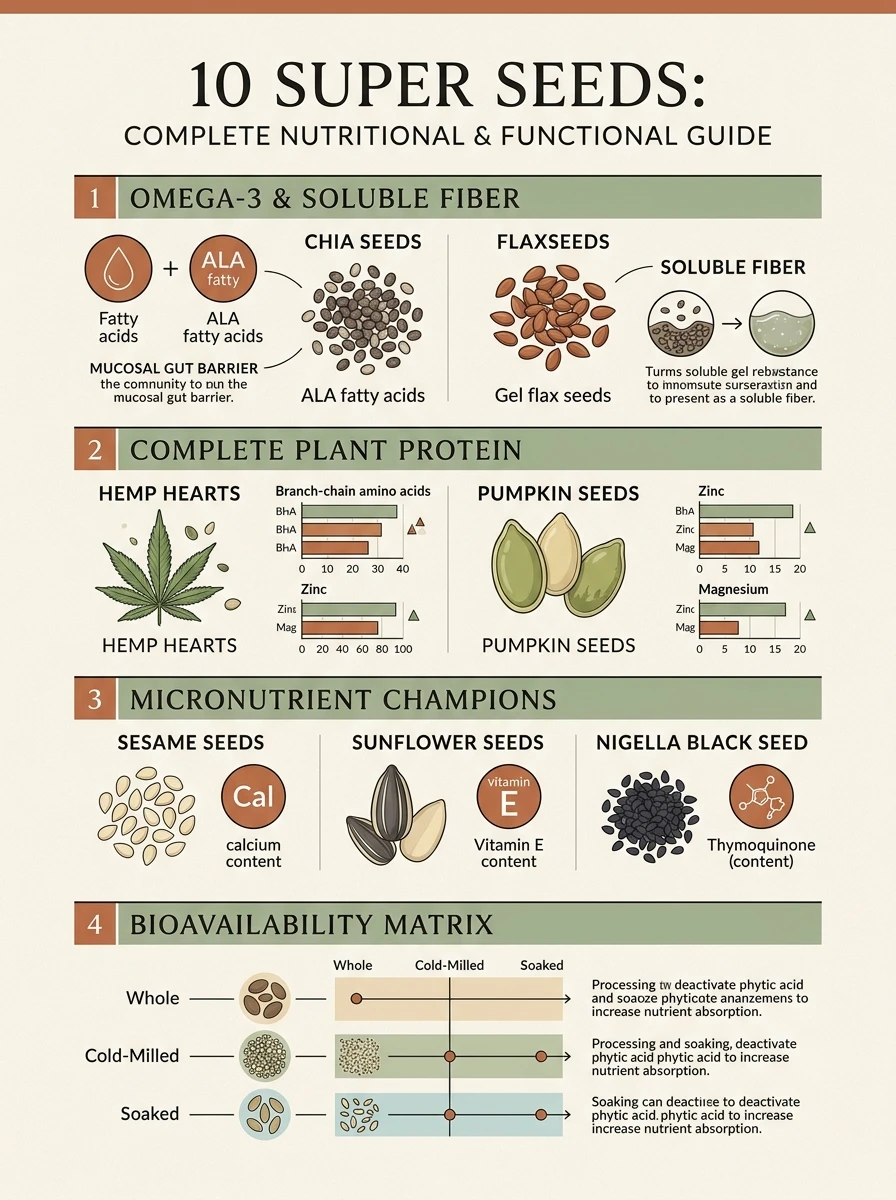
Hemp seeds contain two unique globular storage proteins: edestin (65%) and albumin (35%), both of which are exceptionally easy for the human gastrointestinal tract to break down. Just three tablespoons (30g) of raw hemp hearts deliver 10 grams of complete protein alongside a gold-standard 3:1 ratio of anti-inflammatory Omega-6 to Omega-3 essential fatty acids.
4. Lupini Beans (Lupin) — 26g Protein per Cup Cooked
Commonly enjoyed across the Mediterranean as a savory pickled snack, lupini beans boast the highest protein-to-carbohydrate ratio of any legume. With 26 grams of protein and 5 grams of prebiotic fiber per cooked cup, lupini beans promote long-lasting satiety and gut microbiome diversity without spiking postprandial blood glucose.
5. Sprouted Lentils (Red, Green, Beluga) — 18g Protein per Cup Cooked
Lentils are the quintessential plant builder. Rich in lysine, iron, and folate, a single cup of cooked lentils provides 18 grams of protein and 15 grams of soluble fiber. Sprouting lentils for 24 to 48 hours before boiling dramatically degrades lectins and increases the bioavailability of both zinc and branched-chain amino acids. Sprouted lentils also provide non-heme iron; learn how to multiply mineral absorption by pairing with vitamin C in our guide to plant-based iron and mineral-rich herbs.
6. Nutritional Yeast (“Nooch”) — 8g Protein per 2 Tablespoons
Deactivated Saccharomyces cerevisiae yeast flakes offer a rich, nutty, cheese-like umami flavor profile. Just two tablespoons provide 8 grams of complete protein alongside fortified vitamin B12, riboflavin, and beta-glucans that support immune function during strenuous training blocks. Fortified nutritional yeast provides B-complex vitamins; check our clinical symptoms checklist on which vitamins you may be missing to prevent covert deficiencies.
7. Spelt, Quinoa & Wild Rice — 7g to 11g Protein per Cup Cooked
Unlike refined white rice or industrial wheat, ancient grains like sprouted spelt and quinoa deliver substantial amino acid density. Quinoa is a botanical pseudograin containing all nine essential amino acids, while wild rice (technically an aquatic grass seed) delivers double the protein and fiber of brown rice with a distinct nutty texture.
8. Pumpkin Seeds (Pepitas) — 30g Protein per 100g
Crunchy raw pumpkin seeds are nutritional dynamos. A quarter-cup serving delivers 9 grams of protein, half of your daily magnesium requirements, and concentrated zinc—a critical catalytic mineral for testicular steroidogenesis and hormone balance.
9. Edamame (Young Soybeans) — 17g Protein per Cup
Steamed young whole soybeans in the pod make an unbeatable high-protein snack. One cup yields 17 grams of whole-food protein, 8 grams of fiber, and rich concentrations of calcium, magnesium, and vitamin K1.
10. Spirulina & Chlorella Microalgae — 60g Protein per 100g
By dry weight, blue-green spirulina algae is over 60% pure protein. While rarely consumed in large volume, adding a single tablespoon (7g) of organic spirulina powder to a morning protein smoothie provides 4 grams of protein, a dense spectrum of B vitamins, and phycocyanin—a potent cellular antioxidant that protects against exercise-induced oxidative muscle trauma. Lifters experiencing unexpected fatigue should check whether low ferritin is impairing tissue oxygenation via our guide to anemia symptoms, lab markers, and recovery.
Strategic Amino Acid Pairing: The Complementary Matrix
A pervasive nutritional myth is that every vegan meal must contain all essential amino acids simultaneously. Modern exercise science shows the liver maintains a circulating amino acid pool throughout the day. Consuming complementary proteins—pairing lysine-rich legumes with methionine-rich whole grains—across 24 hours easily ensures full protein synthesis.
However, from a macro-nutritional standpoint over the course of a day, keeping the two primary plant amino acid groups in balance guarantees optimal protein utilization:
- Legumes, Lentils & Seitan: Naturally abundant in the essential amino acid lysine, but slightly lower in sulfur-containing methionine.
- Grains, Nuts & Seeds: Rich in methionine and cysteine, but slightly lower in lysine.
By simply consuming diverse whole foods—such as having oats and hemp seeds for breakfast, a tempeh and quinoa salad for lunch, and a lentil curry with wild rice for dinner—your body effortlessly maintains an optimal amino acid balance for 24/7 muscle protein repair.
Plant-Based High-Protein Foods Comparison Table
Use this reference table to quickly compare the protein and leucine density across common plant whole foods:
| Food Source | Serving Size | Protein (g) | Estimated Leucine (g) | Dietary Fiber (g) | Best Culinary Application |
|---|---|---|---|---|---|
| Seitan (Vital Wheat Gluten) | 100g (cooked) | 25g – 30g | 1.8g – 2.1g | 1.5g | Stir-fries, fajitas, high-protein meal prep |
| Tempeh (Organic Soy) | 100g | 19g – 21g | 1.4g – 1.6g | 9.0g | Marinated skewers, grain bowls, air-fried cubes |
| Hemp Hearts | 3 Tbsp (30g) | 10g | 0.7g | 1.0g | Smoothies, oatmeal toppers, salads |
| Lentils (Cooked) | 1 Cup (198g) | 18g | 1.3g | 15.6g | Hearty soups, dal, veggie burger patties |
| Edamame (Young Soy) | 1 Cup (155g) | 17g | 1.2g | 8.0g | Post-workout snack, poke bowls, salads |
| Lupini Beans (Cooked) | 1 Cup (166g) | 26g | 1.9g | 4.6g | Pickled snacks, cold antipasto, stews |
| Nutritional Yeast | 2 Tbsp (16g) | 8g | 0.6g | 4.0g | Cheesy sauces, popcorn seasoning, roasted veggies |
| Pumpkin Seeds | ¼ Cup (32g) | 9g | 0.7g | 2.0g | Trail mix, granola, soup garnish |
| Pea Protein Isolate | 1 Scoop (30g) | 24g – 27g | 2.1g – 2.4g | 1.0g | Post-workout shakes, protein pancakes |
Sample 160g+ Daily High-Protein Vegan Meal Plan for Lifters
Here is how a 180-pound (82 kg) active athlete can effortlessly hit over 160 grams of clean plant protein throughout a typical training day:
- Breakfast (7:30 AM) — 42g Protein: 1 cup rolled oats cooked in organic soy milk, topped with 3 tbsp hemp hearts, 2 tbsp peanut butter, Ceylon cinnamon, and 1 scoop (25g) pea protein isolate.
- Mid-Morning Snack (10:30 AM) — 22g Protein: 1 cup roasted edamame or lupini beans paired with an apple and pumpkin seeds.
- Lunch (1:00 PM) — 48g Protein: Macro bowl: 1.5 cups cooked quinoa, 200g pan-seared extra firm tofu, steamed broccoli, and tahini-lemon dressing with 2 tbsp nutritional yeast.
- Pre/Post-Workout (4:30 PM & 6:30 PM) — 32g Protein: Pre-workout: banana with almond butter. Post-workout: sprouted pea/rice protein blend shake with berries and chia seeds.
- Dinner (8:00 PM) — 44g Protein: Red lentil and seitan stir-fry: 150g seasoned seitan strips sautéed with vegetables, garlic, and 1 cup cooked brown lentils over wild rice.
Curated Plant-Based Muscle Building Essentials
To simplify reaching your daily leucine and protein targets, we have curated three lab-verified, third-party tested plant supplements providing pure macronutrients without fillers.
1. Naked Pea 100% Pure Pea Protein Isolate
Made from raw yellow peas grown on environmentally sustainable North American farms. Extracted using clean mechanical water processing without synthetic chemical solvents. Packs 27 grams of pure protein and 5.7 grams of natural BCAAs per serving with zero artificial sweeteners or gums.
2. Manitoba Harvest Organic Hemp Hearts
Non-GMO Project Verified and USDA Organic certified. Delivers 10 grams of complete plant protein and 12 grams of Omegas-3 and 6 per 30g serving. Features an easy-to-digest nutty flavor that blends seamlessly into oats, shakes, and recovery bowls.
3. Anthony’s Premium Vital Wheat Gluten
Batch tested and verified quality vital wheat gluten powder for making homemade artisanal seitan. Delivers over 77% pure protein by weight. An economical, versatile staple that allows you to meal-prep hundreds of grams of high-leucine plant protein at home.
Related Clinical Nutrition & Athletic Performance Guides
- Plant-Based Iron & Minerals: 7 Blood-Building Herbs for Endurance & Energy
- Anemia Clinical Guide: Oxygen Delivery, Ferritin & Red Blood Cell Recovery
- Which Vitamins Are You Missing? Signs of Micronutrient Deficiencies & Testing
- Yoga & Natural Healing: Muscle Recovery, Mobility & Myofascial Health
- Hormonal Imbalance in Men: Nutrition, Testosterone & Endocrine Balance
Frequently Asked Questions (FAQ)
Does consuming soy products like tofu and tempeh lower male testosterone or increase estrogen?
No. Multiple clinical meta-analyses demonstrate that dietary soy isoflavones have no statistically significant impact on circulating free testosterone, total testosterone, or estradiol levels in men.
Do vegan athletes build muscle at the same rate as lifters consuming whey protein?
Yes. Controlled trials comparing pea protein against whey over 8-to-12-week resistance training protocols show identical improvements in muscle thickness and 1-rep maximum strength when total daily protein and leucine are matched.
How can I avoid digestive gas and bloating when eating more beans and lentils?
Gradually increase legume intake over 2 to 3 weeks. Soak dry beans for 12 to 24 hours, discard soaking water, and cook thoroughly with cumin or kombu seaweed to break down gas-producing oligosaccharides.
Should plant-based lifters supplement with creatine monohydrate?
Yes. Because plant-based athletes have lower baseline intramuscular creatine stores, daily supplementation with 5 grams of pure creatine monohydrate significantly increases lean power output and training capacity.
Nutrition Disclaimer: This article is intended strictly for educational, fitness, and nutritional guidance and does not replace personalized medical or sports dietetics advice. Athletes with kidney conditions, celiac disease, or metabolic disorders should consult a registered dietitian or licensed physician before drastically increasing dietary protein intake.