Quick Medical Summary: Chronic fatigue, brain fog, brittle nails, and muscle twitches are rarely random quirks of aging—they are physical markers of subclinical micronutrient deficiencies. Over 40% of adults are clinically low in Vitamin D3, while more than 50% fail to consume adequate magnesium. Modern agricultural soil depletion, chronic stress, and stomach acid-reducing medications (such as PPIs) severely hinder nutrient absorption from food. Rather than taking random multivitamins, restoring cellular vitality requires identifying physical signs, checking functional blood biomarkers (such as Ferritin, 25(OH)D, and RBC Magnesium), and pairing synergistic nutrients like Vitamin D3 with K2 and Iron with Vitamin C.
You wake up after a full night of sleep feeling unrested. By afternoon, mental fatigue sets in, an eyelid twitches intermittently, and your fingernails crack along the edges. When standard blood tests return “normal,” you are left asking: Which vitamins am I actually missing?
In modern clinical nutrition, this pervasive problem is recognized as subclinical micronutrient deficiency, or “hidden hunger.” While overt conditions like scurvy are rare today, millions live with marginal nutrient deficits where the body has just enough to prevent acute disease, but far too little to optimize cellular energy, immunity, and neurotransmitter balance.
The Top 5 Most Common Hidden Deficiencies in Modern Adults
Despite consuming ample calories, modern diets often leave cells starved of essential cofactors. Five specific nutrients represent the majority of subclinical deficits today:
1. Vitamin D3 (Cholecalciferol): The Master Secosteroid Hormone
Technically a fat-soluble hormone rather than a simple vitamin, Vitamin D regulates over 1,000 human genes. Over 40% of adults have serum 25(OH)D levels below 20 ng/mL, with 75% failing to achieve optimal functional levels (40 to 60 ng/mL). Extensive clinical reviews published in Nutrients (PubMed PMID: 31615152) confirm that circulating 25-hydroxyvitamin D directly modulates macrophage activation, suppresses pro-inflammatory cytokines, and stimulates antimicrobial cathelicidin production. Indoor lifestyles and sunscreen use have made sunlight-driven cutaneous synthesis rare, precipitating chronic musculoskeletal aches, recurrent respiratory infections, and fatigue.
2. Vitamin B12 (Cobalamin): The Nerve and Methylation Fuel
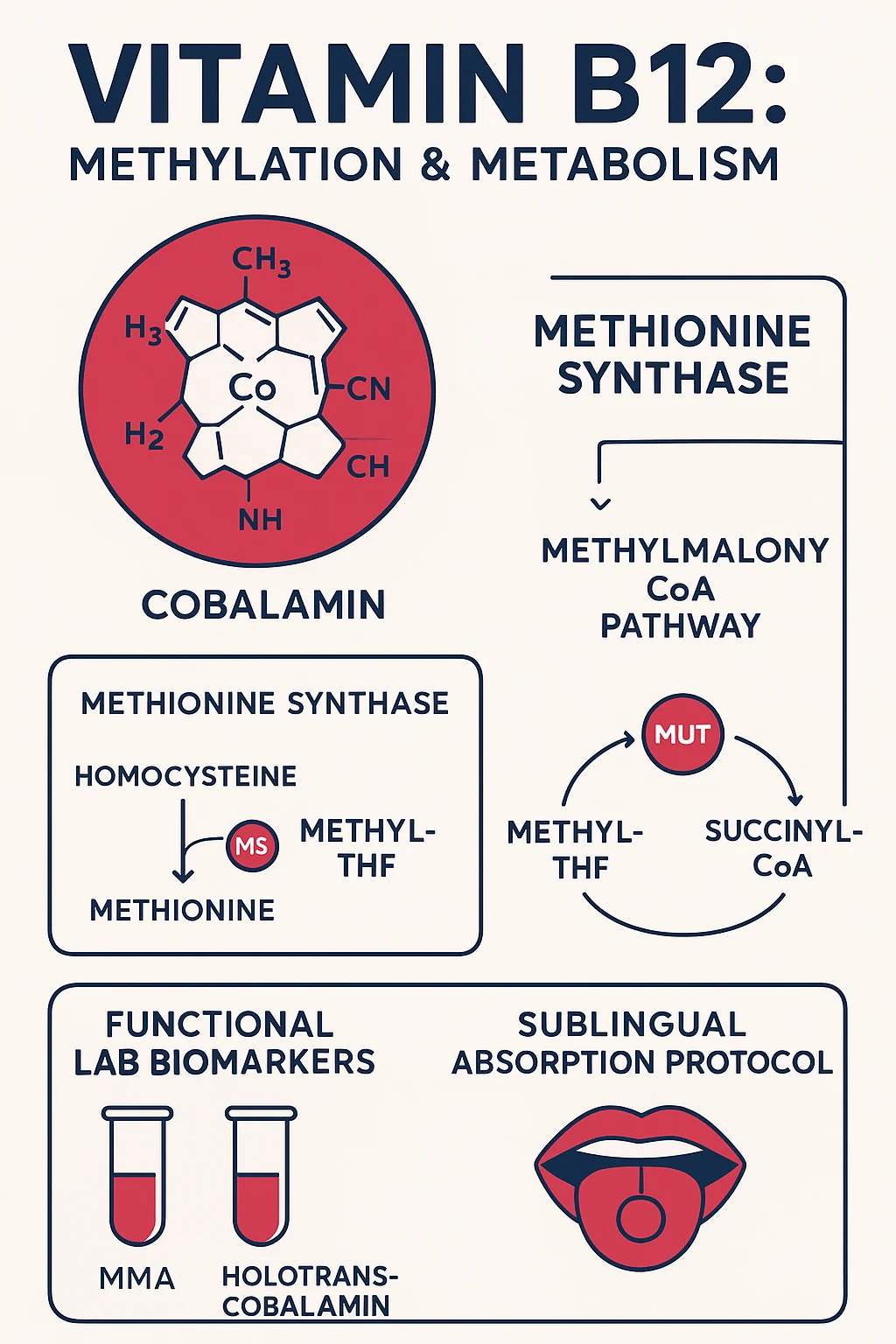
Vitamin B12 is essential for DNA synthesis, erythrocyte maturation, and myelin sheath nerve insulation. Peer-reviewed hematology trials indexed on PubMed (PubMed PMID: 29054394) demonstrate that subclinical cobalamin deficiency leads to elevated homocysteine and impaired methionine synthase activity long before overt macrocytic anemia appears on standard CBC panels. For an in-depth clinical analysis of blood cell sizing, morphology, and recovery, read our comprehensive guide to anemia types, warning symptoms, and blood regeneration. Additionally, individuals experiencing post-inflammatory demyelinating symptoms or central neuropathies should consult our clinical review on transverse myelitis, neurological health, and neuro-rehabilitation. B12 absorption requires gastric hydrochloric acid and intrinsic factor; adults on acid blockers (PPIs) frequently fail to absorb dietary forms, developing peripheral numbness, brain fog, and chronic exhaustion.
3. Magnesium: The 300-Enzyme Spark Plug
Magnesium is required for more than 300 enzymatic processes, including cellular ATP production and muscle relaxation. Industrial agriculture has depleted soil magnesium by up to 30%, while chronic stress increases urinary magnesium excretion. Deficiency triggers persistent eyelid twitches, calf cramps, headaches, and sleep disturbances.
4. Iron and Ferritin: Cellular Oxygen Delivery
Iron deficiency is the world’s most widespread nutritional shortage, especially affecting menstruating women and endurance athletes. Many suffer from non-anemic iron deficiency, where serum ferritin (stored iron) drops below 30 ng/mL despite normal hemoglobin, causing severe exhaustion, cold hands, and hair thinning. For gentle, bioavailable botanical remedies that avoid gastrointestinal constipation, explore our guide on plant-based iron and mineral-rich herbs.
5. Zinc: The Immune and Barrier Guardian
Zinc is vital for T-cell immunity, wound healing, and gut barrier strength. Diets heavy in unsoaked grains contain phytates that bind zinc and block intestinal uptake. Signs include slow wound healing, altered taste or smell, frequent colds, and white spots on fingernails. Because zinc is a critical rate-limiting trace mineral for testosterone synthesis and aromatase regulation, deficiencies severely undermine endocrine health; read our guide to hormonal imbalance in men and testosterone recovery.
Clinical-Grade Bioavailability
Sports Research Vitamin D3 (5000 IU) with Vitamin K2 (MK-7 100mcg)
Synergistic Bone & Cardiovascular Complex in Organic Virgin Coconut Oil
Engineered with bio-identical cholecalciferol and MenaQ7 Vitamin K2, this formula ensures calcium is directed into bones and teeth rather than arterial walls. Delivered in organic coconut oil for optimal fat-soluble absorption without synthetic binders.
Physical Signs Checklist: What Your Body Clues Are Telling You
Your body displays visible signs of nutritional shortages long before standard blood tests show abnormalities. Check for these common physical markers:
| Physical Sign | Likely Missing Nutrient | Biological Mechanism | Whole Food Source |
|---|---|---|---|
| Cracks at Mouth Corners (Angular Cheilitis) | Vitamin B2, B6, Iron | Impaired cellular turnover at mucosal tissue borders | Pastured eggs, nutritional yeast, spinach |
| Swollen, Smooth Red Tongue (Glossitis) | Vitamin B12, Folate, Iron | Loss of lingual papillae from impaired DNA replication | Wild salmon, sardines, dark leafy greens |
| “Chicken Skin” Bumps on Arms (Keratosis Pilaris) | Vitamin A, Vitamin D, Omega-3s | Excessive follicular keratinization from fat-soluble deficiency | Carrots, cod liver oil, wild mackerel |
| Brittle, Ridged, or Spoon Nails | Iron (Koilonychia), Zinc, Biotin | Impaired nail matrix protein synthesis | Pumpkin seeds, lentils, pasture-raised poultry |
| Eyelid Twitches & Calf Cramps | Magnesium, Potassium | Neuromuscular hyperexcitability and impaired muscle relaxation | Dark chocolate (85%+), avocados, pumpkin seeds |
| Easy Bruising & Bleeding Gums | Vitamin C, Vitamin K | Capillary wall fragility and impaired clotting cascade | Bell peppers, kiwi, broccoli, sauerkraut |
Critical Nutrient Synergies: Why Taking Vitamins in Isolation Fails
Nutrients work in interdependent biological networks. Taking single vitamins in high doses can deplete complementary cofactors or create unintended health risks:
1. The Vitamin D3 and Vitamin K2 Synergy
Vitamin D3 dramatically increases intestinal calcium absorption. However, Vitamin D does not direct where calcium deposits. For that, you need Vitamin K2 (MK-7), which activates osteocalcin to integrate calcium into bones and teeth, and Matrix Gla Protein (MGP) to keep calcium out of arterial walls. Taking high-dose D3 without K2 risks arterial calcification instead of bone strength.
2. Iron and Vitamin C: Reducing Fe3+ to Fe2+
Plant-based non-heme iron exists in the oxidized ferric state (Fe3+), which is poorly absorbed. Consuming iron alongside ascorbic acid (Vitamin C) reduces it to soluble ferrous iron (Fe2+), boosting intestinal absorption by up to 300% while minimizing digestive discomfort.
3. The Zinc and Copper Balance
Zinc and copper compete for the same intestinal absorption pathways. Daily zinc supplementation above 30 mg stimulates metallothionein, a protein that traps copper and prevents its absorption. Over time, high zinc causes copper deficiency, leading to anemia and nerve issues. Always maintain balanced ratios.
Clinical-Grade Bioavailability
Jarrow Formulas Methyl B-12 1000 mcg Sublingual Lozenges
Active Coenzyme Vitamin B12 for Neurological Protection & Cellular Energy
Unlike synthetic cyanocobalamin, this active methylcobalamin lozenge dissolves sublingually, bypassing gastrointestinal absorption hurdles. It quickly replenishes cellular B12 stores, supports nerve myelin sheaths, and aids healthy homocysteine metabolism.
The Strategic Diagnostic Lab Panel: What to Ask Your Doctor to Test
Standard basic blood panels check for acute disease rather than optimal cellular nutrition. If you suspect deficiencies, request these five specific functional blood tests:
- Serum 25-Hydroxyvitamin D [25(OH)D]: The gold standard for Vitamin D. Aim for a functional range of 40 to 60 ng/mL rather than settling for the 20 ng/mL conventional minimum.
- Serum Ferritin: Measures stored iron reserves. While 15 ng/mL is technically considered normal, optimal cellular energy and thyroid health require ferritin between 50 and 90 ng/mL.
- Methylmalonic Acid (MMA): Serum B12 tests count both active and inactive analogues. Elevated MMA confirms cellular B12 starvation even if total blood B12 appears normal.
- RBC Magnesium: Only 1% of body magnesium is in blood serum, making standard serum tests misleading. RBC magnesium measures mineral levels inside red blood cells; target 6.0 to 6.5 mg/dL.
- High-Sensitivity C-Reactive Protein (hs-CRP): Measures systemic inflammation, ensuring ferritin or Vitamin D readings are not falsely skewed by acute immune activation.
Clinical-Grade Bioavailability
Doctor’s Best High Absorption Magnesium Glycinate (100% Chelated, TRAACS)
Gentle Non-Buffered Magnesium Chelate for Muscle Recovery, Nerves & Sleep
Chelated with glycine and lysine, this patented TRAACS formulation provides maximum cellular bioavailability without causing the digestive distress of cheap magnesium oxide. It relaxes tight muscles, calms nighttime cramps, and supports restorative sleep.
The Food-First Restoration Hierarchy: Replenishing Your Reserves
While targeted supplements correct established deficits quickly, whole foods provide natural cofactors and phytonutrients that maintain balanced reserves:
1. Shellfish and Organ Meats
Oysters, mussels, and clams are nature’s densest sources of bioavailable zinc, B12, and selenium. Just 3 ounces of oysters supplies over 300% of your daily zinc needs. For omnivores, pastured beef liver provides bioavailable heme iron, preformed Vitamin A, and B-complex vitamins.
2. Dark Leafy Greens and Mineral-Dense Seeds
Pumpkin seeds are rich in magnesium, zinc, and plant iron, providing nearly half of daily magnesium requirements in a quarter cup. Pair them with steamed dark leafy greens (kale, spinach, Swiss chard) for natural folates. Plant-based eaters should also review our blueprint on high-protein vegan foods and complete amino acid profiles.
3. Small Wild Oily Fish (SMASH)
Wild sardines, mackerel, anchovies, wild salmon, and herring supply preformed Vitamin D3, marine Omega-3 fatty acids (EPA/DHA), and B12 with minimal heavy metal contamination compared to apex predatory fish.
Clinical Reference: Comparing Key Micronutrients & Supplement Forms
The biochemical form on a supplement label determines whether your body can absorb it effectively:
| Micronutrient | Subclinical Signs | Target Lab Level | Best Form | Form to Avoid |
|---|---|---|---|---|
| Vitamin D3 | Fatigue, bone aches, frequent colds | 40 to 60 ng/mL | Cholecalciferol (D3) + K2 (MK-7) in oil | Ergocalciferol (D2) (inferior bioavailability) |
| Vitamin B12 | Brain fog, neuropathy, tongue soreness | >500 pg/mL (normal MMA) | Methylcobalamin sublingual | Cyanocobalamin (slower hepatic activation) |
| Magnesium | Eyelid twitches, leg cramps, insomnia | 6.0 to 6.5 mg/dL (RBC) | Magnesium Glycinate or Malate | Magnesium Oxide (4% absorption; laxative effect) |
| Iron | Exhaustion, brittle nails, cold extremities | 50 to 90 ng/mL (Ferritin) | Iron Bisglycinate + Vitamin C | Ferrous Sulfate (causes constipation and nausea) |
| Zinc | White nail spots, delayed healing, dull taste | 90 to 120 mcg/dL | Zinc Picolinate or Bisglycinate | Zinc Oxide or Sulfate (causes stomach upset) |
Agricultural chemical residues can impair gut micronutrient uptake; learn about pesticide exposure risks in our report on glyphosate contamination in everyday foods. Ensuring complete micronutrient coverage extends to family pets as well; discover our canine nutrition guide to 31 healthiest vet-approved foods for dogs.
Related Clinical Nutrition & Micronutrient Guides
- Neurological Recovery & Myelin Health: Spinal Demyelination & Rehabilitation
- Anemia Clinical Guide: Types, Lab Signs, Ferritin & Cellular Blood Recovery
- Plant-Based Iron & Minerals: 7 Blood-Building Botanicals & Absorption Science
- High-Protein Vegan Foods: Complete Muscle & Micronutrient Guide
- Hormonal Imbalance in Men: Zinc, Testosterone & Endocrine Balance
Frequently Asked Questions (FAQ)
Can a daily multivitamin fix all my vitamin deficiencies?
Generally no. Most commercial multivitamins use inexpensive, poorly absorbed nutrient forms (such as magnesium oxide or ferrous sulfate) in doses too low to correct established clinical deficits. Additionally, minerals in a single pill (like calcium and iron) compete for absorption channels. Targeted supplementation based on confirmed blood testing is far more effective.
How long does it take to recover from a vitamin deficiency?
The recovery timeline depends on the specific nutrient and depletion level. Water-soluble vitamins like B12 often improve energy within 7 to 14 days of therapeutic sublingual dosing. Magnesium calms muscle twitches within 3 to 5 days. Conversely, replenishing depleted iron stores (ferritin) or building Vitamin D reserves requires 8 to 12 weeks of consistent supplementation before lab numbers normalize.
Can you overdose on vitamins?
Yes, particularly with fat-soluble vitamins (A, D, E, K) and minerals like iron. Because fat-soluble vitamins accumulate in body fat and the liver rather than being flushed in urine, high doses can lead to toxicity. Excess Vitamin A causes liver stress; excess Vitamin D without K2 can lead to hypercalcemia; excess iron promotes oxidative tissue damage. Always test baseline levels before high-dose supplementation.
Why can blood tests show normal B12 when symptoms persist?
Standard serum B12 tests measure both active cobalamin and inactive analogues. If your cellular methylation pathways are impaired, tissues can be deficient despite a “normal” total serum reading. Testing Methylmalonic Acid (MMA) confirms whether cells are functionally receiving enough B12.
Do acid reflux medications cause vitamin deficiencies?
Yes. Proton pump inhibitors (PPIs) and antacids reduce gastric acid. Stomach hydrochloric acid is required to liberate B12 from protein and ionize minerals like magnesium, iron, and zinc for absorption. Long-term PPI use is a well-documented cause of magnesium depletion and B12 deficiency.