Quick Medical Summary: Long dismissed as an invasive lawn weed, dandelion (Taraxacum officinale) is one of the most therapeutically versatile botanical medicines in pharmacognosy. Modern pharmacology reveals a profound biochemical divergence between its parts: dandelion root is rich in prebiotic inulin and bitter taraxacin compounds that stimulate bile synthesis (choleretic) and protect hepatocytes against oxidative damage, while dandelion leaf acts as a potent, potassium-sparing natural diuretic that relieves fluid retention without depleting electrolytes. Clinical studies demonstrate that dandelion’s polyphenols (including chlorogenic acid and luteolin) support Phase II liver detoxification, nurture beneficial gut bifidobacteria, and help regulate postprandial blood sugar.
Every spring, suburban homeowners spend millions of dollars spraying chemical herbicides across their lawns to eradicate bright yellow dandelion blossoms. Yet across centuries of traditional European, Native American, and Traditional Chinese Medicine (where it is known as Pu Gong Ying), herbalists have revered this resilient plant as an invaluable hepatic, digestive, and renal restorative. Rather than an unwelcome nuisance, the humble dandelion is a nutritional and pharmacological powerhouse hidden in plain sight.
In modern integrative medicine, dandelion (Taraxacum officinale) is gaining renewed clinical attention. From supporting non-alcoholic fatty liver metabolism and enhancing bile clearance to supplying prebiotic fructans that feed the microbiome, contemporary laboratory and human trials confirm what traditional healers observed for generations. Understanding how to harness the distinct biochemical profiles of dandelion roots, leaves, and blossoms allows you to use this botanical safely and effectively.
The Root vs. Leaf Divide: Two Distinct Medicines in One Plant
One of the most frequent mistakes made with dandelion is treating the entire plant as a uniform remedy. In pharmacognosy, the root and the leaf possess starkly different phytochemical profiles, exerting entirely distinct physiological actions in the human body:
1. Dandelion Root: The Hepatic & Prebiotic Engine
The thick taproot of Taraxacum officinale acts as the plant’s nutrient storehouse. When harvested in autumn, up to 40% of the root’s dry weight consists of inulin, a complex, non-digestible fructooligosaccharide that functions as a high-potency prebiotic. The root also concentrates bitter sesquiterpene lactones (including taraxacin and taraxacerin), triterpenes (taraxasterol), and phenolic acids. These bitter compounds stimulate gustatory receptors on the tongue, triggering a vagal nerve reflex that amplifies gastric acid, pancreatic enzymes, and hepatic bile secretion.
2. Dandelion Leaf: The Potassium-Sparing Natural Diuretic
Dandelion leaves, historically dubbed pissenlit in French folk medicine, are potent natural diuretics. In a human clinical trial published in the Journal of Alternative and Complementary Medicine, ingestion of dandelion leaf extract produced significant increases in urinary frequency and excretion volume within five hours of administration.
Crucially, unlike pharmaceutical loop diuretics (such as furosemide) which leach vital potassium from the renal tubules, dandelion leaf is naturally rich in potassium (up to 4.5% dry weight). In a pilot human clinical trial on the diuretic effect of Taraxacum officinale folium (PMID: 19678785), researchers recorded a significant increase in urinary frequency and volume within five hours of intake without disturbing systemic electrolyte equilibrium.
Traditional Medicinals Organic Roasted Dandelion Root Tea
USDA Certified Organic Herbal Tea for Liver Support & Healthy Digestion
Crafted with sustainably wild-collected, pharmacopoeial-grade dandelion roots, this rich herbal tea is gently roasted to caramelize natural inulin and unlock bitter taraxacin compounds. It stimulates healthy bile flow, eases post-meal sluggishness, and provides an earthy, robust coffee alternative with zero caffeine.
Hepatoprotection & Bile Kinetics: How Dandelion Shields the Liver
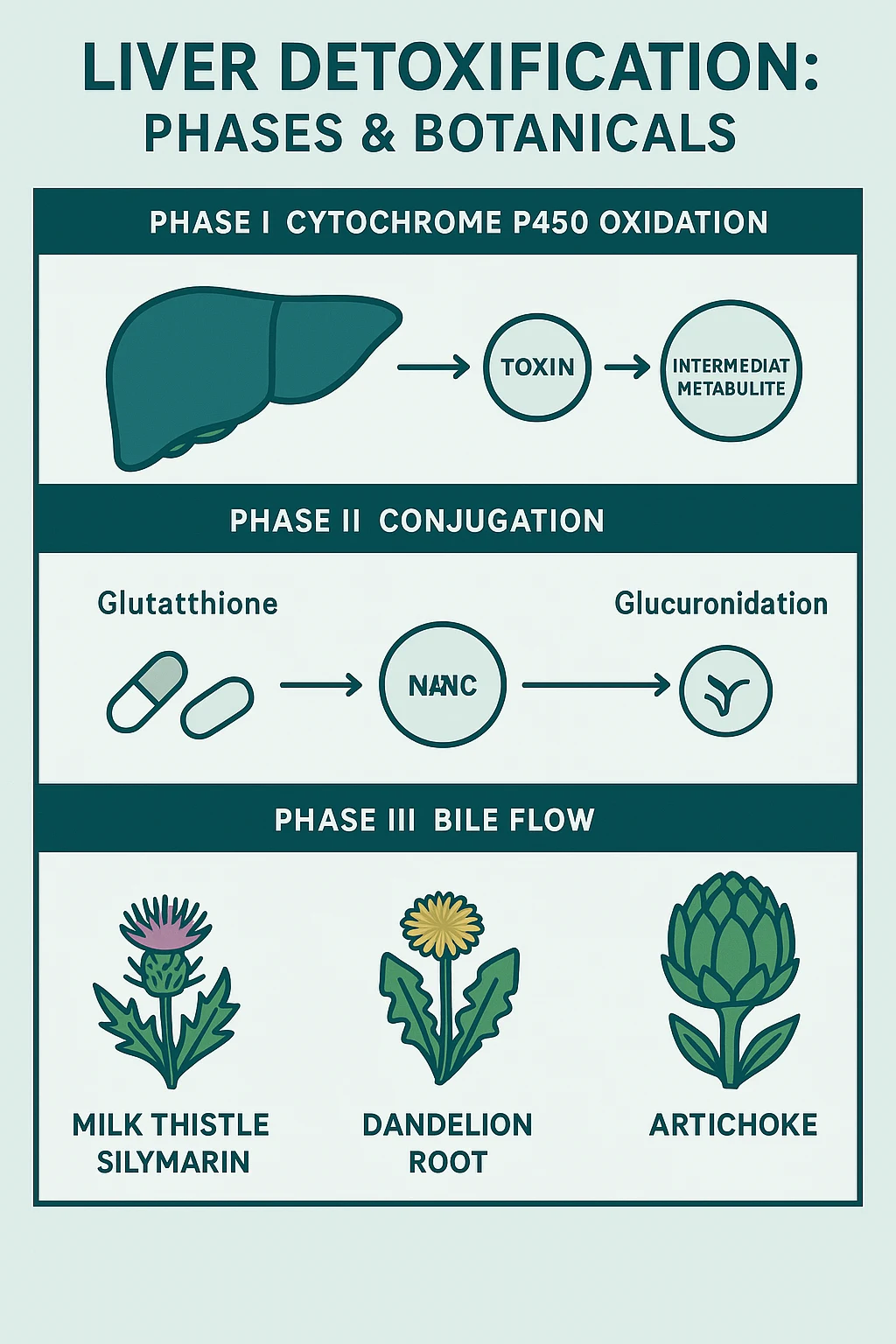
The liver is the primary metabolic engine of the human body, filtering environmental toxins, metabolizing hormones, and processing dietary lipids. Dandelion root supports hepatic function through two distinct mechanisms: choleretic action and hepatoprotective antioxidant defense.
Stimulating Choleretic & Cholagogue Activity
In pharmacological terms, dandelion root is both a choleretic (stimulating hepatocytes to synthesize fresh bile) and a cholagogue (prompting gallbladder contraction to flush stored bile into the duodenum). As documented in an authoritative review on Taraxacum officinale phytochemistry and pharmacology (PMID: 16950583), sesquiterpene lactones (taraxacin, taraxacerin) stimulate vagal reflexes that accelerate bile turnover. This enhanced bile flow is vital for escorting neutralized toxins into the intestinal tract, operating synergistically with the mechanisms detailed in our guide to liver health and cellular detoxification.
Halting Lipid Peroxidation in Fatty Liver (NAFLD)
Research published in Food and Chemical Toxicology revealed that dandelion root extract significantly reduces hepatic lipid accumulation and suppresses malondialdehyde (a primary marker of oxidative stress and lipid peroxidation) in experimental models of non-alcoholic fatty liver disease (NAFLD). Dandelion’s concentrated flavonoids—specifically luteolin and chlorogenic acid—scavenge reactive oxygen species and upregulate endogenous hepatic antioxidant enzymes, including superoxide dismutase (SOD) and glutathione peroxidase (GPx).
Nature’s Way Dandelion Root 525mg Capsules (Non-GMO Project Verified)
Concentrated Whole Taraxacum Officinale Root for Daily Liver & Gallbladder Health
Delivering 525 mg of pure, non-GMO dandelion root per vegetarian capsule, this convenient daily supplement supplies natural sesquiterpene lactones, phenolic acids, and prebiotic inulin. Ideal for supporting hepatic lipid metabolism, cellular detoxification, and digestive enzyme production without brewing tea.
Gut Microbiome & Metabolic Balance: The Power of Dandelion Inulin
Beyond liver support, dandelion root plays an invaluable role in gastrointestinal health and glycemic regulation, supporting mucosal defenses explored in our guide to microbiome and gut mucosal barrier repair. The human digestive tract lacks the enzymes required to break down inulin’s beta-(2-1)-fructosyl-fructose bonds, allowing it to transit the stomach and small intestine completely intact.
Upon reaching the colon, inulin acts as a premium food source for beneficial commensal bacteria, particularly Bifidobacterium and Lactobacillus species. As these probiotic microbes ferment inulin, they produce abundant Short-Chain Fatty Acids (SCFAs), notably butyrate, propionate, and acetate. Butyrate serves as the primary energy source for colonocytes, fortifying intestinal tight junctions, dampening systemic gut permeability (“leaky gut”), and suppressing chronic low-grade inflammation, while supporting natural colonic motility addressed in our guide on natural remedies for constipation.
Furthermore, clinical investigations indicate that dandelion polysaccharides and chicoric acid exert mild alpha-glucosidase inhibitory activity. By slowing the enzymatic breakdown of complex carbohydrates in the brush border of the small intestine, dandelion helps smooth postprandial glucose spikes and enhances insulin sensitivity.
Preparation Protocols: How to Brew Dandelion Root vs. Leaves Correctly
To extract therapeutic concentrations of dandelion’s bioactive compounds, you must match your preparation method to the plant part you are using. A common mistake is brewing tough, fibrous roots like delicate tea leaves:
1. The Root Decoction Protocol (Simmer, Do Not Just Steep)
Dandelion roots are dense and woody; simply pouring hot water over them fails to extract the deep inulin fibers and bitter lactones. Use a decoction:
- Place 1 to 2 tablespoons of dried raw or roasted dandelion root into a small stainless-steel saucepan with 2 cups (500 ml) of filtered water.
- Bring to a boil, then immediately reduce heat to low, cover with a tight-fitting lid, and allow to gently simmer for 15 to 20 minutes.
- Remove from heat, strain through a fine mesh strainer, and drink warm. For liver and digestive support, sip 1 cup 20 minutes before meals.
2. The Leaf Infusion Protocol (Gentle Steeping)
Dandelion leaves contain volatile flavonoids and minerals that are damaged by prolonged boiling. Use an infusion: Place 1 to 2 teaspoons of dried dandelion leaves (or a small handful of fresh, washed leaves) into a mug, pour 8 ounces of boiling water over them, cover to trap volatile oils, and steep for 8 to 10 minutes before straining.
3. Roasted Dandelion Root: The Ultimate Coffee Substitute
When dandelion root is slow-roasted, the natural sugars and inulin caramelize into a deep, dark brown brew that remarkably mimics the flavor, bitterness, and body of French roast coffee. Unlike coffee, roasted dandelion root contains zero caffeine, zero harsh acids that aggravate acid reflux, and actively supports the liver while providing gut prebiotics, serving as an ideal non-acidic counterpart to fermented tonics like apple cider vinegar and home-brewed probiotic lemonade.
Dandy Blend Instant Herbal Beverage with Dandelion & Chicory
Rich, Caffeine-Free Prebiotic Coffee Alternative Delivering Pure Botanical Bitters
A beloved functional beverage crafted from roasted water extracts of dandelion root, chicory root, barley, and rye. It dissolves instantly in hot or cold water, delivering a rich, full-bodied espresso-like flavor packed with gut-nourishing prebiotic inulin and zero acidity, bitterness, or jittery caffeine crashes.
Safety, Contraindications & Potential Drug Interactions
Dandelion has a broad safety profile and is classified as Generally Recognized as Safe (GRAS) by the FDA. However, its potent pharmacological actions require caution in specific clinical scenarios:
- Active Gallstones or Biliary Obstruction: Because dandelion root stimulates gallbladder contraction (cholagogue action), individuals with known gallstones, bile duct obstruction, or acute cholecystitis should avoid concentrated dandelion root preparations, as vigorous gallbladder contraction could provoke biliary colic.
- Asteraceae / Ragweed Allergy: Dandelion belongs to the Asteraceae (daisy) plant family. Individuals with known contact dermatitis or severe allergies to ragweed, chrysanthemums, or marigolds may experience allergic reactions to dandelion pollen or extracts.
- Diuretic & Lithium Medications: Because dandelion leaves increase urinary output, combining them with pharmaceutical diuretics (like hydrochlorothiazide) can lead to dehydration. Furthermore, diuretics can alter renal lithium clearance, potentially raising serum lithium to toxic levels.
- Quinolone Antibiotics (e.g., Ciprofloxacin): Dandelion may bind certain quinolone antibiotics in the digestive tract, reducing their clinical absorption. Separate dandelion ingestion from antibiotic doses by at least 2 to 3 hours.
Botanical Reference: Comparing Dandelion Plant Parts & Clinical Applications
Use this pharmacognosy summary to match the right dandelion preparation to your personal wellness goals:
| Plant Part | Primary Bioactive Compounds | Key Physiological Target | Clinical Effect | Recommended Preparation |
|---|---|---|---|---|
| Roasted Root | Prebiotic inulin, caramelized polysaccharides | Liver metabolism, gastrointestinal microbiome | Stimulates bile flow, feeds bifidobacteria, mimics coffee flavor | 15-minute decoction or instant herbal beverage |
| Raw Root | Taraxacin, sesquiterpene lactones, taraxasterol | Gallbladder, pancreas, hepatic enzymes | Potent digestive bitter; increases stomach acid and bile synthesis | Alcoholic tincture (1:5) or raw root tea |
| Green Leaves | Potassium (4.5%), lutein, chicoric acid | Kidneys, urinary tract, lymphatic system | Potassium-sparing diuresis; reduces water retention and bloating | 8-minute steeped hot infusion or fresh raw in salads |
| Yellow Flowers | Polyphenols, lutein, beta-carotene | Systemic cellular antioxidant defense | Neutralizes free radicals; soothes skin inflammation | Infused topical oils, salves, or floral tea |
Related Clinical & Digestive Guides
- Hepatic Detoxification: Liver Health Essentials: Phase I & II Detox Science, Silymarin & Protocols
- Microbiome Barrier Defense: The Complexity of the Gut: Microbiome, Mucosal Immunity & Digestion
- Bowel Regularity & Inulin: Natural Remedies for Constipation: 7 Clinically Proven Ways to Restore Regularity
- Fermentation Science & Flora: How to Make Probiotic Lemonade: Wild Fermentation Science & Gut Flora
- Digestive Acidity & Enzymes: Apple Cider Vinegar: 7 Science-Backed Uses for Health & Digestion
Frequently Asked Questions (FAQ)
Can I harvest dandelions from my own lawn for tea?
You can, provided your lawn has been strictly free from chemical pesticides, synthetic fertilizers, weedkillers, and pet waste for several years. Never harvest dandelions growing along roadsides or industrial areas, as dandelions are bioaccumulators that pull heavy metals like lead and cadmium out of contaminated soil. When in doubt, purchase certified organic, pharmacopoeial-grade dandelion roots.
Does dandelion root tea really taste like coffee?
When properly roasted, dandelion root develops rich, dark, roasty flavor notes with pleasant earthy bitterness that closely resembles dark roast coffee or chicory. While it lacks caffeine, many people find that the natural digestive stimulation and bitter compounds provide a gentle, natural morning lift without acidity or caffeine crashes.
How long does it take for dandelion leaf tea to work as a diuretic?
Human trials demonstrate that dandelion leaf extract begins increasing urinary excretion within 2 to 5 hours after consumption. Because of this diuretic effect, it is best consumed during morning or early afternoon hours rather than immediately before bed to prevent sleep disruptions.
Is dandelion safe for daily, long-term consumption?
For most healthy individuals, moderate daily consumption (1 to 2 cups of dandelion root or leaf tea) is safe and well-tolerated. However, as with all medicinal herbs, many herbalists recommend cycling dandelion—such as taking it for 4 to 6 weeks followed by a 1-week break—to evaluate baseline digestive function and prevent metabolic tolerance.
Can dandelion help with non-alcoholic fatty liver disease (NAFLD)?
Preclinical studies show that dandelion polysaccharides and luteolin protect hepatocytes by reducing liver fat accumulation, decreasing inflammatory cytokines (TNF-alpha), and boosting glutathione antioxidant enzymes. While dandelion supports liver metabolism, it should be paired with a low-glycemic Mediterranean diet, exercise, and medical supervision for managing fatty liver disease.