Few chronic health conditions are as pervasive, devastating, and profoundly misunderstood as Alcohol Use Disorder (AUD), historically known as alcoholism. For generations, society framed chronic heavy drinking as a failure of willpower or a moral shortcoming. However, modern neuroscience, endocrinology, and addiction medicine have definitively established that AUD is a complex, relapsing neurobiological disorder characterized by profound neurochemical remodeling, physical dependence, and metabolic adaptation.
Alcohol is a small, polar molecule that diffuses rapidly across every biological membrane in the human body, crossing the blood-brain barrier within minutes of ingestion. Chronic heavy exposure alters brain architecture, depletes essential intracellular micronutrients, stresses hepatic detoxification pathways, and creates physical tolerance. When someone with severe physical dependence attempts to stop abruptly without medical supervision, the sudden rebound hyperactivity can be life-threatening.
Achieving lasting sobriety and physical restoration requires an integrative, evidence-based approach: safe medical detoxification, replenishing depleted micronutrients like thiamine, supporting hepatic cellular regeneration with proven botanicals, and rebuilding the brain’s natural neurotransmitter balance. Below is an authoritative clinical guide exploring the neurobiology of alcohol dependence, vital withdrawal safety protocols, and evidence-based natural recovery strategies.
📋 Medical Summary & Clinical Detox Key Takeaways
- Neurochemical Adaptations: Chronic ethanol intake suppresses inhibitory GABA-A receptors and upregulates excitatory NMDA glutamate receptors, creating severe excitotoxicity upon abrupt cessation.
- Medical Detox Urgency: Severe acute alcohol withdrawal carries high risk of grand mal seizures and delirium tremens (DTs), necessitating medically supervised pharmacotherapy before botanical adjuncts.
- Critical Thiamine Defense: Immediate high-dose thiamine (Vitamin B1) is essential to preserve cerebral transketolase activity and prevent irreversible Wernicke-Korsakoff encephalopathy.
- Hepatoprotective Adjuncts: Standardized silymarin (milk thistle) and N-acetyl cysteine (NAC) replenish hepatocellular glutathione, stabilize cell membranes, and mitigate CYP2E1 lipid peroxidation.
The Neurobiology of Dependence: How Alcohol Rewires the Brain
To understand why an individual with severe AUD cannot simply “drink in moderation,” one must examine the profound neuroadaptations that occur within the central nervous system over months and years of chronic exposure. Alcohol exerts its primary psychoactive effects by altering the delicate equilibrium between the brain’s primary inhibitory and excitatory neurotransmitter systems:
1. The GABA-A Receptor Downregulation
Gamma-aminobutyric acid (GABA) is the brain’s chief inhibitory neurotransmitter, responsible for calming neuronal firing, slowing heart rate, and promoting sedation. Ethanol acts as a positive allosteric modulator at the GABA-A receptor, magnifying GABA’s natural calming effects. In response to continuous alcohol exposure, the brain attempts to maintain homeostasis through receptor downregulation—reducing the number and sensitivity of GABA-A receptors. Consequently, the brain loses its native capacity to calm itself without alcohol.
2. The NMDA Glutamate Receptor Upregulation
Conversely, glutamate is the brain’s primary excitatory neurotransmitter, stimulating mental alertness, memory encoding, and cognitive arousal via N-methyl-D-aspartate (NMDA) receptors. Alcohol acts as an NMDA receptor antagonist, dampening glutamate transmission (which accounts for alcohol-induced slurred speech, delayed reflexes, and memory blackouts).
To compensate for chronic chemical suppression, the brain synthesizes massive numbers of new NMDA receptors—a phenomenon known as receptor upregulation. When alcohol is abruptly removed from the bloodstream, this hyper-sensitized glutamate network fires unchecked, flooding neurons with massive calcium influx. This state of severe central nervous system hyperexcitability produces the tremors, severe anxiety, insomnia, and seizures of acute withdrawal.
3. Dopamine Hijacking in the Nucleus Accumbens
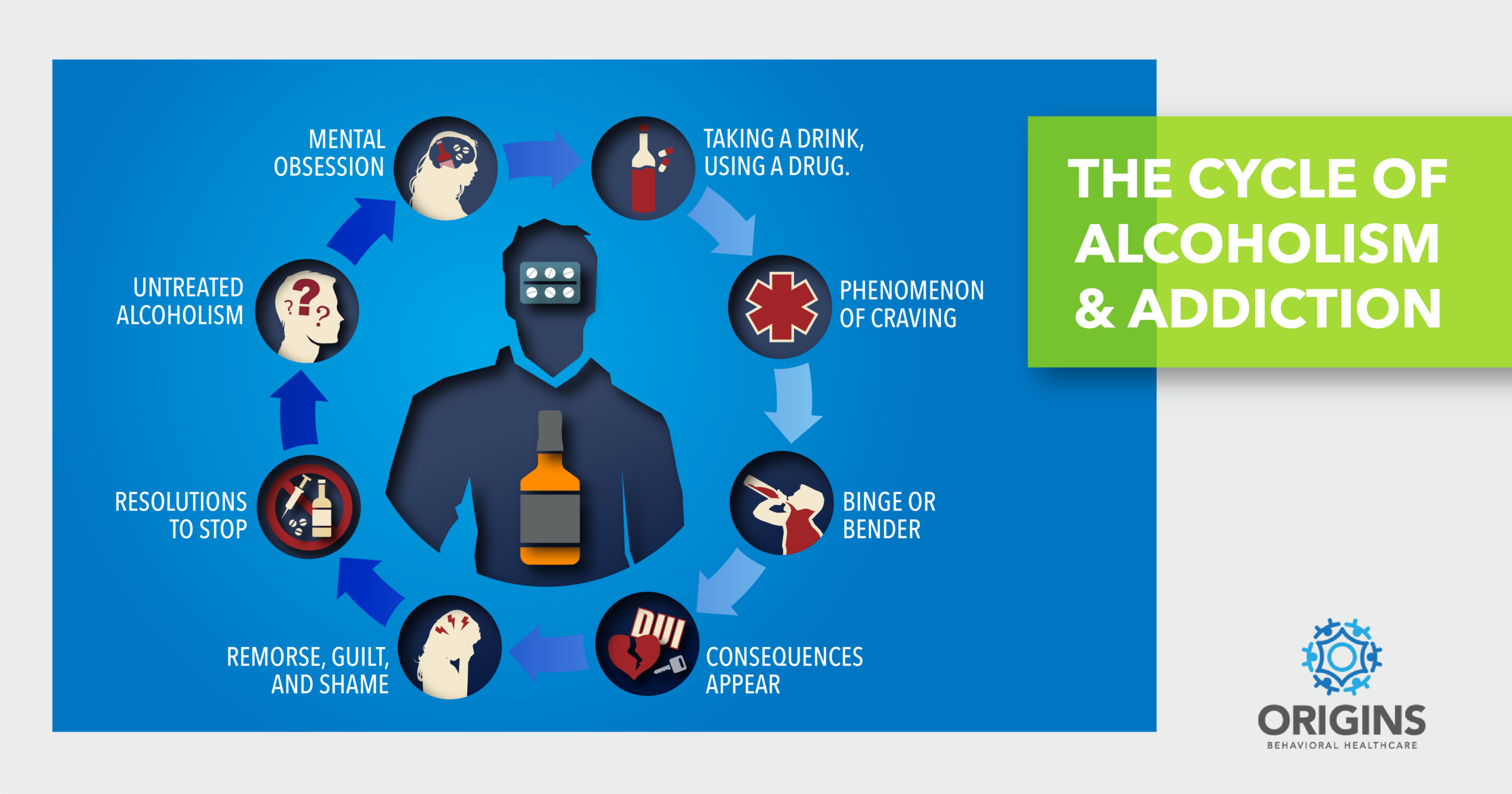
Alcohol stimulates endogenous opioid release in the ventral tegmental area (VTA), triggering supraphysiological surges of dopamine in the nucleus accumbens—the brain’s evolutionary reward hub. Over time, the brain’s reward threshold elevates, blunting pleasure from everyday natural rewards (such as food, social relationships, and exercise) while engraving deep, subconscious neurological cravings that compel compulsive drinking despite adverse consequences.
The Critical Danger of Acute Withdrawal: Why Medical Detox is Essential
One of the most dangerous myths in popular wellness culture is that someone with severe alcohol dependence should “sweat it out” or quit “cold turkey” at home with herbal teas and green juice. Unlike withdrawal from opioids or stimulants—which is agonizing but rarely fatal—unsupervised alcohol withdrawal can be lethal.
When chronic heavy drinkers abruptly cease consumption, the combination of disabled GABA inhibition and explosive NMDA glutamate excitation triggers an autonomic storm:
- Mild Withdrawal (6 to 12 Hours Post-Drink): Tremors (“the shakes”), diaphoresis (profuse sweating), tachycardia, elevated systolic blood pressure, nausea, vomiting, and profound internal panic.
- Withdrawal Seizures (12 to 48 Hours): Generalized tonic-clonic seizures resulting from cortical excitotoxicity, which can cause severe head trauma or progress into status epilepticus.
- Delirium Tremens (DTs, 48 to 96 Hours): The most severe clinical manifestation of withdrawal, occurring in 3% to 5% of dependent patients. Characterized by severe confusion, vivid visual and tactile hallucinations (formication), malignant hyperthermia, extreme autonomic instability, and cardiac collapse. Without emergency intensive care, DTs carry a mortality rate of up to 15%.
Clinical Recommendation: Anyone consuming substantial amounts of alcohol daily who experiences morning tremors, sweating, or intense cravings must undergo medically supervised detoxification. In a hospital or accredited detox facility, physicians administer short-term cross-tolerant medications (such as long-acting benzodiazepines or gabapentinoids) to stabilize GABA receptors, prevent seizures, and guarantee patient safety during the critical 3- to 7-day acute detox window.
Nutritional Depletion: The Crucial Role of Thiamine (Vitamin B1)
Chronic alcohol consumption inflicts profound damage upon nutritional physiology. Ethanol erodes the intestinal brush border, directly impairing the active transport mechanisms that absorb vital water-soluble vitamins. Furthermore, poor dietary intake and impaired hepatic storage leave individuals with severe systemic micronutrient deficits.
Preventing Wernicke-Korsakoff Syndrome
The single most catastrophic nutritional casualty of chronic alcoholism is thiamine (Vitamin B1). Thiamine pyrophosphate is an irreplaceable coenzyme for pyruvate dehydrogenase and alpha-ketoglutarate dehydrogenase—the central enzymatic engines driving mitochondrial ATP production in brain cells.
Depleted brain thiamine causes rapid neuronal necrosis, particularly in the mamillary bodies and medial thalamus. Comprehensive neurochemical research published in Neurochemistry International (PubMed PMID: 29656158) demonstrates that ethanol directly inhibits thiamine transporter 1 (THTR-1) and cerebral pyrophosphokinase, causing profound bioenergetic failure, astrocyte swelling, and irreversible excitotoxicity known as Wernicke-Korsakoff Syndrome. In addition to neurological devastation, malabsorption precipitates severe bone marrow dysfunction; explore our guide to anemia types, red blood cell macrocytosis, and recovery, along with our diagnostic checklist on which vitamins you may be missing.
The Clinical Rule: High-dose thiamine supplementation (or fat-soluble benfotiamine, which achieves significantly higher intracellular and neuronal concentrations) must be administered immediately during early detox and continued throughout the recovery journey to protect cognitive integrity.
Hepatic Protection & Natural Cellular Rejuvenation
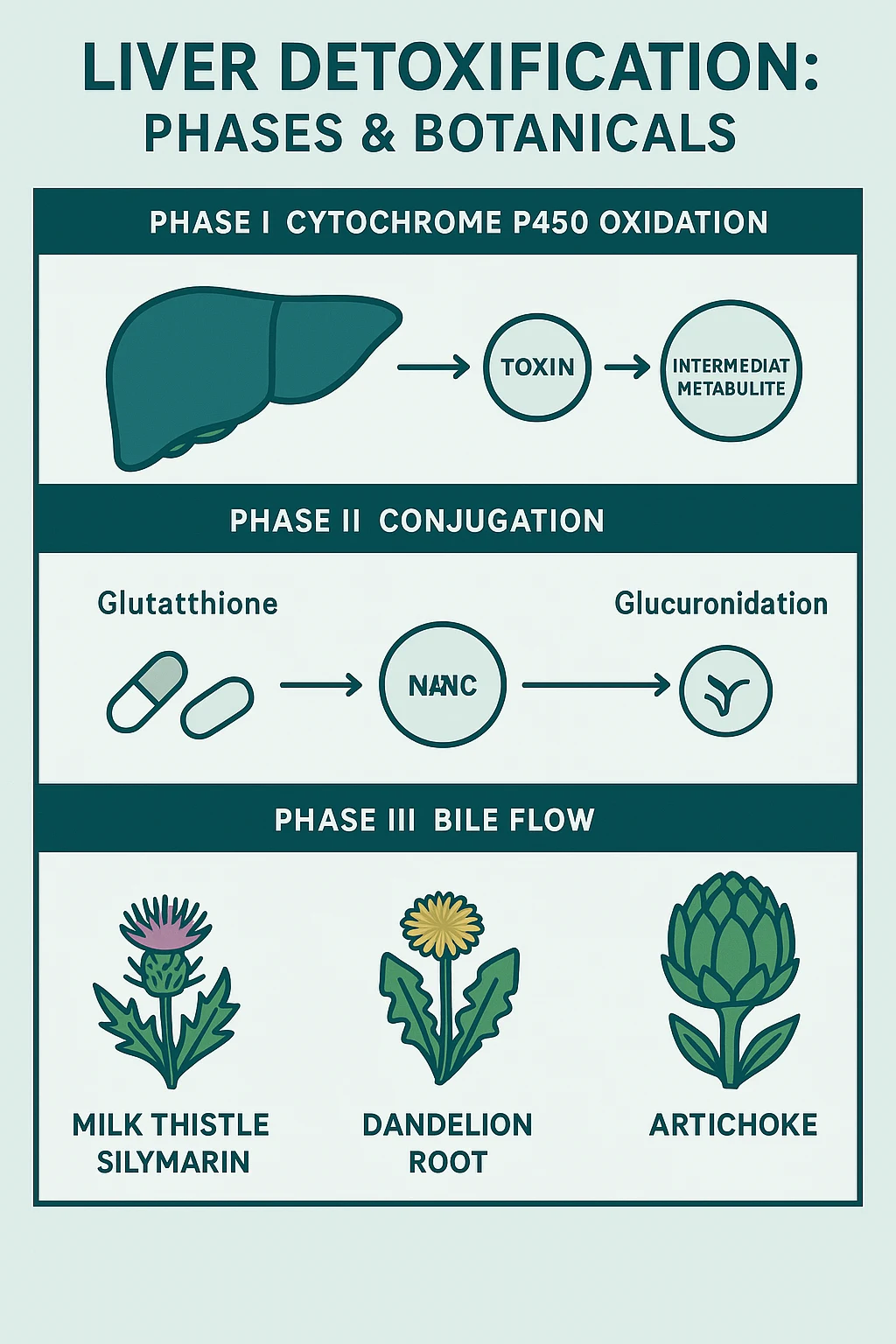
The liver processes over 90% of ingested alcohol through two sequential enzymatic reactions: alcohol dehydrogenase (ADH) converts ethanol into acetaldehyde, a highly reactive, mutagenic carcinogen that binds to cellular proteins and DNA. Next, aldehyde dehydrogenase (ALDH) oxidizes acetaldehyde into acetate. Chronic drinking overwhelms this pathway, flooding hepatocytes with acetaldehyde, depleting hepatic glutathione, and triggering steatosis (fatty liver), inflammation (alcoholic hepatitis), and fibrotic scarring (cirrhosis).
Once acute medical detox is safely completed, specific evidence-based botanicals and nutrients provide vital support for cellular regeneration:
1. Milk Thistle (Silybum marianum / Silymarin)
Milk thistle is the most thoroughly documented botanical hepatoprotectant in clinical gastroenterology. Systematic clinical trials published in Phytotherapy Research (PubMed PMID: 20564545) confirm that standardized silymarin significantly reduces serum transaminases (ALT, AST), accelerates hepatocyte ribosomal RNA regeneration, and protects hepatic microcirculation from endotoxin damage. Furthermore, compromised hepatic detoxification directly disrupts circulating steroid hormones; for detailed physiological mechanisms, consult our guide to hormonal imbalance in men and liver estrogen clearance. Pairing milk thistle with bitter herbs like dandelion root for liver detox and bile flow further enhances metabolic clearance. Its active flavonolignan complex, silymarin (specifically silybin), operates via four key therapeutic mechanisms:
- Membrane Stabilization: Alters the outer membrane structure of hepatocytes, preventing toxins from penetrating into the cell interior.
- Antioxidant & Glutathione Preservation: Neutralizes reactive oxygen species (ROS) generated by cytochrome P450 2E1 (CYP2E1) and increases intracellular hepatic glutathione levels by up to 35%.
- Stimulation of Protein Synthesis: Silybin stimulates nucleolar RNA polymerase I, accelerating ribosomal RNA synthesis and enhancing the liver’s innate capacity to regenerate damaged hepatocyte tissues.
- Antifibrotic Activity: Suppresses the transformation of hepatic stellate cells into collagen-producing myofibroblasts, slowing fibrotic progression.
2. N-Acetyl Cysteine (NAC)
N-Acetyl Cysteine is the rate-limiting direct precursor to glutathione, the body’s master intracellular antioxidant. Alcohol metabolism rapidly consumes and exhausts hepatic glutathione stores, leaving liver cells and cerebral mitochondria defenseless against acetaldehyde toxicity. Clinical research demonstrates that NAC supplementation recharges liver glutathione pools, neutralizes reactive lipid peroxides, and accelerates the safe clearance of toxic metabolic byproducts.
3. Kudzu Root (Pueraria lobata)
Kudzu root has been utilized in Traditional Chinese Medicine for centuries to curb alcohol cravings. Modern pharmacological research confirms that kudzu contains potent isoflavones, notably daidzin and daidzein. In randomized, placebo-controlled human trials conducted at Harvard-affiliated McLean Hospital, standardized kudzu extract significantly reduced alcohol consumption in heavy drinkers by modulating blood-alcohol transit times and tempering reward signaling in the central nervous system.
4. Magnesium Glycinate & Zinc
Chronic alcohol consumption forces extensive renal wasting of magnesium and zinc. Magnesium acts as nature’s physiological NMDA receptor channel blocker; without adequate intracellular magnesium, calcium flows freely into neurons, maintaining post-acute withdrawal anxiety, muscle tension, and insomnia. Zinc is an essential cofactor for alcohol dehydrogenase; restoring zinc levels directly supports baseline hepatic metabolic function and intestinal barrier integrity.
Holistic Pillars of Long-Term Sobriety & Relapse Prevention
Biological recovery is only the first pillar of lasting sobriety. The brain’s neuroplasticity requires time, structured routines, and supportive psychological environments to heal. A durable, long-term recovery framework encompasses three essential dimensions:
- Peer Support & Clinical Psychotherapy: Cognitive Behavioral Therapy (CBT), Acceptance and Commitment Therapy (ACT), and structured peer communities (such as Alcoholics Anonymous or SMART Recovery) provide accountability, rewire learned behavioral triggers, and dissolve the isolation that fuels addiction.
- Restoring Sleep Architecture: While alcohol acts as a sedative that accelerates sleep onset, it chemically fragments REM sleep and suppresses deep slow-wave restorative sleep. During early sobriety, sleep disturbances are normal. Implementing strict sleep hygiene, morning sunlight exposure, and gentle botanical support (like chamomile or L-theanine) re-establishes healthy circadian melatonin synthesis.
- Somatic Regulation & Exercise: Physical exercise elevates brain-derived neurotrophic factor (BDNF), stimulates neurogenesis in the hippocampus, and provides healthy dopaminergic reinforcement that replaces chemical cravings.
Recommended Cellular Support & Recovery Essentials
These three clinically validated, third-party tested nutritional supplements provide essential cellular support, neuroprotection, and hepatic defense during the recovery journey:
1. Jarrow Formulas Milk Thistle (Standardized Silymarin)
Highly concentrated 30:1 milk thistle extract standardized to 80% silymarin flavonoids. Provides proven antioxidant protection for liver cell membranes and supports healthy hepatic glutathione levels.
2. NOW Supplements NAC (N-Acetyl Cysteine 600 mg)
Direct precursor to intracellular glutathione enriched with selenium and molybdenum. Helps neutralize toxic metabolic intermediates, shields cellular structures, and supports respiratory and liver defense.
3. Doctor’s Best Benfotiamine 150 mg with BenfoPure
Fat-soluble form of Vitamin B1 thiamine with dramatically superior cellular bioavailability compared to standard water-soluble thiamine. Critical for supporting cerebral glucose metabolism and preventing deficiency.
Related Clinical Detox & Metabolic Guides
- Anemia Clinical Guide: Macrocytosis, Nutritional Deficits & Blood Recovery
- Hormonal Imbalance in Men: Hepatic Estrogen Clearance & Endocrine Health
- Dandelion Root Healing Science: Liver Detoxification & Digestive Support
- Which Vitamins Are You Missing? Signs of Systemic Depletion & Remedies
- Plant-Based Iron & Minerals: Bioavailable Botanicals & Cellular Absorption
Frequently Asked Questions (FAQ)
Can the liver completely heal after years of chronic heavy alcohol use?
Yes, the liver possesses remarkable regenerative capacity. Early stages like simple alcoholic steatosis (fatty liver) can reverse completely within 4 to 8 weeks of total abstinence and proper nutrition. Even mild to moderate alcoholic hepatitis can resolve. However, once advanced cirrhosis with permanent, dense fibrous scar tissue forms, the damage cannot be fully reversed, though abstinence halts further deterioration and prevents hepatic failure.
What is the difference between physical dependence and psychological addiction?
Physical dependence is a cellular neuroadaptation where the brain requires alcohol to maintain baseline physiological equilibrium (preventing tremors, tachycardia, and seizures). Psychological addiction involves compulsive cravings, emotional coping mechanisms, and behavioral preoccupation despite severe interpersonal and physical harm.
How long does Post-Acute Withdrawal Syndrome (PAWS) last?
While acute physical withdrawal subsides within 5 to 10 days, Post-Acute Withdrawal Syndrome (PAWS) can linger for 6 to 24 months. Characterized by fluctuating mood swings, sleep disturbances, cognitive fog, and sudden anxiety spikes, PAWS reflects the slow, complex process of GABA and dopamine receptor recalibration.
Are herbal remedies and supplements a substitute for professional rehab or medical detox?
No. Nutritional supplements, botanicals, and vitamins cannot manage acute withdrawal seizures, delirium tremens, or psychological addiction triggers. They are complementary adjunctive tools designed to support cellular health, replenish nutrient stores, and assist biological recovery alongside professional addiction medicine and psychological care.
Medical & Addiction Disclaimer: This article is intended strictly for educational and informational purposes and does not substitute for professional medical advice, clinical diagnosis, or specialized addiction treatment. Alcohol withdrawal can be fatal. If you or someone you know is struggling with alcohol dependence, seek immediate professional medical assistance or contact the SAMHSA National Helpline at 1-800-662-4357 for confidential, free support 24/7.