
In modern culture, yoga is frequently marketed as an athletic workout of flexibility. Yet for over five thousand years, yoga was never conceived as mere physical exercise. Rooted in Vedic and Ayurvedic traditions, yoga was revered as an indispensable somatic medicine designed to harmonize autonomic function, downregulate systemic inflammation, and awaken innate healing mechanisms.
Today, contemporary clinical neurobiology, cardiology, and immunology are catching up with what ancient rishis intuitively understood. Peer-reviewed research from Harvard Medical School, UCLA, and the National Institutes of Health (NIH) confirms that the deliberate integration of physical postures (asanas), conscious breath control (pranayama), and meditative focus alters gene expression, reduces circulating stress hormones, elevates neuroprotective neurotransmitters, and relieves chronic musculoskeletal pain.
When paired thoughtfully with natural remedies, herbal adaptogens, and anti-inflammatory nutrition, yoga becomes a formidable pillar of holistic healthcare. Below is an authoritative, evidence-based exploration of the physiological mechanisms behind yoga therapy, the five healing limbs of practice, targeted clinical applications, and the most potent botanical allies to deepen your restorative journey.

📋 Medical Summary & Clinical Key Takeaways
- Neurobiological Mechanisms: Structured yoga therapy directly activates the parasympathetic vagal network, elevating central GABAergic neurotransmitters and downregulating pro-inflammatory NF-κB expression.
- Spinal & Musculoskeletal Health: Systematic Cochrane reviews confirm that therapeutic asanas deliver clinically significant pain reduction and functional recovery for chronic mechanical lower back pain.
- Fascial & Somatic Remodeling: Yin and restorative yoga apply sustained, low-load traction to deep thoracolumbar fascia, stimulating hyaluronic acid hydration and resetting hypertonic myofascial trigger points.
- Integrative Botanical Synergy: Pairing mindful movement with adaptogens (Holy Basil / Tulsi) and chelated magnesium glycinate enhances neuro-muscular relaxation and lowers cortisol.
The Biology of Healing: How Yoga Rewires Your Physiology
What actually happens inside your bloodstream, brain, and immune cells when you step onto the mat? Rigorous biomedical investigations reveal that yoga induces profound, measurable physiological transformations:
1. Vagus Nerve Activation & Parasympathetic Reset
The human autonomic nervous system operates in two opposing modes: the sympathetic “fight-or-flight” branch and the parasympathetic “rest, digest, and heal” branch. The master conductor of the parasympathetic system is the Vagus Nerve (the tenth cranial nerve), which wanders from the brainstem down to the heart, lungs, liver, and digestive tract. Clinical neurobiological trials published in the International Journal of Yoga (PubMed PMID: 25883622) demonstrate that structured pranayama and mindful asanas stimulate vagal afferent pathways, dramatically boosting central GABAergic tone and down-regulating systemic neuroinflammation.
Modern lifestyle stressors keep the sympathetic branch locked in chronic overdrive. Slow, rhythmic yogic breathing—especially prolonged exhalations—stimulates pulmonary stretch receptors that fire directly through the vagus nerve. This raises Heart Rate Variability (HRV), lowers arterial blood pressure, slows resting heart rate, and signals your liver and gut to resume tissue regeneration and cellular repair.
2. Downregulation of NF-kB & Pro-Inflammatory Cytokines
Chronic systemic inflammation is the root driver of autoimmune disorders, cardiovascular disease, metabolic syndrome, and clinical depression. In landmark genomic studies conducted at UCLA, researchers analyzed the gene expression of individuals practicing brief daily yogic meditation. They discovered a significant downregulation of Nuclear Factor-kappa B (NF-kB), the master genetic switch that triggers inflammatory cytokine storms. Regular practitioners show substantially reduced serum levels of C-reactive protein (CRP), Interleukin-6 (IL-6), and Tumor Necrosis Factor-alpha (TNF-α).
3. Surging Brain GABA & Neuroplasticity
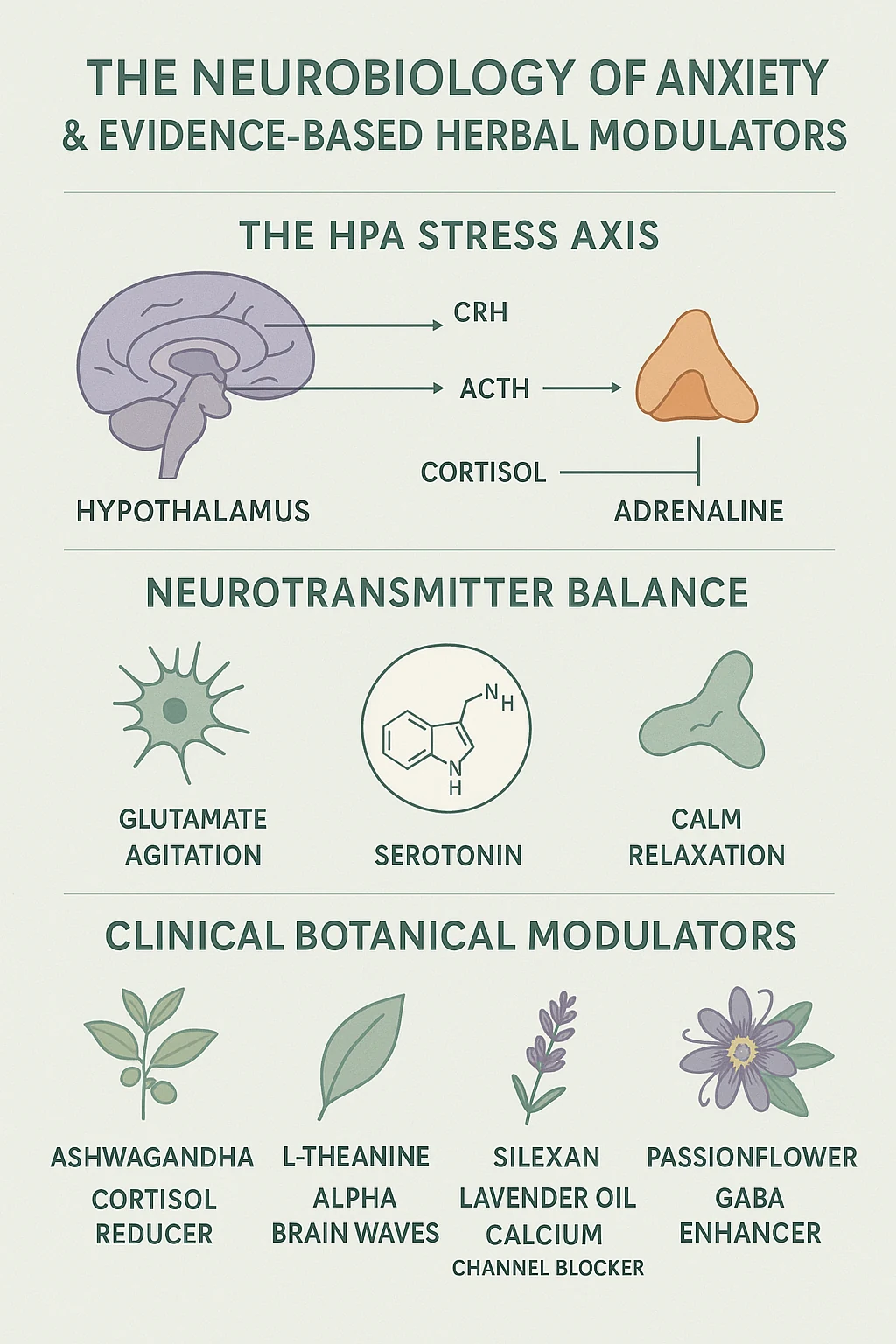
Gamma-Aminobutyric Acid (GABA) is your central nervous system’s primary inhibitory neurotransmitter—the brain’s natural calming agent that quells racing thoughts, fear signals, and muscular tension. Low GABA activity is directly correlated with anxiety disorders, chronic pain amplification, and depression.
In a groundbreaking magnetic resonance spectroscopy (MRS) study conducted at the Boston University School of Medicine, researchers scanned the brains of healthy subjects before and after 60 minutes of yoga versus an equal duration of reading or walking. The results were dramatic: the yoga group demonstrated an average 27% increase in thalamic GABA levels after just a single session, correlating directly with improved mood and anxiety relief.
4. Myofascial Hydration & Synovial Fluid Circulation
Muscles do not exist in isolation; they are enveloped in a continuous three-dimensional spiderweb of connective tissue known as fascia. Chronic sedentary desk posture and stress cause fascia to dehydrate, thicken, and develop painful cross-link adhesions that restrict blood supply. The slow, sustained compressive loading of yoga postures acts like a sponge: squeezing stale interstitial fluid out of fascial sheets and drawing fresh, nutrient-rich water and hyaluronic acid back in. Simultaneously, gentle joint rotation circulates lubricating synovial fluid, preserving cartilage and preventing degenerative arthritis.
The 5 Therapeutic Limbs of Healing Yoga
To extract the deepest medical benefits from yoga, you do not need extreme athletic contortions. Therapeutic yoga utilizes gentle, accessible branches tailored for biological restoration:
1. Therapeutic Asana (Somatic Postures)
Focuses on structural spinal decompression, gentle pelvic stabilization, and opening restricted thoracic breathing chambers. Landmark systematic reviews and meta-analyses published in the Cochrane Database of Systematic Reviews (PubMed PMID: 28088031) confirm that clinical yoga therapy yields significant, clinically meaningful improvements in pain and functional mobility for chronic nonspecific lower back pain. For a complete biomechanical protocol on spinal stabilization and red flags, consult our clinical guide to back pain relief causes and natural recovery strategies. Furthermore, practitioners bearing weight on hands during downward dog or table poses should consult our guide to wrist pain relief and carpal tunnel protection to avoid joint hyperextension.
2. Pranayama (Conscious Breathwork)
The breath is the only autonomic function under direct conscious control, providing an immediate biological “backdoor” into your nervous system:
- Nadi Shodhana (Alternate Nostril Breathing): Balances cerebral hemisphere activity, synchronizes autonomic tone, and stabilizes volatile blood pressure within 5 minutes.
- Ujjayi (Victorious Ocean Breath): Gentle friction in the glottis creates a soft whispering sound, generating mild airway back-pressure that enhances alveolar gas exchange and centers wandering mental attention.
- Bhramari (Humming Bee Breath): Humming during long exhalations creates acoustic resonance in the nasal sinuses, stimulating a 15-fold surge in localized nitric oxide production, a potent vasodilator and antiviral molecule.
3. Yin & Restorative Yoga (Fascial Remodeling)
While dynamic Vinyasa strengthens muscle fibers, Yin yoga targets deeper ligaments, joint capsules, and the thoracolumbar fascia by holding passive, gravity-assisted postures for 3 to 5 minutes with muscles completely relaxed. Holding gentle lateral stretches is especially effective for decompressing the deep flank stabilizers; explore our clinical protocol on how to unlock your QL muscles to eliminate chronic lower back tension. Restorative yoga uses supportive bolsters and blankets to eliminate physical effort entirely, dropping the brain into healing alpha and theta brainwave states.
4. Yoga Nidra (Non-Sleep Deep Rest / NSDR)
An ancient guided somatic lying-down meditation known as “yogic sleep.” Brainwave monitoring shows that 30 to 45 minutes of Yoga Nidra guides practitioners into the twilight hypnagogic state between waking and sleeping (delta waves), facilitating profound neurological dopamine replenishment, memory consolidation, and cellular detoxification equivalent to multiple hours of conventional sleep.
5. Dhyana (Mindful Interoceptive Awareness)
Cultivates interoception—the brain’s ability to accurately sense internal bodily signals (heart rate, gut sensations, muscle tension). Enhancing interoceptive accuracy shrinks the hyper-reactive amygdala while strengthening gray matter volume in the insular cortex, dampening the psychological amplification of chronic pain.
Botanical Synergy: Natural Herbal Allies for Your Practice
In traditional Ayurvedic medicine, yoga and herbal phytotherapy were never separated; they were practiced as two wings of the same bird. Pairing your movement and meditation with clinically proven botanicals dramatically amplifies healing results:
- Ashwagandha (Withania somnifera): The king of Ayurvedic adaptogens. Ashwagandha mimics GABAergic signaling in the brain and modulates the hypothalamic-pituitary-adrenal (HPA) axis. Taking ashwagandha alongside a daily yoga practice synergistically lowers elevated cortisol, protects against adrenal exhaustion, and promotes deep REM sleep.
- Holy Basil / Tulsi (Ocimum sanctum): Known as “The Incomparable One,” Tulsi is rich in eugenol and rosmarinic acid. Drinking warm Tulsi tea prior to pranayama practice clears bronchopulmonary passages, calms mental chatter, and buffers the body against environmental and oxidative stressors.
- Turmeric Curcumin (Curcuma longa): A potent natural inhibitor of the COX-2 and 5-LOX inflammatory enzymes. Regular curcumin intake enhances joint flexibility, protects cartilage from wear-and-tear, and speeds post-practice myofascial recovery without gastric ulcer risks associated with NSAIDs.
- Magnesium Glycinate: Essential for neuromuscular relaxation. Magnesium acts as a natural physiological calcium channel blocker, allowing contracted muscle fibers to release and preventing nocturnal cramping after intensive hip-opening or balancing postures.
Clinical Yoga Therapy Applications Table
Consult this reference table to match specific health challenges with proven therapeutic yoga styles, breathing techniques, and herbal remedies:
| Health Condition | Recommended Yoga Style | Target Postures / Breath | Synergistic Natural Remedy | Primary Clinical Outcome |
|---|---|---|---|---|
| Chronic Lower Back Pain | Gentle Hatha / Somatics | Cat-Cow, Child’s Pose, Reclined Pigeon | Turmeric Curcumin + Boswellia | Decompresses lumbar discs & releases tight psoas |
| High Blood Pressure / Stress | Restorative / Yin | Legs-Up-The-Wall, Nadi Shodhana (4:8 ratio) | Hibiscus Tea + Magnesium Glycinate | Stimulates vagal tone & lowers systemic vascular resistance |
| Insomnia & Sleep Disruption | Yoga Nidra (NSDR) | Savasana with bolster, 1:2 exhales | Ashwagandha KSM-66 + Chamomile | Drops brain into delta sleep & lowers evening cortisol |
| Arthritis & Joint Stiffness | Chair Yoga / Gentle Flow | Gentle spinal twists, wrist/ankle rotations | Ginger Root + Omega-3 Fatty Acids | Circulates synovial fluid & prevents fascial adhesions |
| Anxiety & Panic Tendencies | Pranayama & Grounding | Balasana, Bhramari (Bee Breath), Mountain Pose | Holy Basil (Tulsi) + L-Theanine | Elevates brain GABA & calms hyperactive amygdala |
Curated Mind-Body & Yoga Essentials
To support your therapeutic yoga practice and enhance biological recovery, these three gold-standard, third-party verified essentials provide lasting structural support and biochemical nourishment:
1. Manduka PRO Yoga Mat (6mm Dense Cushion)
Engineered with high-density closed-cell material to provide unmatched joint protection and spine cushioning on hard floors. Guaranteed to never peel, flake, or fade. Recommended by physical therapists and yoga teachers worldwide for safe, supportive therapeutic practice.
2. Organic India Tulsi Holy Basil Herbal Tea
USDA Certified Organic blend of Krishna, Rama, and Vana Tulsi leaves. Naturally caffeine-free and loaded with adaptogenic antioxidants. The traditional beverage of choice for yogis to calm the mind, support respiratory clarity, and restore adrenal balance before practice.
3. Doctor’s Best High Absorption Magnesium Glycinate
Chelated with amino acid glycine via Albion minerals technology for maximum absorption without digestive upset. Relaxes tense muscle fibers, supports restorative slow-wave sleep, and aids nervous system down-regulation after evening restorative yoga.
Safety Precautions & Contraindications
While therapeutic yoga is exceptionally gentle, it must be tailored with wisdom to your individual physical condition:
- Inversions & Glaucoma/Hypertension: Full inversions (such as headstands or shoulder stands) significantly raise intraocular and intracranial pressure. Individuals with uncontrolled hypertension, glaucoma, or a history of retinal detachment should stick to gentle restorative alternatives like Legs-Up-The-Wall with the head slightly elevated.
- Acute Disc Herniations: If you are experiencing an acute lumbar disc bulge or sciatica flare, avoid aggressive forward folding (spinal flexion) with straight legs, which compresses the anterior disc and pushes nuclear material backward. Focus instead on gentle, neutral-spine extension postures under the guidance of a physical therapist.
- The Golden Sensation Rule: Learn to differentiate between a healthy therapeutic stretch (a warm, broad, sweet muscular sensation) and pathological strain (sharp, pinching, electrical, or burning sensations at joint margins). Never force your body through sharp pain.
Related Clinical & Musculoskeletal Guides
- Back Pain Relief: Proven Causes, Red-Flag Symptoms & Natural Recovery Strategies
- Unlock Your QL Muscles: Relieve Deep Lower Back Tension Naturally
- Wrist Pain Relief: Root Causes, Carpal Tunnel Tests & Ergonomics
- What is Eczema? Causes, Common Types, Triggers & Natural Barrier Relief
- The Dirty 30: Toxic Beauty Ingredients to Avoid for Systemic Health
Frequently Asked Questions (FAQ)
How many days per week do I need to practice yoga to experience healing benefits?
Consistency is vastly more powerful than duration. Practicing 15 to 20 minutes daily yields superior neurobiological adaptations—especially in vagal tone and cortisol reduction—compared to a single 90-minute class once a week. Aim for 3 to 5 short, mindful sessions weekly.
Can I practice yoga if I am completely inflexible or suffering from joint pain?
Yes, absolutely. Saying you are “too stiff to do yoga” is like saying you are “too dirty to take a bath.” Therapeutic yoga is not about touching your toes; it is about exploring your body’s current comfortable range of motion while maintaining diaphragmatic breath. Props such as yoga blocks, straps, and chairs can modify any posture to suit your unique anatomy safely.
What is the difference between Yin Yoga and Restorative Yoga?
While both are quiet, floor-based practices, their goals differ. Yin Yoga applies gentle, passive tensile stress to connective tissues and joint capsules by holding stretches for 3 to 5 minutes to increase mobility. Restorative Yoga uses multiple bolsters and props to completely eliminate physical effort, aiming for 100% neuromuscular relaxation and autonomic reset without stretching.
Can yoga practice help with chronic digestive issues like IBS?
Yes. Because the gastrointestinal tract is deeply innervated by the enteric nervous system (“the second brain”), chronic sympathetic stress shuts down digestive secretions and alters peristalsis. Gentle twisting postures and diaphragmatic breathing massage abdominal visceral organs, stimulate mesenteric blood flow, and reset the gut-brain axis to ease bloating and cramping.
Medical Disclaimer: This article is intended strictly for educational, scientific, and informational purposes. Yoga and herbal remedies are complementary modalities and do not replace personalized medical care, physical therapy, or physician oversight. Always consult your healthcare provider before starting a new exercise or herbal regimen, especially if you have chronic musculoskeletal or cardiovascular conditions.