Quick Medical Summary: Common colds (predominantly Rhinoviruses) and influenza (Influenza viruses A and B) are distinct viral upper respiratory infections. Antibiotics are completely ineffective against viral pathogens. However, rigorous clinical research demonstrates that specific natural therapies—particularly Sambucus nigra (black elderberry), ionic zinc gluconate lozenges, high-dose vitamin C with bioflavonoids, raw honey, and fresh ginger decoctions—can block viral cellular attachment, inhibit intracellular replication, and reduce the median duration of viral illness by 2 to 4 days if started within 24 to 48 hours of onset. Seek urgent emergency care for shortness of breath, sustained fevers over 103°F (39.4°C), chest pain, or confusion.
Cold vs. Flu: Understanding the Viral Pathogens & Early Triaging
Deploying an effective natural recovery protocol requires distinguishing between the common cold and true influenza (the flu). While both are viral upper respiratory infections, their pathogens, cellular invasion routes, and clinical courses differ significantly.
The common cold is primarily triggered by human rhinoviruses (HRVs), which bind to ICAM-1 receptors on nasal epithelial cells, causing gradual sneezing, clear rhinorrhea, and scratchy throat. In contrast, Influenza virus types A and B strike abruptly within hours, causing high fevers (101°F–104°F), severe diffuse myalgias, chills, and bedridden fatigue.
Differentiating viral illness from allergic triggers is vital; while infections cause systemic malaise, understanding the true cause of allergies highlights localized histamine itching and sneezing without fevers.
| Symptom | Common Cold (Rhinovirus) | Influenza (Flu Type A & B) |
|---|---|---|
| Onset | Gradual over 1 to 3 days | Abrupt, striking within 3 to 6 hours |
| Fever & Chills | Rare; mild low-grade (<100°F) | Very common, high fever (101°F–104°F) |
| Body Aches | Slight, localized | Severe, generalized, debilitating myalgias |
| Fatigue | Mild to moderate | Intense exhaustion lasting 2–3 weeks |
| Nasal Congestion | Common early hallmark | Occasional; secondary to systemic symptoms |
| Cough | Mild, scratchy hacking cough | Prominent; deep, dry, hacking cough |
Antibiotics exert zero effect against viral pathogens. Taking them damages intestinal microflora without speeding recovery. Instead, evidence-based natural therapies neutralize viral docking and modulate mucosal immunity during the crucial first 24 to 48 hours.
The Antiviral Power of Black Elderberry (Sambucus nigra)
European black elderberry (Sambucus nigra) boasts rigorous randomized clinical evidence. Rich in bioactive anthocyanins—especially cyanidin 3-glucoside and cyanidin 3-sambubioside—elderberry binds directly to viral hemagglutinin envelope spikes, preventing influenza virions from penetrating host respiratory cells and replicating.
In a landmark randomized double-blind trial published in the Journal of International Medical Research (PMID: 15080016), flu patients receiving standardized elderberry extract achieved full symptom resolution 4 days faster than the placebo group (2 to 3 days versus 6 days). Air-traveler trials similarly proved a 52% reduction in cold duration.
Clinical Protocol: Start elderberry within 24 to 48 hours of onset. Standardized lozenges, extracts, or heated syrups are ideal. Never consume uncooked elderberries, stems, or leaves, as raw plants contain toxic cyanogenic glycosides.
For verified clinical potency and rapid sublingual uptake, standardized elderberry tablets deliver targeted antiviral support:
Sambucol Black Elderberry Cold & Flu Relief Tablets
Clinically studied black elderberry formula designed for rapid dissolution at the first sign of symptoms. Relieves congestion, cough, sore throat, fever, and fatigue without drowsy side effects.
- Standardized high-potency Sambucus nigra anthocyanin extract
- Quick-dissolving sublingual tablets for rapid systemic absorption
- Non-habit forming, non-drowsy, and suitable for adults and children 4+
Ionic Zinc Lozenges: Halting Nasopharyngeal Viral Replication
While swallowed zinc pills offer negligible acute relief during an active cold, slow-melting oral lozenges deliver a powerful therapeutic mechanism: local ionic bioavailability in the oropharynx.
When a lozenge formulated with zinc gluconate or zinc acetate slowly dissolves in the mouth, positively charged zinc ions (Zn²⁺) bathe the mucosal lining of the throat and posterior nasopharynx. Ionic zinc exerts three distinct clinical actions:
- Blocks Viral Cleavage: Free Zn²⁺ ions inhibit the enzymatic cleavage of rhinovirus polyproteins, arresting viral replication.
- Receptor Competition: Positively charged zinc ions attach to docking sites on human ICAM-1 receptors, preventing rhinovirus capsids from binding to respiratory cells.
- Membrane Stabilization: Zinc inhibits local mast cell degranulation, mitigating histamine-mediated swelling and throat pain.
Rigorous clinical meta-analyses confirm that oral zinc lozenges started within 24 hours of onset produce a statistically significant 33% reduction in cold duration, resolving symptoms roughly 3 days earlier than placebo.
Formulation Rules: Avoid lozenges containing citric acid, tartaric acid, or sorbitol, which bind free Zn²⁺ and neutralize their ionic activity. Dissolve one 13 mg to 18 mg zinc gluconate lozenge every 2 to 3 waking hours for 3 to 5 days. Never exceed 100 mg of elemental zinc daily, and avoid zinc nasal sprays due to risk of permanent loss of smell (anosmia).
To ensure high ionic yield without inhibitory flavor chelators, clinically validated zinc gluconate lozenges provide premier upper respiratory defense:
Cold-EEZE Zinc Gluconate Lozenges (Cherry Flavor)
Formulated with pure zinc gluconate that releases bioavailable ionic zinc (Zn²⁺) directly across the mucosal lining. Clinically proven in published double-blind studies to shorten the common cold by almost half when taken at onset.
- Releases free active zinc ions to throat and posterior pharyngeal tissues
- Shortens cold duration and eases hoarseness, scratchy throat, and tickles
- Great-tasting natural cherry lozenges dissolve slowly without chewing
High-Dose Vitamin C, Quercetin & Bioflavonoid Synergy
Ascorbic acid (vitamin C) is essential during acute respiratory viral attacks. Circulating leukocyte (white blood cell) vitamin C levels drop precipitously during infection due to metabolic oxidative burst demands. Restoring intracellular levels supports neutrophil chemotaxis, enhances phagocytosis, and promotes interferon synthesis.
If you frequently suffer from recurrent winter infections, analyzing which vitamins you are missing can identify subclinical deficiencies in vitamin C, vitamin D3, or zinc that compromise your baseline mucosal barrier.
Meta-analyses from the University of Helsinki confirm that therapeutic dosing of 1,000 mg to 2,000 mg of vitamin C divided throughout the day shortens cold duration by 8% to 14% while reducing symptom severity. Pairing vitamin C with the plant bioflavonoid Quercetin creates powerful synergy. Quercetin serves as a natural zinc ionophore—a specialized carrier compound that shuttles positively charged Zn²⁺ ions across hydrophobic cell membranes into the cytoplasm, where zinc directly shuts down viral RNA polymerase enzymes.
For optimal results, consume 500 mg to 1,000 mg of buffered vitamin C with 250 mg of quercetin dihydrate two to three times daily with food during the acute phase of illness.
Soothing the Mucosa: Fresh Ginger Root, Raw Honey & Demulcents
Upper respiratory viral infections trigger intense localized distress: mucosal inflammation, raw pharyngeal pain, and coughing spasms. Natural demulcents provide rapid, clinically validated mechanical and botanical comfort.
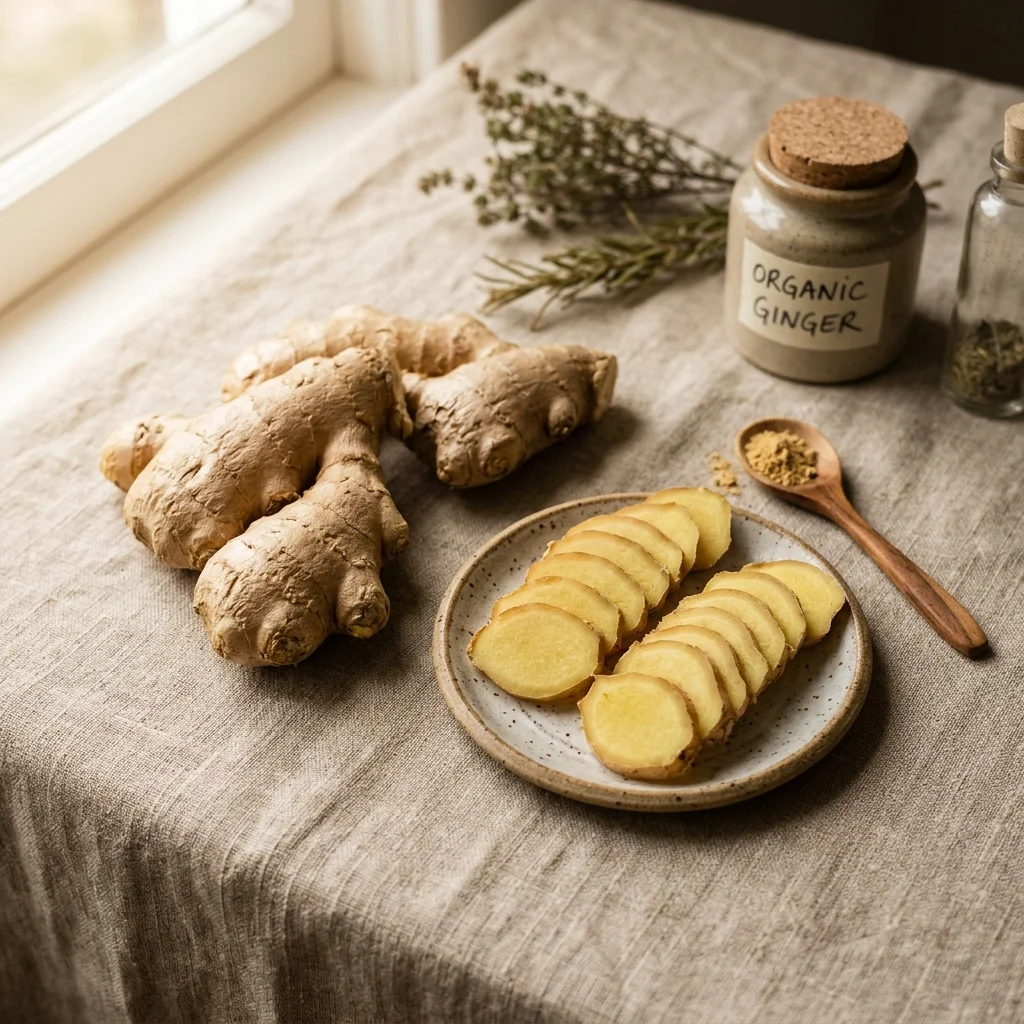
Fresh Ginger Rhizome (Zingiber officinale): Research in the Journal of Ethnopharmacology demonstrates that fresh ginger stimulates mucosal cells to secrete interferon-beta (IFN-β), blocking viral plaque formation. Notably, fresh ginger outperforms dried ginger powder by preserving volatile sesquiterpenes and thermogenic [6]-gingerols. Simmering sliced fresh ginger creates a warming antiviral decoction that clears bronchial passages.
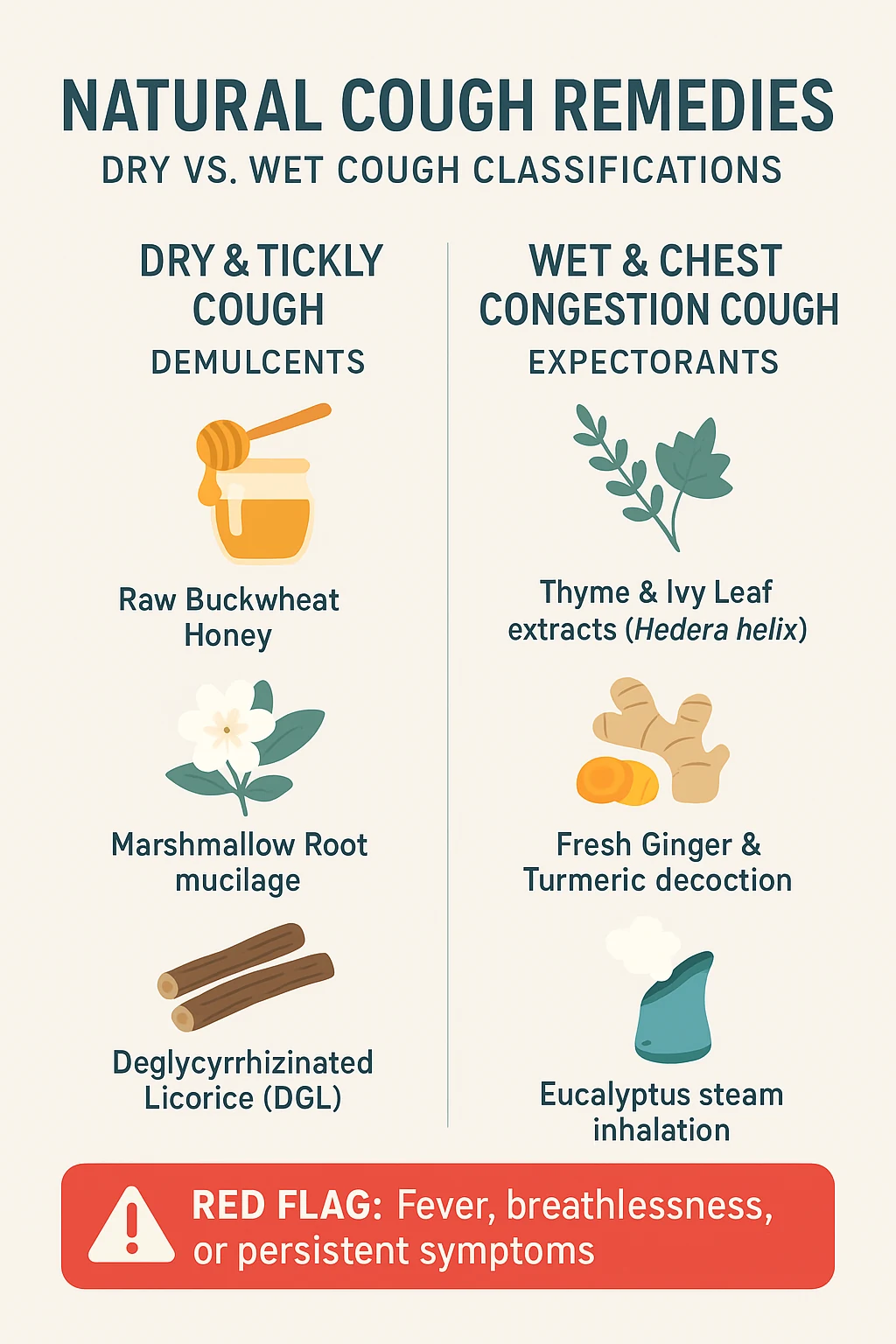
Raw Medicinal Honey: The WHO and AAP officially recognize raw honey as an effective natural demulcent. Honey forms a protective coating over sensory nerve endings in the throat, blunting cough reflexes. A comprehensive Cochrane Systematic Review on honey for acute cough in children (PMID: 30537235) found that 1 to 2 teaspoons of honey at bedtime outperforms placebo and matches or exceeds over-the-counter dextromethorphan in relieving cough frequency and improving sleep. For comprehensive strategies on productive versus non-productive airway spasms, explore our evidence-based guide to natural remedies for cough.
Marshmallow Root & Slippery Elm: Rich in branched mucilage polysaccharides, slippery elm (Ulmus rubra) and marshmallow root (Althaea officinalis) expand into a slick gel in warm water, shielding raw pharyngeal tissues from friction and irritation.
For immediate throat comfort and mucosal hydration, traditional organic herbal teas rich in botanical mucilage deliver soothing relief:
Traditional Medicinals Organic Throat Coat Herbal Tea
Expertly formulated organic medicinal tea featuring wild-crafted slippery elm bark, marshmallow root, and sweet licorice. High mucilage content coats raw vocal cords and pharyngeal tissues, soothing coughs and winter scratchiness.
- Certified Organic and Non-GMO Verified pharmacopoeial-grade herbs
- Naturally sweet, silky demulcent texture coats raw throats without added sugar
- Naturally caffeine-free; sip warm throughout the day and before sleep
Nasal Saline Irrigation & Air Humidity: Physical Pathogen Clearance
Beyond nutritional supplementation, mechanical airway hygiene accelerates recovery. Respiratory viral infections cause nasal secretions to become thick and viscous, stalling the cilia line that sweeps pathogens away.
Gentle nasal saline irrigation (with an isotonic rinse bottle or neti pot) flushes pooled viral particles out of the nasal vault, washes away inflammatory cytokines (such as IL-8), and restores ciliary beat frequency. Safety Rule: Always prepare rinses with distilled, sterile, or boiled and cooled water—never untreated tap water.
Additionally, maintain indoor relative humidity between 40% and 55% with a cool-mist humidifier. If cough symptoms linger without pyrexia long after viral clearance, review our differential diagnosis for dry cough without fever to rule out post-viral vagal neuropathy or cough-variant asthma.
Master Comparison Guide: Evidence-Based Natural Cold & Flu Interventions
This clinical reference table summarizes the evidence levels, biological mechanisms, optimal timing, and dosages for evidence-based natural upper respiratory therapies:
| Intervention | Active Compound | Primary Mechanism | Timing | Dosage | Precautions |
|---|---|---|---|---|---|
| Black Elderberry | Anthocyanins | Inhibits hemagglutinin; halts viral cell entry | First 24–48 hrs | 600–900 mg extract 3x daily | Never consume raw berries |
| Ionic Zinc Lozenges | Free Zn²⁺ ions | Blocks rhinovirus cleavage & ICAM-1 docking | At first tickle | 13–18 mg lozenge every 2–3 hrs | Avoid citric acid chelators; max 100 mg/day |
| Vitamin C + Quercetin | Ascorbic acid & bioflavonoids | Leukocyte chemotaxis; zinc ionophore action | Throughout acute phase | 1,000 mg Vit C + 250 mg Quercetin 2x daily | Divide doses to avoid GI upset |
| Fresh Ginger Root | [6]-gingerol | Stimulates mucosal IFN-β; warms airways | Early & peak days | 2–3 cups fresh sliced decoction daily | Caution with blood thinners |
| Raw Medicinal Honey | Defensin-1 | Coats mucosal receptors; blunts cough reflex | Bedtime & spasms | 1–2 tsp plain or in warm tea | Contraindicated in infants <12 months |
| Nasal Saline Rinse | Isotonic NaCl | Flushes virions & restores ciliary flow | Morning & night | 1 rinse per nostril 1–2x daily | Sterile or distilled water only |
Critical Red Flags: When to Seek Immediate Emergency Medical Attention
While most viral colds and mild influenza cases resolve safely with rest, hydration, and natural therapies, respiratory pathogens can occasionally trigger complications. Seek immediate emergency evaluation if you notice:
- Respiratory Distress: Marked shortness of breath, rapid breathing (>24 breaths/min), or oxygen saturation below 95%.
- The “Double Sickening” Pattern: A sudden return of high fever and pleuritic chest pain after initial improvement, signaling secondary bacterial pneumonia.
- Persistent High Fever: Temperature over 103°F (39.4°C) unresponsive to fever reducers, or fever lasting beyond 4 days.
- Neurological Warning Signs: Confusion, disorientation, profound lethargy, or extreme unsteadiness.
- Airway Compromise: Inability to swallow fluids, drooling, or an audible harsh stridor.
- High-Risk Individuals: Infants under 3 months, pregnant women, and immunocompromised individuals should consult a physician early.
Related Clinical & Respiratory Guides
- Cough Relief Strategies: Natural Remedies for Cough: Evidence-Based Relief for Dry and Wet Coughs
- Persistent Cough Without Fever: Dry Cough Without Fever: Causes, Diagnostics & Natural Treatments
- Immune & Allergy Root Causes: The True Cause of Allergies: Immune Dysfunction & Histamine Overload
- Long-Term Airway Health: Asthma Management Guide: Symptoms, Triggers & Respiratory Support
- Nutritional Immunity: Which Vitamins Are You Missing? Top Deficiency Signs & Natural Remedies
Frequently Asked Questions (FAQ)
Can natural remedies cure a cold or flu?
Natural botanical compounds and minerals do not eradicate an active viral infection instantly, but they significantly impair viral replication and entry. Elderberry anthocyanins block viral hemagglutinin and ionic zinc halts replication enzymes, enabling your immune system to clear the pathogen 2 to 4 days faster.
Why shouldn’t I take antibiotics for a cold or the flu?
Antibiotics specifically disrupt bacterial cell wall synthesis or bacterial ribosomes. Because colds and flu are caused by viral pathogens lacking these bacterial targets, antibiotics provide zero therapeutic benefit while destroying your gut microbiome and promoting antibiotic resistance.
When is the best time to start natural treatments?
Timing is decisive. Interventions like elderberry, zinc lozenges, and fresh ginger must be initiated within the first 24 to 48 hours of symptom onset—at the very first scratchy throat tickle or chill. After 48 hours, viral viral load has already peaked, reducing the duration-shortening impact.
Is sweating out a cold in a gym or hot sauna helpful?
Gentle warmth from herbal tea or a warm bath provides relaxation and eases congestion. However, heavy cardiovascular exercise or intense sauna sessions place excessive metabolic demands on an already taxed cardiovascular and immune system, raising dehydration risks. Complete rest is critical.
Why is raw honey contraindicated for infants under one year?
Raw honey can contain dormant endospores of Clostridium botulinum. In children older than one year and adults, mature intestinal flora and stomach acidity neutralize these spores. In infants under 12 months, spores can germinate and release neurotoxins, resulting in potentially fatal infant botulism.