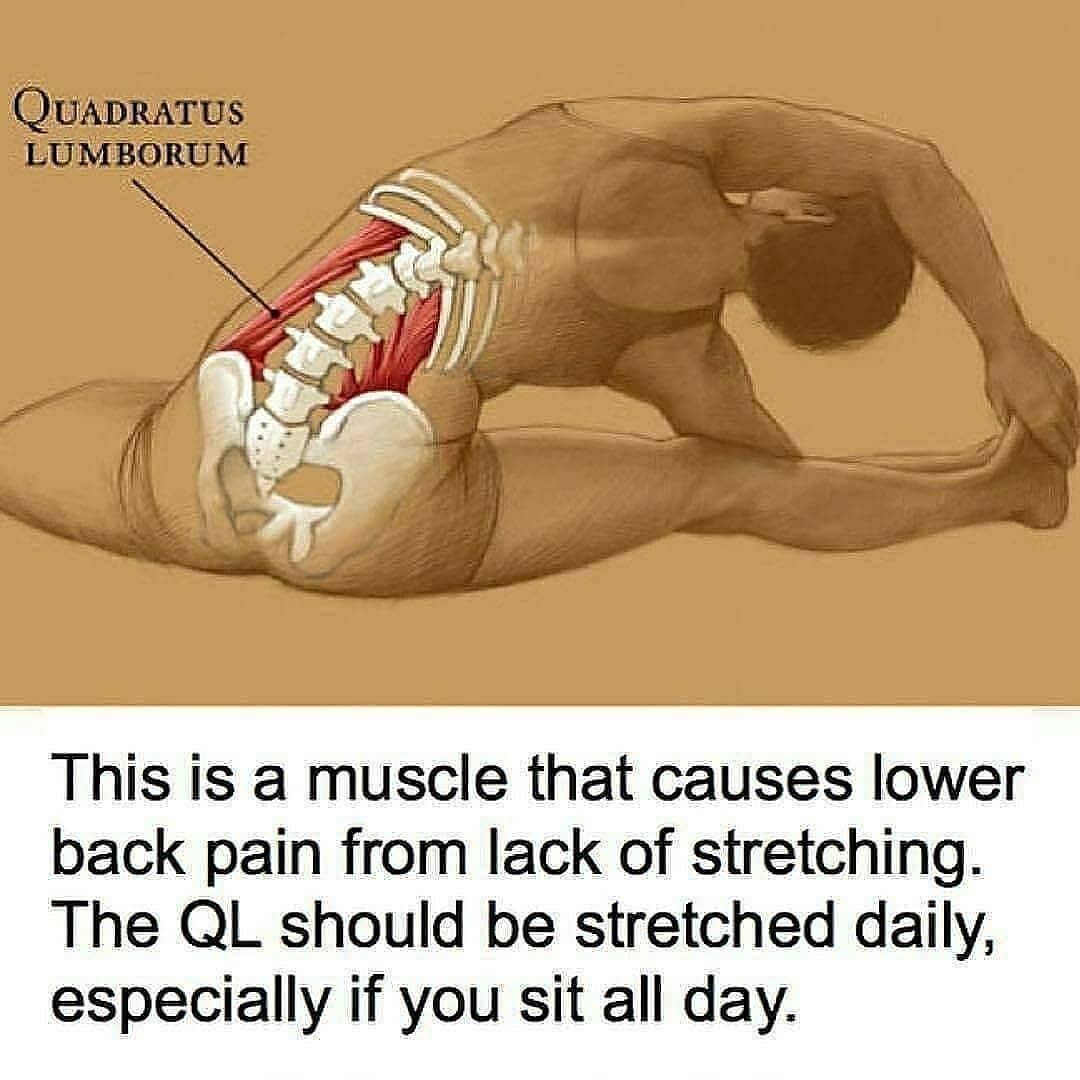
Lower back pain is one of the most common complaints in modern life—especially for people who sit for long hours. One often overlooked cause of this discomfort is tightness in the quadratus lumborum (QL) muscle.
If you’ve been struggling with stubborn lower back tension that just won’t go away, learning how to unlock your QL muscles could be the missing piece.
What Is the QL Muscle and Why Does It Matter?
The quadratus lumborum (QL) is a deep muscle located in your lower back. It connects your spine to your pelvis and plays a key role in:
- Stabilizing your spine
- Supporting posture
- Assisting side bending movements
When this muscle becomes tight or overworked, it can lead to chronic lower back pain, stiffness, and limited mobility.
Signs Your QL Muscle Is Tight
You may have QL tension if you experience:
- Persistent lower back pain on one side
- Pain when bending sideways
- Discomfort after sitting for long periods
- Tightness in the hips or pelvis
Recognizing these signs early can help you take action before the pain worsens.
How to Unlock Your QL Muscles Naturally – QL Muscle Pain Relief
1. Side Stretch (QL Stretch)
One of the most effective ways to relieve QL tension is through gentle side stretching.
How to do it:
- Stand or sit upright
- Raise one arm overhead
- Lean gently to the opposite side
- Hold for 20–30 seconds
Repeat on both sides daily.
2. Child’s Pose with Side Reach
This yoga-based movement targets deep back muscles, including the QL.
Steps:
- Start in child’s pose
- Walk your hands to one side
- Feel the stretch along your lower back
- Hold for 30 seconds
3. Foam Rolling or Massage Ball
Self-myofascial release can help loosen tight QL muscles.
- Place a massage ball near your lower back (side area)
- Lean gently against a wall
- Apply light pressure and breathe deeply
4. Improve Posture
Poor posture is one of the biggest contributors to QL tightness.
Quick tips:
- Keep your spine neutral when sitting
- Avoid slouching
- Take breaks every 30–60 minutes
5. Strengthen Supporting Muscles
Weak core and glutes force the QL to overcompensate.
Focus on:
- Core exercises (planks, dead bugs)
- Glute strengthening (bridges, squats)
Daily Habits to Prevent QL Tightness
To avoid recurring lower back pain:
- Stretch daily (especially if you sit a lot)
- Stay active throughout the day
- Maintain a healthy body weight
- Use ergonomic chairs and desks
Consistency is key—small daily habits make a big difference.
When to Seek Professional Help
If your pain is severe, persistent, or radiates down your leg, it’s important to consult a healthcare professional. While QL tightness is common, it’s not the only cause of lower back pain.
Conclusion
Unlocking your QL muscles can provide powerful relief from stubborn lower back tension. By combining stretching, strengthening, and better posture, you can reduce pain and improve mobility naturally.
With regular practice, you’ll not only feel better—but also prevent future discomfort.