Can Cholesterol Be Managed Naturally?
High cholesterol is one of the most common health concerns worldwide and a major risk factor for heart disease and stroke. While prescription medications are often used, many people are turning toward natural remedies for cholesterol control to support heart health in a more holistic way.
Unlocking nature’s healing power means using evidence-based lifestyle habits, plant-based foods, and natural compounds that help balance cholesterol levels while improving overall well-being. When practiced consistently, these strategies can complement medical treatment or support individuals with mildly elevated cholesterol.
This article explores natural remedies, dietary changes, and lifestyle strategies that can help maintain healthy cholesterol levels safely and sustainably.
Understanding Cholesterol: The Basics
Cholesterol is a fat-like substance produced by the liver and obtained from food. It plays an essential role in hormone production and cell structure, but imbalances can be harmful.
Types of Cholesterol
- LDL (Low-Density Lipoprotein): Often called “bad” cholesterol; high levels can clog arteries
- HDL (High-Density Lipoprotein): Known as “good” cholesterol; helps remove excess cholesterol
- Triglycerides: Another type of fat linked to cardiovascular risk
Natural remedies aim to lower LDL, raise HDL, and support overall cardiovascular health.
Dietary Remedies for Natural Cholesterol Control
1. Increase Soluble Fiber Intake
Soluble fiber binds to cholesterol in the digestive system and helps remove it from the body.
Top sources include:
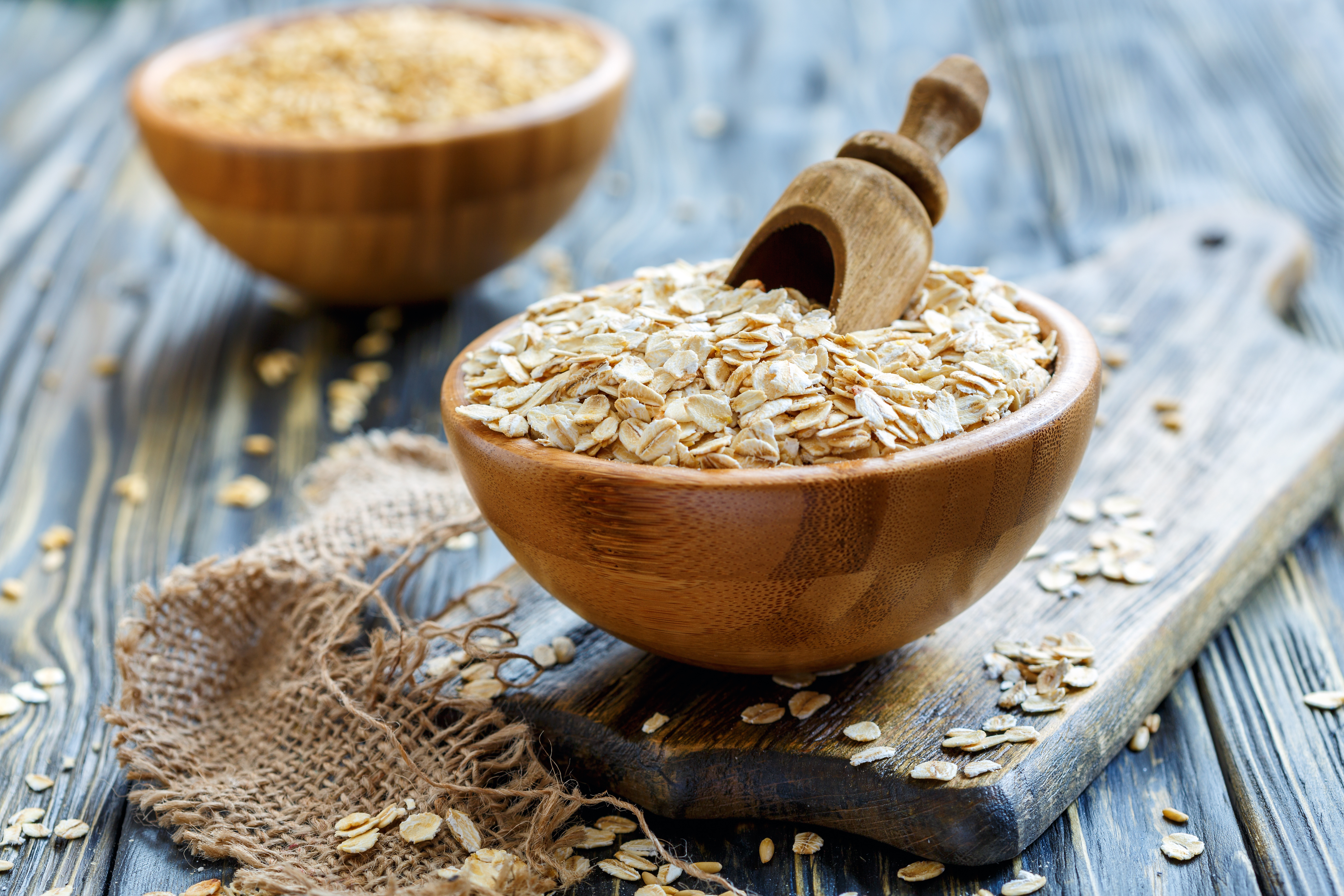
- Oats and oat bran
- Beans and lentils
- Apples, pears, and citrus fruits
- Psyllium husk
Consuming soluble fiber daily can significantly reduce LDL cholesterol levels over time.
2. Choose Healthy Fats Over Saturated Fats
Not all fats are harmful. Replacing saturated fats with unsaturated fats supports healthier cholesterol levels.
Heart-healthy fats include:
- Olive oil
- Avocados
- Nuts and seeds
- Fatty fish
Reducing processed foods and fried items is equally important.
3. Embrace Plant Sterols and Stanols
Plant sterols and stanols naturally block cholesterol absorption in the intestines.
Found in:
- Whole grains
- Nuts and seeds
- Vegetables
- Fortified foods
Regular consumption may reduce LDL cholesterol by up to 10%.
Herbal and Natural Remedies for Cholesterol Control
1. Garlic
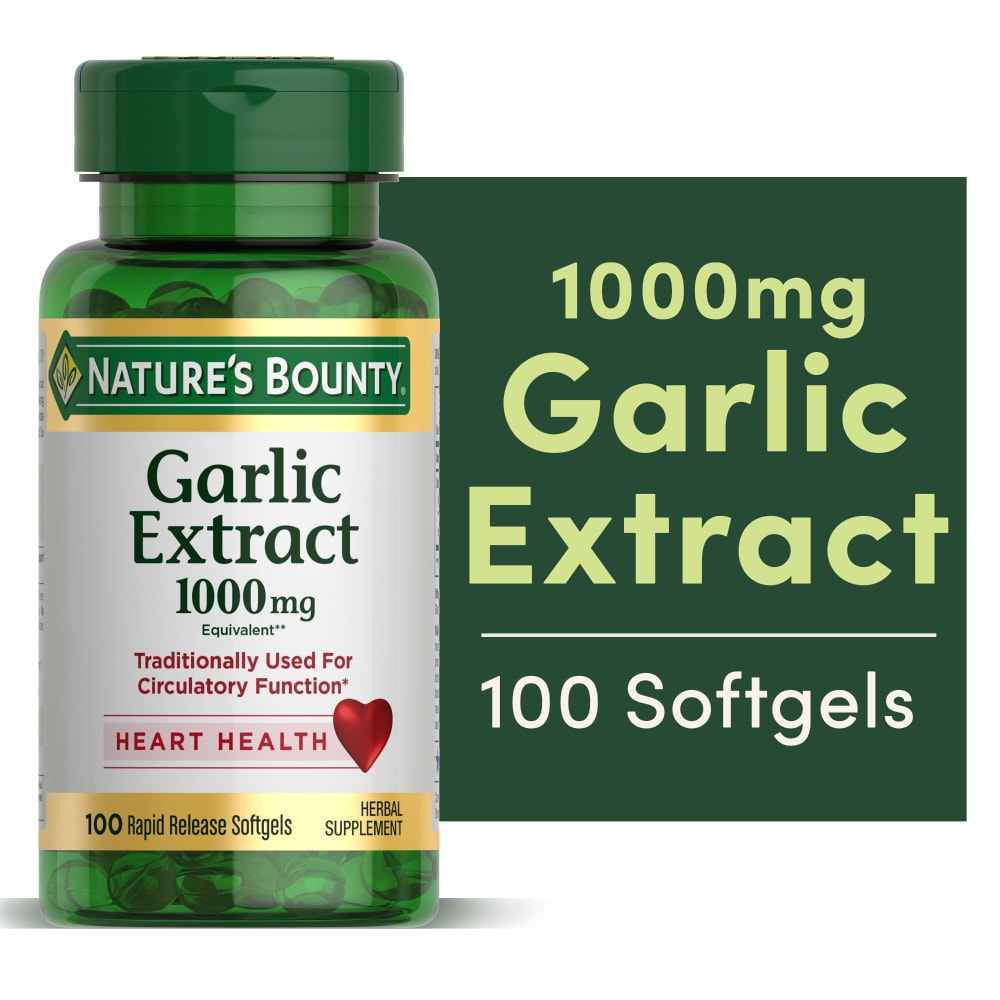
Garlic has been widely studied for its heart-protective effects. It may help lower total cholesterol and LDL when consumed regularly.
Best forms:
- Fresh raw garlic
- Aged garlic extract
Consistency is key for noticeable benefits.

2. Green Tea
Green tea is rich in antioxidants known as catechins, which may help reduce cholesterol absorption and improve artery health.
Drinking 2–3 cups daily can contribute to modest cholesterol improvements.
3. Turmeric (Curcumin)
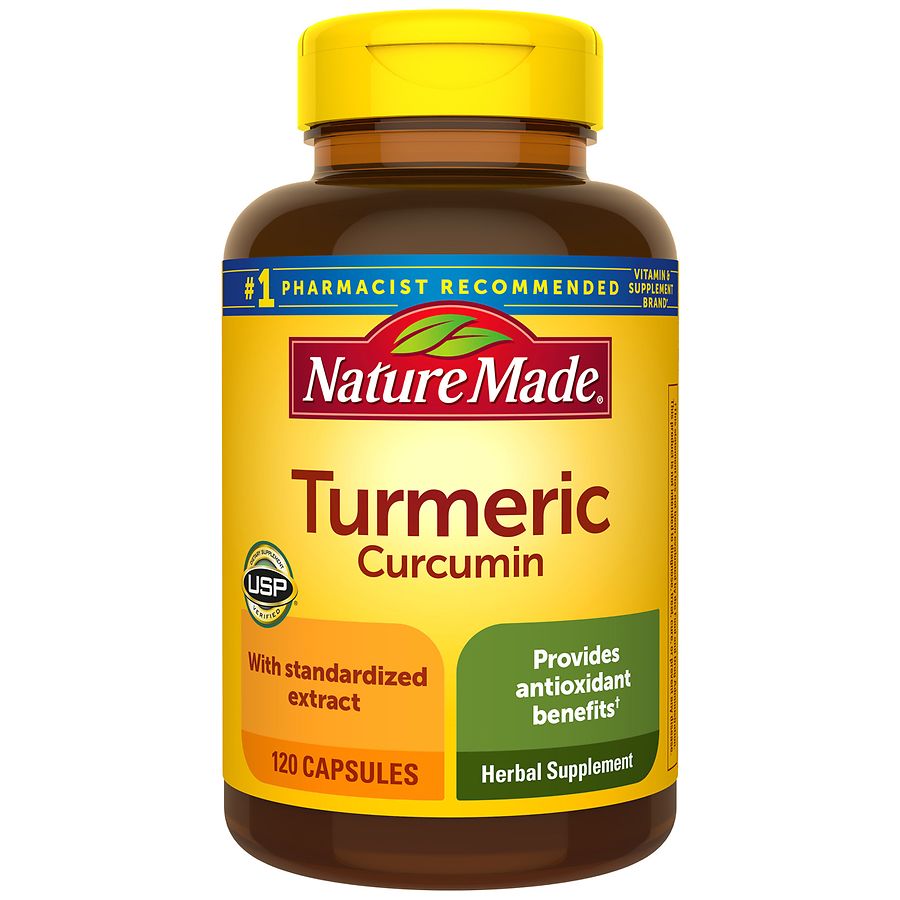
Curcumin, the active compound in turmeric, has anti-inflammatory and antioxidant properties that support cardiovascular health.
Turmeric may help:
- Reduce LDL oxidation
- Improve blood vessel function
Absorption improves when combined with black pepper.
4. Flaxseeds
Flaxseeds are rich in omega-3 fatty acids and soluble fiber.
Benefits include:
- Lower LDL cholesterol
- Reduced inflammation
- Improved gut health
Ground flaxseeds are more easily absorbed than whole seeds.
Lifestyle Habits That Naturally Improve Cholesterol

1. Regular Physical Activity
Exercise raises HDL cholesterol and lowers LDL and triglycerides.
Recommended activities:
- Brisk walking
- Cycling
- Swimming
- Strength training
Aim for at least 150 minutes per week of moderate activity.
2. Weight Management
Even modest weight loss (5–10%) can significantly improve cholesterol levels and overall heart health.
3. Stress Reduction
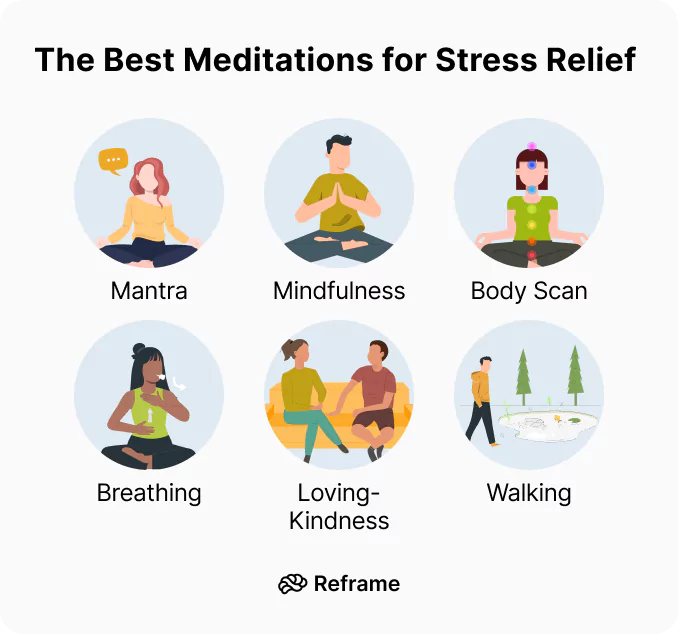
Chronic stress may negatively affect cholesterol metabolism.
Helpful techniques include:
- Meditation
- Deep breathing
- Yoga
- Time in nature
Reducing stress supports both heart and mental health.

4. Quality Sleep
Poor sleep is linked to higher LDL and triglyceride levels. Establishing a consistent sleep routine improves metabolic balance.
Natural Remedies vs. Medication
Natural remedies are not a replacement for prescribed medication in all cases. According to American Heart Association, lifestyle changes are the foundation of cholesterol management, whether or not medication is required.
Many individuals achieve the best results through a combined approach:
- Medical guidance
- Dietary changes
- Regular exercise
- Stress management
Always consult a healthcare provider before stopping or changing medication.
Who Benefits Most from Natural Cholesterol Remedies?
Natural approaches are especially helpful for:
- Individuals with mildly elevated cholesterol
- Those with a family history of heart disease
- People seeking preventive heart health strategies
Consistency and long-term commitment are essential for success.
Frequently Asked Questions (FAQs)
1. How long do natural cholesterol remedies take to work?
Most dietary and lifestyle changes show results within 6–12 weeks.
2. Can cholesterol be controlled without medication?
In mild cases, yes. Moderate to severe cases often require medication alongside natural strategies.
3. Are supplements necessary?
Not always. Whole foods are preferred, but supplements may help when deficiencies exist.
4. Does exercise alone lower cholesterol?
Exercise significantly helps but works best when combined with dietary changes.
5. Are eggs bad for cholesterol?
For most people, moderate egg consumption does not significantly raise cholesterol levels.
6. Is cholesterol control a lifelong effort?
Yes. Cholesterol management requires ongoing lifestyle awareness.
Conclusion: Harnessing Nature for Heart Health
Unlocking nature’s healing power offers a safe, effective, and sustainable way to support healthy cholesterol levels. Through mindful eating, natural remedies, regular movement, and stress reduction, individuals can take control of their heart health naturally.
While natural remedies are not a cure, they play a powerful role in prevention and long-term cardiovascular wellness—helping the body heal and thrive from within.