
Tea is one of the most widely consumed beverages on Earth, enjoyed for thousands of years across cultures and continents. Beyond its comforting aroma and soothing taste, tea is packed with natural compounds that support overall health and well-being. From green tea to black tea and herbal varieties, this ancient drink offers impressive benefits backed by modern science.
In this comprehensive guide, we’ll explore 8 health benefits of tea, explain how it supports the body and mind, and show why adding tea to your daily routine is a smart and simple wellness habit.
What Makes Tea So Healthy?
Tea is made from the leaves of the Camellia sinensis plant or from herbs, flowers, and roots in the case of herbal teas. It contains powerful antioxidants, polyphenols, flavonoids, and natural compounds like caffeine and L-theanine that work together to protect and nourish the body.
Unlike sugary drinks or artificial beverages, tea is low in calories and free from harmful additives, making it a clean and natural choice for daily hydration.
1. Rich in Antioxidants
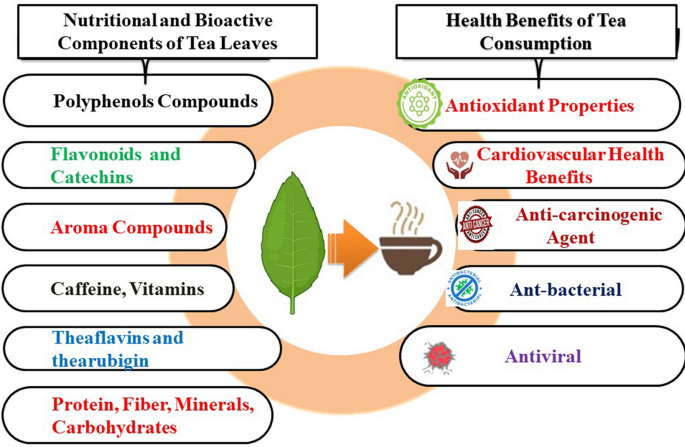
One of the most important health benefits of tea is its high antioxidant content. Antioxidants help protect your cells from damage caused by free radicals, which are unstable molecules linked to aging and chronic disease.
Tea contains polyphenols such as catechins and flavonoids that:
- Reduce oxidative stress
- Support cellular repair
- Slow signs of premature aging
Green tea, in particular, is known for epigallocatechin gallate (EGCG), one of the most powerful antioxidants found in food.
2. Supports Heart Health
Drinking tea regularly has been associated with a lower risk of heart disease. Studies suggest that tea helps improve cholesterol levels and supports healthy blood vessels.
Key heart-related benefits include:
- Lower LDL (bad) cholesterol
- Improved blood flow
- Reduced blood pressure
- Decreased risk of stroke
Black and green teas are especially beneficial for cardiovascular health when consumed without excess sugar.
3. Boosts Brain Function and Focus

Tea contains a unique combination of caffeine and L-theanine, which work together to improve mental performance. Unlike coffee, tea provides a calm and steady energy boost without jitters.
Benefits for the brain include:
- Improved concentration
- Better memory retention
- Enhanced alertness
- Reduced mental fatigue
L-theanine also promotes relaxation, helping you stay focused while feeling calm and balanced.

4. Aids Digestion and Gut Health
Many types of tea support healthy digestion and soothe the gastrointestinal system. Herbal teas like ginger, peppermint, and chamomile are particularly helpful after meals.
Tea can help:
- Reduce bloating and gas
- Improve nutrient absorption
- Calm stomach discomfort
- Support healthy gut bacteria
Warm tea also stimulates digestive enzymes, making it easier for the body to process food.
5. Strengthens the Immune System

Another major reason to enjoy tea daily is its immune-boosting properties. Tea contains antibacterial and antiviral compounds that help the body fight infections.
Immune benefits of tea include:
- Increased production of immune cells
- Reduced inflammation
- Protection against common colds and flu
- Faster recovery from illness
Herbal teas like echinacea, turmeric, and green tea are especially known for supporting immune defense.
6. Helps with Weight Management
Tea can be a helpful addition to a healthy weight management plan. Certain teas support metabolism and fat oxidation while reducing cravings.
How tea supports weight control:
- Boosts metabolic rate
- Encourages fat burning
- Helps regulate blood sugar
- Replaces high-calorie drinks
Green tea and oolong tea are often linked to improved calorie burning when combined with balanced nutrition and exercise.
7. Promotes Relaxation and Reduces Stress

Tea isn’t just energizing—it can also be deeply calming. Herbal teas such as chamomile, lavender, and lemon balm are well-known for their stress-relieving effects.
Relaxation benefits include:
- Lower cortisol (stress hormone) levels
- Improved mood
- Reduced anxiety
- Better sleep quality
Even non-herbal teas can promote calmness due to L-theanine, making tea an ideal beverage for both day and night.
8. Supports Longevity and Overall Wellness
Regular tea consumption has been linked to a lower risk of chronic diseases and a longer, healthier life. Populations that drink tea daily often show better overall health outcomes.
Long-term wellness benefits:
- Reduced risk of diabetes
- Lower inflammation
- Improved bone health
- Slower cognitive decline
By supporting multiple body systems at once, tea acts as a simple yet powerful wellness tool.
Types of Tea and Their Key Benefits
| Type of Tea | Main Benefits |
|---|---|
| Green Tea | Antioxidants, metabolism, brain health |
| Black Tea | Heart health, energy, digestion |
| White Tea | Anti-aging, skin health |
| Oolong Tea | Weight management, metabolism |
| Herbal Tea | Relaxation, immunity, digestion |
Frequently Asked Questions (FAQs)
1. How many cups of tea should I drink per day?
Most experts recommend 2–4 cups per day for optimal health benefits without overdoing caffeine.
2. Is tea better than coffee?
Tea offers a gentler energy boost and contains calming compounds, making it a better option for many people.
3. Can tea help with sleep?
Yes, caffeine-free herbal teas like chamomile and valerian root can improve sleep quality.
4. Does tea hydrate the body?
Absolutely. Tea contributes to daily fluid intake and hydrates effectively.
5. Is it okay to drink tea on an empty stomach?
Some people may experience mild discomfort. Herbal teas are usually gentler on an empty stomach.
6. Can tea reduce inflammation?
Yes, many teas contain anti-inflammatory compounds that help reduce chronic inflammation.
Why Tea Deserves a Place in Your Daily Routine
The 8 health benefits of tea show why this ancient beverage continues to be a modern wellness favorite. From protecting your heart and brain to supporting digestion, immunity, and relaxation, tea offers a wide range of benefits in every cup.
Simple, affordable, and enjoyable, tea is one of the easiest ways to support long-term health naturally. Whether you prefer green, black, or herbal varieties, making tea a daily habit is a small change that can deliver powerful results.