Quick Medical Summary: Chronically dry, itchy skin (clinically termed xerosis cutis) is not just a lack of topical water—it is a biological failure of the stratum corneum lipid barrier. When the delicate matrix of ceramides, cholesterol, and fatty acids breaks down, water rapidly evaporates via Transepidermal Water Loss (TEWL). Scented lotions often worsen irritation because synthetic fragrances penetrate micro-fissures, inflaming cutaneous sensory nerve fibers. Lasting relief requires a three-part protocol: bathing in lukewarm water under 10 minutes, using colloidal oatmeal to block inflammatory cytokines, and executing the 3-minute “soak-and-seal” rule with lipid-rich barrier creams.
Few everyday physical sensations are as maddening as the relentless, prickling urge to scratch dry, tight skin. For millions of people, seasonal shifts bring an unwelcome cycle: skin looks chalky, feels like sandpaper, and stings whenever ordinary lotions are applied. The reflexive reaction is usually the same—scratching until the skin turns raw or turning up shower heat to numb the nerve endings. Unfortunately, these habits strip away remaining protective oils and accelerate moisture loss.
In dermatology, dry skin is termed xerosis cutis, and the intense urge to scratch is known as pruritus. Rather than a minor cosmetic issue, medical science recognizes the skin as a dynamic immune shield designed to keep hydration inside while blocking environmental allergens and microbes. Restoring this barrier requires moving beyond fragrant lotions toward evidence-based dermatological habits that replenish cellular lipids and calm hyperactive sensory nerves.
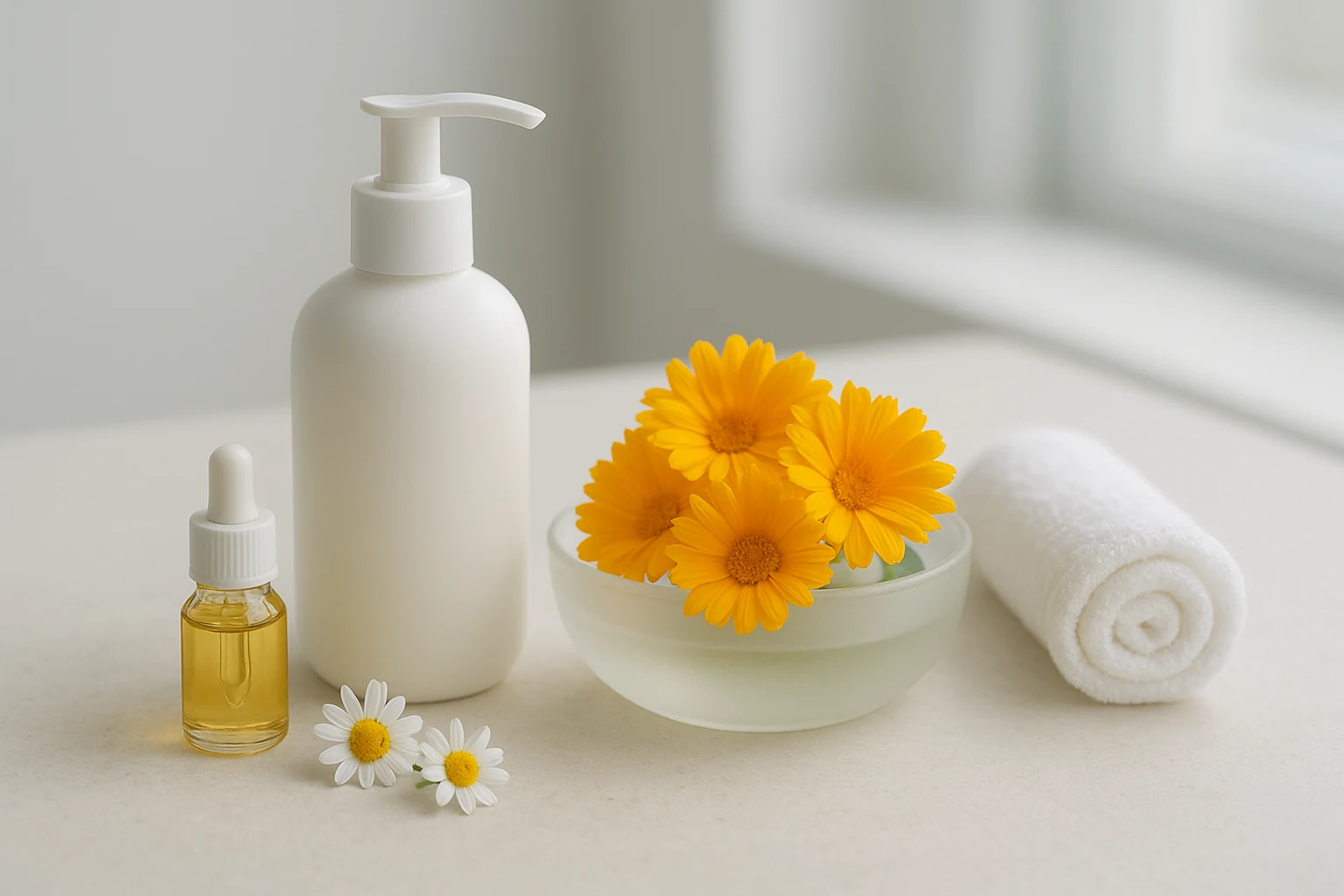
The Anatomy of Xerosis Cutis: Why the Skin Barrier Crumbles
To understand why skin becomes dry and irritable, we must examine the outermost epidermal layer: the stratum corneum. Dermatologists describe this structure using the classic “brick and mortar” model. Landmark research by Dr. Peter Elias in The Journal of Investigative Dermatology (PubMed PMID: 12553852) established that a precise equimolar ratio of ceramides, cholesterol, and free fatty acids is mandatory to organize lamellar lipid sheets that prevent lethal transepidermal water loss (TEWL). Flattened, protein-rich skin cells called corneocytes serve as the bricks, while a specialized lipid matrix acts as the mortar holding them together.
In healthy skin, this lipid mortar consists of a balanced ratio: roughly 50% ceramides, 25% cholesterol, and 15% free fatty acids. Inside the corneocytes sits a collection of water-soluble compounds called Natural Moisturizing Factor (NMF), composed of amino acids, urea, and lactates. NMF acts as an internal sponge, binding water molecules to keep skin supple and elastic.
Transepidermal Water Loss (TEWL) and the Itch-Scratch Cycle
The primary driver of xerosis is Transepidermal Water Loss (TEWL). When indoor heating or dry winter winds drive ambient humidity below 40%, water inside the epidermis evaporates rapidly into the air. Corneocytes dehydrate and shrink, creating microscopic fissures across the skin surface.
As these cracks form, unmyelinated sensory nerve fibers (C-fibers) become exposed. Damaged skin cells release inflammatory messengers, including interleukin-31 (IL-31) and Substance P, which stimulate C-fibers to fire itch signals directly to the brain. Scratching tears off remaining cells and disrupts desmosomes, provoking further cytokine release and allowing bacteria like Staphylococcus aureus to colonize the area. This fuels the vicious itch-scratch cycle.
The 3 Pillars of Topical Hydration: Humectants, Emollients & Occlusives
Navigating skincare options becomes straightforward once you understand that every effective moisturizer balances three distinct functional categories: humectants, emollients, and occlusives.
| Class | Biological Function | Key Examples | Clinical Rule |
|---|---|---|---|
| Humectants | Attract water molecules into the stratum corneum | Glycerin, Hyaluronic Acid, Urea | Must be applied to damp skin; seal with an emollient in dry air |
| Emollients | Fill micro-cracks between flaking corneocytes | Ceramides, Squalane, Colloidal Oatmeal | Restores skin flexibility and prevents mechanical tearing |
| Occlusives | Form a physical hydrophobic seal against TEWL | Jojoba wax esters, Shea butter, Petrolatum | Locks in prior hydration; prevents nocturnal evaporation |
A common mistake is applying pure humectants (like concentrated hyaluronic acid) in dry rooms without an occlusive layer over them. In dry air, humectants pull water upward from the deeper dermis, which promptly evaporates, leaving the skin tighter than before. Layering an emollient cream or occlusive oil on top ensures lasting moisture retention.
Aveeno Soothing Bath Treatment with 100% Natural Colloidal Oatmeal
Clinically Proven Anti-Pruritic Bath Soak for Itchy, Irritated, Xerotic Skin
Engineered with 100% natural colloidal oatmeal, this fragrance-free therapeutic soak disperses evenly in warm bathwater to coat irritated skin in a soothing avenanthramide shield. It rapidly interrupts the itch-scratch cycle, normalizes epidermal pH, and calms body flaking without stinging raw patches.
Evidence-Based Natural Remedies That Soothe Itching Instantly
While hydrocortisone provides temporary relief during severe allergic flares (explore the underlying immune causes of allergies), ongoing barrier maintenance relies on biocompatible botanicals that supply physiological lipids without thinning the skin.
1. Colloidal Oatmeal (Avena sativa): The FDA Gold Standard
Colloidal oatmeal is whole oat grain ground into an ultra-fine, micronized powder that suspends evenly in bathwater. It is officially recognized by the US FDA as a Category I skin protectant. Its anti-pruritic power comes from specialized polyphenols called avenanthramides. Clinical investigations published in The Journal of Drugs in Dermatology (PubMed PMID: 25607907) confirm that avenanthramides inhibit Nuclear Factor-kappa B (NF-κB) activation, reducing inflammatory cytokines (TNF-alpha and IL-8) that fuel the burning itch sensation. In addition, its rich beta-glucan content forms a protective hydrophilic film over exposed nerve endings.
2. Cold-Pressed Jojoba Oil vs. Culinary Oils
Many turn to kitchen oils like olive or coconut oil for dry patches, but dermatological studies caution against this. Topical olive oil is high in oleic acid, which dissolves intercellular lipid bilayers and elevates TEWL. Pure cold-pressed jojoba oil, however, is a liquid wax ester chemically identical to human sebum. It integrates into damaged lipid channels without clogging pores, delivering natural Vitamin E tocopherols to soothe chapped skin.
3. Organic Calendula & Matricaria Chamomile
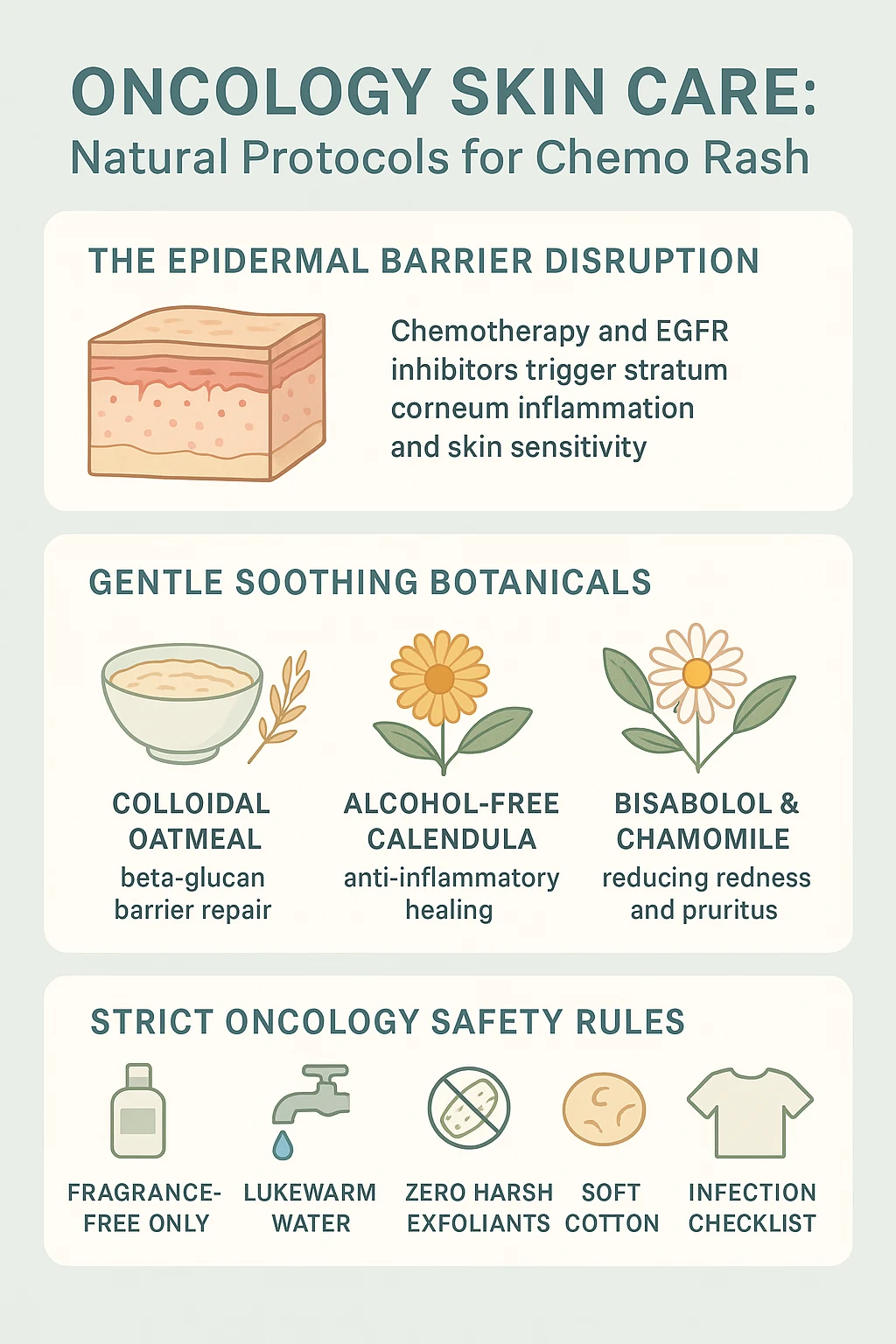
Calendula (Calendula officinalis) supplies triterpenoids like faradiol monoesters that accelerate wound repair on micro-cracked skin. German chamomile (Matricaria chamomilla) delivers alpha-bisabolol and chamazulene, which soothe histamine-mediated flare-ups and calm sensory nerve hyper-reactivity.
4. Raw Honey & Pure Aloe Vera Gel
For painful, bleeding fissures on knuckles or heels, medical-grade raw honey provides osmotic humectancy while natural glucose oxidase activity releases trace hydrogen peroxide to prevent bacterial colonization. Inner-leaf aloe vera supplies acemannan polysaccharides that cool burning sensations on contact.

CeraVe Moisturizing Cream with 3 Essential Ceramides & MVE Delivery
Intensive Barrier Repair Formulation with Ceramides 1, 3, 6-II and Hyaluronic Acid
Developed with dermatologists, this rich, non-greasy cream replenishes the stratum corneum with bio-identical ceramides 1, 3, and 6-II plus hyaluronic acid. Its patented MVE technology delivers continuous 24-hour hydration to halt transepidermal water loss and repair persistent flaking.
The Clinical “Soak-and-Seal” Bathing Protocol: The 3-Minute Rule
For those with dry skin, the daily shower is often where the most damage occurs. Hot water and harsh soaps strip remaining protective lipids. Following the dermatological “Soak-and-Seal” protocol transforms bathing into a restorative barrier treatment.
Step 1: Keep Water Lukewarm (Under 100°F / 38°C)
Hot water melts away natural ceramides and cholesterol. Keep water comfortably lukewarm (around 98°F to 100°F). If bathroom mirrors fog heavily, your shower is too hot for a compromised skin barrier.
Step 2: Limit Duration to Under 10 Minutes
While a brief soak hydrates corneocytes, soaking past 10 minutes leads to tissue over-hydration, leaching out water-soluble Natural Moisturizing Factors and leaving skin drier once you dry off.
Step 3: Use Soap-Free, Neutral-pH Syndet Cleansers
Traditional bar soaps have an alkaline pH of 9.0 to 10.0, disrupting the acidic mantle (pH 4.7 to 5.5) and impairing ceramide synthesis. Use fragrance-free syndet bars balanced to pH 5.5, concentrating on odor-prone areas rather than scrubbing every dry limb.
Step 4: The 180-Second “Soak-and-Seal” Window
Never scrub your body dry with a towel; friction shears delicate corneocytes. Instead, gently pat the skin with a soft towel, leaving a dewy sheen of moisture. Within 3 minutes (180 seconds), apply a rich ceramide cream or botanical oil over your entire body. Applying moisturizer to damp skin traps hydration inside cellular bricks before atmospheric evaporation can take place.
Cliganic 100% Pure Organic Cold-Pressed Jojoba Oil
Non-Comedogenic Liquid Wax Esters That Mimic Natural Human Sebum
Unlike heavy culinary oils that disrupt barrier lipids, cold-pressed jojoba oil is composed of long-chain wax esters structurally similar to healthy human sebum. It integrates into micro-cracks on the skin surface, sealing in cellular moisture post-bath while delivering antioxidant Vitamin E.
Internal Hydration & Environmental Defense: Fortifying From Within
Topical therapy must be paired with dietary support and environmental safeguards to ensure long-term skin health.
1. Essential Fatty Acids: Omega-3 EPA/DHA and GLA
Keratinocytes require dietary polyunsaturated fatty acids to manufacture resilient membranes. Marine Omega-3 fatty acids (EPA and DHA) from salmon, sardines, or algae oil dampen inflammatory leukotriene pathways. Additionally, Gamma-Linolenic Acid (GLA) from cold-pressed evening primrose or borage oil supports endogenous ceramide 1 synthesis, significantly reducing baseline TEWL.
2. Indoor Climate Control: The 50% Humidity Rule
Central winter heating can drop indoor relative humidity below 20%, drying out skin overnight. Placing a cool-mist humidifier in the bedroom to maintain humidity between 45% and 55% prevents nocturnal moisture evaporation and aids cellular repair during sleep.
3. Wardrobe Fabrics and Detergents
Synthetic fibers like polyester and rough wool have microscopic fibers that mechanically irritate cutaneous nerve endings. Opt for soft, breathable 100% combed cotton, bamboo viscose, or silk. Always use fragrance-free, dye-free laundry detergents, and run an extra rinse cycle to remove soap residues from clothing fibers.
Red Flags: When Dry Skin Signals Something More Serious
While most dry skin represents common winter xerosis, certain symptoms require professional evaluation:
- Nummular Eczema: Distinct, coin-shaped oozing or scaly plaques that resist basic moisturizers and need targeted medical therapies.
- Secondary Cellulitis: Expanding redness, skin warmth, noticeable swelling, or honey-colored weeping crusts indicating a bacterial breach.
- Severe Pruritus Without Visible Rash: Persistent full-body itching on normal-looking skin may signal internal conditions like hypothyroidism (diminished sebum output), chronic renal disease (uremic pruritus), cholestatic liver disorders, or iron deficiency anemia.
If skin itching fails to improve after two weeks of consistent “soak-and-seal” care, or if it disrupts your sleep, consult a board-certified dermatologist for a comprehensive evaluation.
Dermatological Guide: Comparing Popular Natural Oils & Butters
The biochemical profile of a plant oil determines whether it fortifies your stratum corneum or compromises barrier lipids. Use this summary to choose the right options for your routine.
| Botanical Oil / Butter | Primary Fatty Acid | Comedogenic Rating | Barrier Impact | Best Use Case |
|---|---|---|---|---|
| Jojoba Oil | Wax esters (Eicosenoic) | 2 (Very Low) | Biomimetic to natural human sebum; non-comedogenic barrier seal | Post-bath damp skin seal for body and face |
| Colloidal Oatmeal | Avenanthramides & beta-glucans | 0 (Non-comedogenic) | Potent anti-inflammatory; downregulates TNF-alpha and calms burning | Therapeutic soaking baths for whole-body itch |
| Shea Butter | Stearic & Oleic acids | 0-1 (Low) | Forms an intensive physical barrier over deep fissures | Severe cracks on heels, elbows, and hands |
| Sunflower Seed Oil | Linoleic acid (>60%) | 0 (Non-comedogenic) | Stimulates natural ceramide synthesis; restores lipid bilayers | Lightweight body oil for sensitive, dry skin |
| Olive Oil (Culinary) | Oleic acid (>75%) | 2 (Moderate) | Disrupts barrier: Loosens intercellular lipids and increases TEWL | Not recommended for xerotic or atopic skin |
Related Clinical & Dermatological Guides
- What is Eczema? Causes, Common Types, Triggers & Natural Barrier Relief
- Naturally Clear Skin: The Science of Acne, Gut-Skin Axis & Proven Home Remedies
- Athlete’s Foot (Tinea Pedis): Antifungal Science & Proven Home Remedies
- The Dirty 30: Toxic Beauty Ingredients to Avoid for Cleaner, Safer Skin
- The True Cause of Allergies: Immune Dysfunction, Histamine & Natural Relief
Frequently Asked Questions (FAQ)
Why does dry skin itch more intensely at night?
Nocturnal pruritus is driven by circadian rhythms. At night, skin temperature and TEWL increase while anti-inflammatory cortisol drops. Without daytime distractions, sensory nerve signals to the brain feel significantly magnified.
Can drinking extra water cure dry skin on its own?
Drinking extra water supports cellular function, but cannot resolve xerosis cutis if your lipid barrier is damaged. Without a functional ceramide-cholesterol mortar, moisture rapidly evaporates into the air. Topical lipid repair is essential to trap hydration.
Is it safe to take a colloidal oatmeal bath every day?
Yes. Pure colloidal oatmeal is a gentle, hypoallergenic skin protectant. Daily colloidal oatmeal baths are safe during severe itch flare-ups, provided water is kept strictly lukewarm and soaking time does not exceed 10 to 15 minutes. Always follow with a ceramide cream within 3 minutes of exiting.
Why do scented lotions sting dry skin?
When the stratum corneum is intact, synthetic fragrances and alcohol preservatives cannot penetrate deep epidermal layers. On dry skin, however, microscopic cracks allow these volatile chemicals to reach exposed sensory nerve endings directly, triggering burning, stinging, and immediate histamine release.
What is the key difference between eczema and simple dry skin?
Simple xerosis cutis is primarily physical barrier dehydration from cold air or harsh cleansers that quickly resolves once moisture is replenished. Eczema (atopic dermatitis) is an immune-mediated inflammatory skin condition involving filaggrin gene mutations, chronic barrier dysfunction, and intense recurrent rash plaques that often require medical therapies.