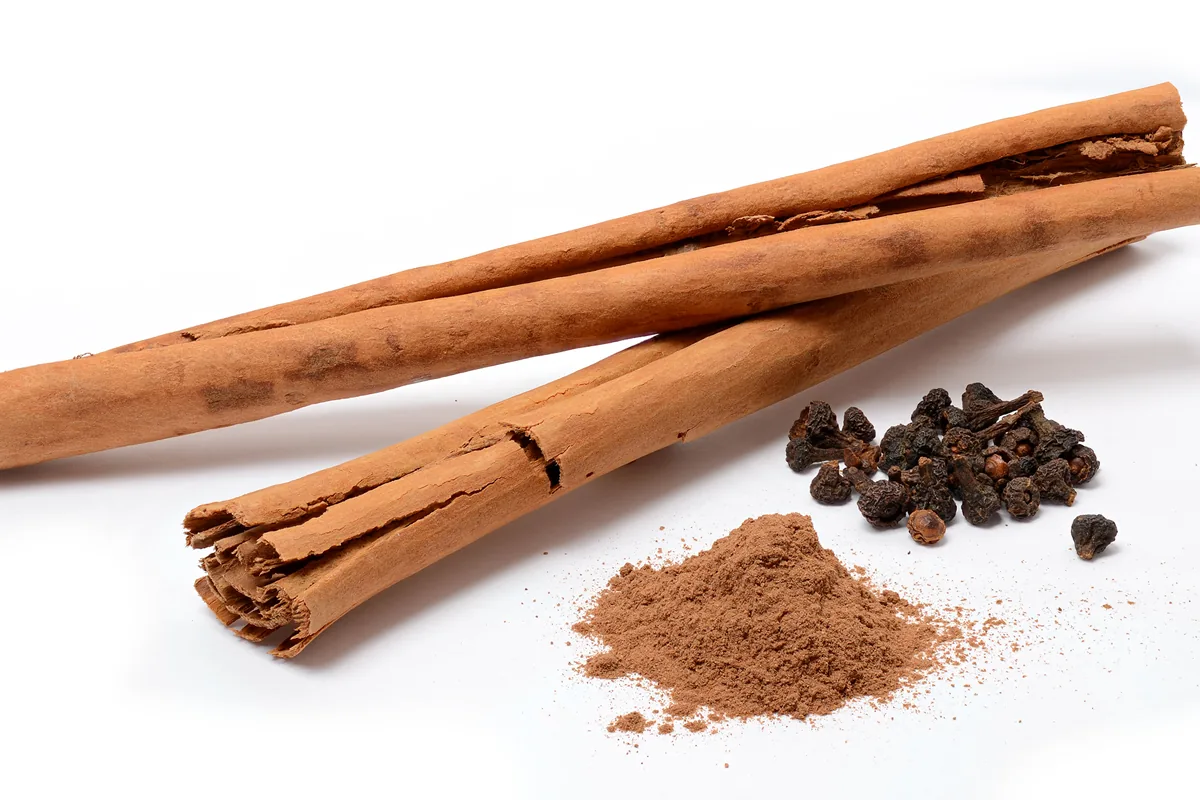
The Coumarin Safety Verdict
Why the Type of Cinnamon Matters: 90% of supermarket cinnamon is Cassia cinnamon, which contains up to 1% naturally occurring coumarin—a plant compound documented by the European Food Safety Authority (EFSA) to cause hepatotoxicity (liver damage) when consumed in daily therapeutic amounts. If you take cinnamon daily for blood sugar regulation, insulin sensitivity, or weight management, you must use Ceylon “True” Cinnamon (Cinnamomum verum), which contains up to 250 times less coumarin (virtually undetectable traces).
In This Cinnamon Guide:
Visual & Physical Identification: How to Spot the Difference
When buying whole cinnamon sticks, identifying authentic Ceylon cinnamon is remarkably easy once you know what to look for:
- Ceylon Cinnamon (Cinnamomum verum / “True Cinnamon”): Originates primarily from Sri Lanka. The bark is harvested from thin inner layers and rolled into multiple soft, paper-thin spiral layers (resembling a tight cigar). It is crumbly, pale tan in color, and possesses a delicate, sweet, citrus-floral aroma. You can easily crush a quill with your fingers.
- Cassia Cinnamon (Cinnamomum cassia / Chinese/Indonesian): Harvested from thick outer tree bark. It forms a single, hollow, rigid curl that is extremely hard and cannot be broken by hand. It has a dark reddish-brown hue and an intense, pungent, spicy-hot flavor profile familiar in commercial baked pastries.
Ceylon vs Cassia Direct Comparison Table
| Botanical Feature | Ceylon Cinnamon (Cinnamomum verum) | Cassia Cinnamon (Cinnamomum cassia) |
|---|---|---|
| Origin & Common Name | Sri Lanka (“True Cinnamon”) | China, Indonesia, Vietnam |
| Coumarin Content | 0.004% (Trace / Safe for daily use) | Up to 1.0% (Toxic in daily doses) |
| Bark Structure | Multi-layered, thin, flaky, soft | Thick, hard, hollow single quill |
| Flavor Profile | Subtle, sweet, warm, citrusy | Pungent, strong, spicy-hot |
Insulin Sensitivity & Glucose Management Mechanisms
Both cinnamon varieties contain cinnamaldehyde and water-soluble polymeric polyphenols that mimic insulin. Research indicates these compounds activate insulin receptors on cell surfaces while inhibiting the enzyme protein tyrosine phosphatase 1B, enhancing cellular glucose uptake.
Furthermore, consuming cinnamon alongside carbohydrate meals slows gastric emptying, blunting postprandial blood sugar spikes by up to 24%. However, because blood sugar management requires daily, consistent consumption (typically 1 to 2 grams daily for several months), using Cassia cinnamon exposes the liver to unacceptable coumarin accumulation, whereas Ceylon cinnamon provides identical metabolic benefits without hepatotoxic risks.
The Coumarin Threshold: Safe Daily Tolerable Intake (TDI)
The European Food Safety Authority (EFSA) established a Tolerable Daily Intake (TDI) for coumarin of 0.1 mg per kilogram of body weight:
- For an adult weighing 150 lbs (68 kg), the safe daily coumarin limit is approximately 6.8 mg.
- Just one teaspoon (2.6 grams) of high-coumarin Cassia cinnamon can contain 7 to 20 mg of coumarin—dramatically exceeding safe toxicological thresholds.
- Conversely, you would have to consume dozens of tablespoons of Ceylon cinnamon to reach that threshold.
Best Daily Protocol: How to Consume Ceylon Cinnamon
Incorporate authentic Ceylon cinnamon powder into your routine with these practical habits:
- Morning Coffee or Oats: Stir 1/2 to 1 teaspoon (1.5g to 3g) of organic Ceylon cinnamon into warm oatmeal, Greek yogurt, or morning coffee grounds before brewing.
- Ceylon Cinnamon Tea: Simmer a cracked Ceylon quill in 1.5 cups of water for 10 minutes. The resulting liquor is naturally sweet and soothing without requiring any sugar.
- Always Verify Botanical Labels: When shopping for ground cinnamon, look explicitly for “Ceylon Cinnamon” or the botanical name Cinnamomum verum (or Cinnamomum zeylanicum) on the ingredient panel. If it simply states “Cinnamon”, it is almost certainly inexpensive Cassia.
Explore more nutritional protocols for metabolic health in our comprehensive guide on important facts about high blood sugar prevention, and discover the complementary benefits of raw apple cider vinegar for daily wellness.
Frequently Asked Questions
Is Cassia cinnamon dangerous for occasional baking?
No. Occasional consumption in cinnamon rolls, pies, or holiday baking is completely safe for healthy individuals. Coumarin toxicity is a concern only with chronic, daily therapeutic consumption over weeks or months.
How can I tell if pre-ground cinnamon is Ceylon or Cassia?
In powder form, Ceylon cinnamon is noticeably lighter in color (a sandy tan/buff shade) and has a mild, perfumed aroma. Cassia is dark reddish-brown with a sharp, pungent kick. Checking the botanical name on the package is the most reliable method.
Can Ceylon cinnamon replace diabetic medication?
No. While Ceylon cinnamon is a wonderful evidence-based nutritional adjunct that supports insulin sensitivity, it is not a replacement for prescribed insulin, metformin, or medical guidance.